

What Is Secondary Glazing and How Does It Compare to Double Glazing?
When it comes to improving energy efficiency, reducing noise, and enhancing security, homeowners have several glazing options to choose from. While double glazing is widely known, secondary glazing is an alternative that offers unique benefits—especially for period properties and listed buildings where replacing windows isn’t always an option. Understanding the differences between secondary glazing and double glazing can help homeowners make an informed decision about the best solution for their needs.
What Is Secondary Glazing?
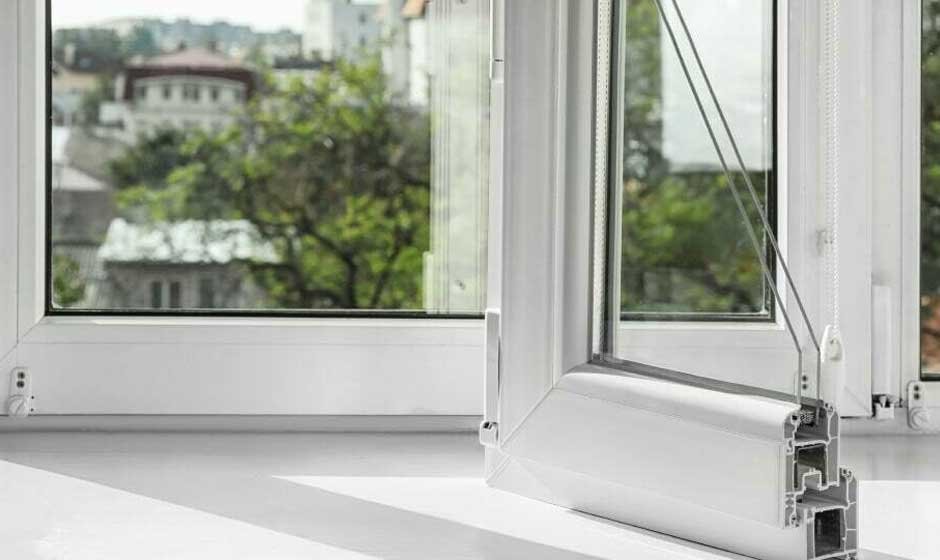
Secondary glazing involves installing a discreet, independent glass panel on the inside of an existing window. Unlike double glazing, which consists of two glass panes sealed within a single unit, secondary glazing acts as an additional layer without replacing the original window. This makes it a practical solution for homeowners who want better insulation and noise reduction without altering the appearance of their windows.
The Key Benefits of Secondary Glazing
Many homeowners choose secondary glazing as an effective way to improve window performance without undergoing a full replacement. Some of its key benefits include:
- Improved Thermal Efficiency – Secondary glazing creates an insulating air gap that helps reduce heat loss, keeping homes warmer in winter and cooler in summer.
- Better Noise Reduction – Adding a second pane of glass can significantly cut down on outside noise, making it ideal for homes in busy urban areas or near main roads.
- Enhanced Security – Secondary glazing adds an extra barrier against break-ins, making windows more secure without affecting their existing design.
- Preserving Historic Windows – Many period properties and listed buildings are restricted from replacing original windows, making secondary glazing the best solution for upgrading insulation without altering the building’s character.
Secondary Glazing vs. Double Glazing: What’s the Difference?
While both options improve insulation and noise reduction, there are key differences between secondary and double glazing:
- Installation Process – Double glazing involves removing and replacing the entire window, while secondary glazing is an internal addition that leaves the existing windows untouched.
- Cost – Secondary glazing is often more affordable since it doesn’t require full window replacement, making it a cost-effective alternative for homeowners on a budget.
- Aesthetic Impact – Double glazing changes the appearance of a property, whereas secondary glazing is a discreet solution that retains the original window design.
- Energy Efficiency – Double glazing generally provides better overall insulation, but secondary glazing still offers significant energy savings, particularly for homes with single-glazed windows.
Is Secondary Glazing the Right Choice for You?
Choosing between secondary glazing and double glazing depends on your specific needs, budget, and property type. If you live in a listed building, want to maintain the original aesthetics of your windows, or need a budget-friendly solution to improve insulation, secondary glazing could be the perfect option. On the other hand, if you’re looking for maximum energy efficiency and long-term durability, investing in double glazing might be the better choice.
For a more detailed breakdown of the differences and benefits of secondary glazing, check out this helpful guide on how secondary glazing works.
Conclusion
Secondary glazing is an excellent alternative to double glazing, offering improved insulation, noise reduction, and security while preserving the character of existing windows. Whether you own a period property or simply want to enhance your home’s energy efficiency without replacing your windows, secondary glazing provides a practical and cost-effective solution. Understanding its advantages and how it compares to double glazing can help homeowners make the best decision for their needs.

![How to Make Your Home Office Comfortable in Any Season [Image Source] Working from home has become the new normal for many people. Whether it’s full-time or just a few days each week, a lot of us have turned spare bedrooms, garages, or corners of the living room into offices. While setting up a work-from-home space is easy in theory, making it a place you actually want to spend time in takes a little more thought. Comfort goes beyond a desk and a chair. It’s about lighting, temperature, air quality, and the overall feel of the space. When the room is too hot in the summer or freezing in the winter, it’s hard to stay focused. The wrong setup can leave you distracted, tired, and less productive. In this article, you’ll learn how to create a home office that feels comfortable no matter the season. These tips don’t require a complete renovation or a huge budget. They’re practical changes you can make now to upgrade your space and feel better throughout your workday. Choose the Right Heating and Cooling Setup Temperature plays a big role in how comfortable your office feels. If you’ve ever worked in a room that doesn’t stay warm in the winter or cool in the summer, you know how distracting that can be. A small change in temperature can affect your mood, focus, and even how your body feels after sitting for hours. Some home offices are in places that weren’t originally meant for year-round use—like finished basements, sunrooms, or attic spaces. These rooms often don’t get enough airflow from your home’s main heating and cooling system. That leads to hot spots in summer and cold zones in winter, which can make working from home feel like a chore. One way to handle this is by installing ductless mini-split systems. These allow you to control the climate in just one room without relying on your main HVAC system. They’re energy-efficient, easy to install in finished or unfinished spaces, and perfect for areas where running new ductwork isn't ideal. With a mini-split system, you can heat or cool your office independently from the rest of the house. That means you won’t waste energy adjusting the entire home just to stay comfortable during work hours. If you like your office cooler than the rest of the house—or if you’re using a room that’s always too hot—this gives you full control. These systems are also quiet, which helps if you're on video calls or need to concentrate without background noise. Instead of noisy window units or floor heaters, you get clean, steady temperature control without the hum or rattle. When your office stays at the right temperature all day, you’re more likely to stay focused, feel better, and get more done. Maximize Natural Light and Supplement Wisely Natural light can help you feel more alert and focused throughout the day. If possible, place your desk near a window. Morning sunlight boosts mood and energy, and exposure to natural light during the day can support better sleep at night. That said, natural light isn't always available—cloudy days, early mornings, or late evenings can make your office feel dim. Supplement with good-quality LED lighting. A desk lamp with adjustable brightness can help reduce eye strain. You can also add soft overhead lights for a balanced look that isn’t too harsh. Layering your lighting makes the space feel more comfortable. Combine ambient lighting with focused task lighting to create the right balance between visibility and relaxation. Use Smart Window Coverings Your windows play a big part in how well your office stays warm in the winter and cool in the summer. The right window coverings help block out heat during hot months and hold in warmth during colder ones. Blackout curtains or thermal blinds are a great choice for year-round comfort. In summer, they help keep the room from overheating during the day. In winter, they act as an extra barrier between your office and the cold air outside. Light-filtering shades are another option if you want to keep things bright while still reducing glare and heat. These coverings help manage indoor temperature without making the room feel closed off or dark. Add Functional Comfort Items Comfort doesn’t stop at temperature. The furniture and accessories you choose also affect how your body feels after hours at your desk. Start with your chair. It should support your back, allow your feet to rest flat on the floor, and adjust to your height. You don’t need a luxury brand—just something that helps you sit comfortably for long periods. A footrest can also help you relax your legs and improve posture. Placing a soft rug under your desk adds warmth and padding, which helps in both cold and hot seasons. Think about wrist support, desk height, and screen position. Small accessories like a keyboard tray or monitor stand can help reduce strain on your neck and shoulders. The goal is to stay comfortable without feeling stiff or sore by the end of the day. Improve Air Quality and Humidity Control Air quality plays a huge role in comfort and health. If your home office feels stuffy or stale, you might need to improve air circulation. A small air purifier can help reduce dust, pet dander, or allergens, especially useful in closed-off spaces. In winter, the air tends to get dry, which can cause dry skin, throat irritation, or even static shocks. A humidifier adds moisture to the air and helps you breathe better. In summer, excess humidity can make the room feel sticky and uncomfortable. In that case, a dehumidifier helps keep things in balance. Clean air and proper humidity levels support better focus and overall well-being, which makes your workday more productive. Keep Distractions Low with Sound Control Noise distractions can break your concentration fast. If your home office is near a busy street, a loud TV, or shared walls, you might need to block out sound. Start by adding soft materials like rugs, curtains, or fabric wall panels. These help absorb sound and reduce echo. You can also use a white noise machine or a fan to mask background noise during meetings or focus sessions. For windows and doors, add draft blockers or weather stripping to limit sound coming from outside. If you use video calls often, having a quiet space helps you speak and hear more clearly. A comfortable home office helps you work better through every season. With the right setup, you can stay focused and feel good during long hours at your desk. From smart heating and cooling to better lighting and air, small changes go a long way. Create a space that supports your goals—one that works for you all year.](https://lucykingdom.com/wp-content/uploads/2025/05/How-to-Make-Your-Home-Office-Comfortable-in-Any-Season-600x357.jpg)