



Nursing Home Safety Checklist: How to Keep Your Grandparent Safe
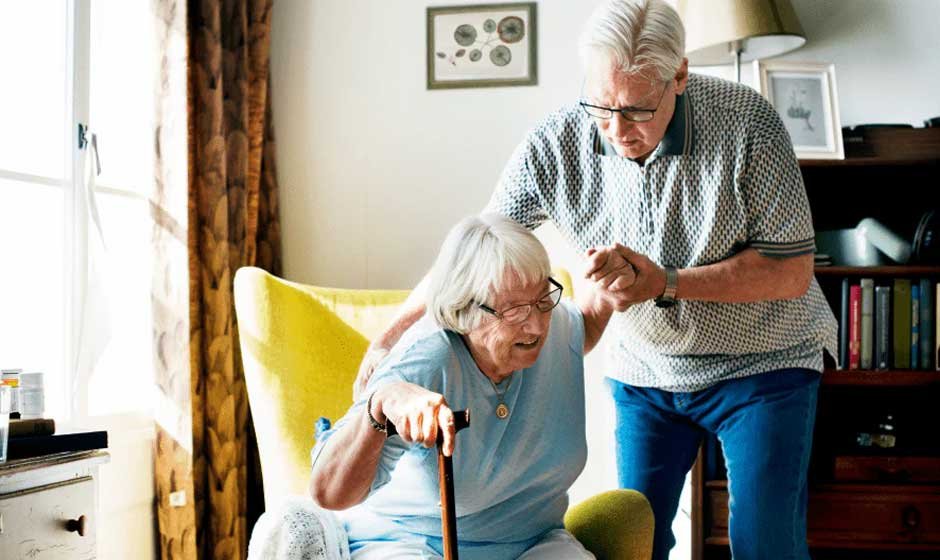
Placing a loved one in a nursing home is one of the hardest decisions a family faces. You trust the facility to provide compassionate, professional care, but unfortunately, that trust is sometimes misplaced. By staying vigilant when it comes to things like knowing how to spot bedsores and using a proactive safety plan, you can significantly reduce the risk of injury and neglect.
Why the Nursing Home Safety Checklist is Needed
A nursing home safety checklist isn’t just a guide; it’s your primary defense mechanism against potential neglect. Facilities often operate under demanding conditions, and relying solely on staff to catch every issue is risky. As an informed family member, you are your grandparent’s best advocate. Using a systematic checklist during your visits helps you:
- Ensure Proper Care: Verify that basic needs, such as hygiene, nutrition, and mobility assistance, are consistently met.
- Identify Red Flags Early: Spot subtle signs of nursing home neglect or poor conditions before they lead to serious harm.
- Maintain Accountability: Documenting your observations provides a record that can be used to hold the facility responsible for lapses in care.
Your checklist should focus on three main areas: the resident’s well-being, the facility’s environment, and the staff’s interactions.
Your Quick Safety Checklist During Visits
Use these checkpoints during every visit to assess the quality of care and safety:
- Skin Check: Gently examine your loved one’s skin, especially heels, tailbone, and hips, for any unusual redness, warmth, or soreness – all tale-tell signs of bed sores.
- Hydration & Nutrition: Ensure fresh water is within reach and encourage drinking. Note if they are finishing meals.
- Call Light Access: Confirm the call button is working and immediately accessible, even when the resident is lying down.
- Cleanliness: Check for clean bedding, clean clothes, and general room sanitation.
- Staff Interaction: Observe how staff addresses your loved one. Are they respectful, patient, and attentive to their needs?
- Mobility:
Note if assistive devices (walker, wheelchair) are readily available and in good working order.
What Happens When You Ignore Signs of Neglect?
Ignoring even minor signs of neglect allows problems to escalate quickly, turning manageable issues into life-threatening emergencies. Simple oversights in medical care or hygiene can lead to severe, painful, and often preventable health crises.
Clinical and Medical Signs of Neglect in Nursing Homes
- Malnutrition or Dehydration: Significant or rapid unexplained weight loss, cracked lips, dry mouth, sunken eyes, fever, or confusion, signaling insufficient food or fluid intake.
- Infections: Untreated infections such as UTIs (urinary tract infections), which can present as fever or confusion, or severe, persistent skin infections due to poor wound care or hygiene.
- Medication Errors: Symptoms like unusual lethargy, tremors, confusion, or sudden behavioral changes, which may signal that medications are being missed, double-dosed, or incorrectly administered.
- Mobility Decline & Falls: A sudden inability to move or ambulate without assistance, or a pattern of unexplained fractures or head injuries resulting from falls that staff failed to prevent.
- Poor Hygiene Leading to Health Issues: Severe body odor, dental deterioration, matted hair, or unmanaged wound dressings that are saturated, expired, or foul-smelling.
- Pressure Ulcers (Bed Sores): Any skin redness, blistering, or open wounds, particularly on bony areas like the hips, heels, tailbone, or ankles. These indicate a failure to reposition the patient regularly.
One of the clearest indicators of neglect is the development of pressure ulcers, commonly known as bed sores. These injuries are highly preventable.
Dealing with Nursing Home Negligence
If your loved one has been injured due to a facility’s failure to provide proper care, you may be dealing with nursing home negligence. Negligence occurs when a facility or its staff fails to act with the reasonable care expected of them, resulting in harm to a resident. This could involve understaffing, failure to train employees, or ignoring physician’s orders. For a comprehensive understanding of what constitutes negligence and how these cases are handled, please review our nursing home negligence practice area page.
What to Do If You Suspect Neglect
If you suspect your grandparent is being neglected or abused, it’s crucial to act immediately to ensure their safety and preserve your legal rights.
- Ensure Immediate Safety: Address the immediate danger. If the situation is urgent, call 911 or move your loved one to a safer location.
- Document Everything: Take photos of injuries, the room, and any unsafe conditions. Keep a detailed log of dates, times, and conversations with staff.
- Report the Incident: File a report with the facility administrator and your state’s long-term care ombudsman program.
How to Sue a Nursing Home for Neglect
When negligence results in injury or trauma, pursuing legal action may be necessary to seek compensation for medical bills, pain, and suffering. A lawsuit can hold the facility accountable, deter future misconduct, and recover the funds needed to secure better care for your loved one.
For a detailed guide on the legal process, including what to expect and how to sue a nursing home for neglect, please visit our dedicated resource.