


The Dos and Don’ts of Hanging Items on Rental Walls
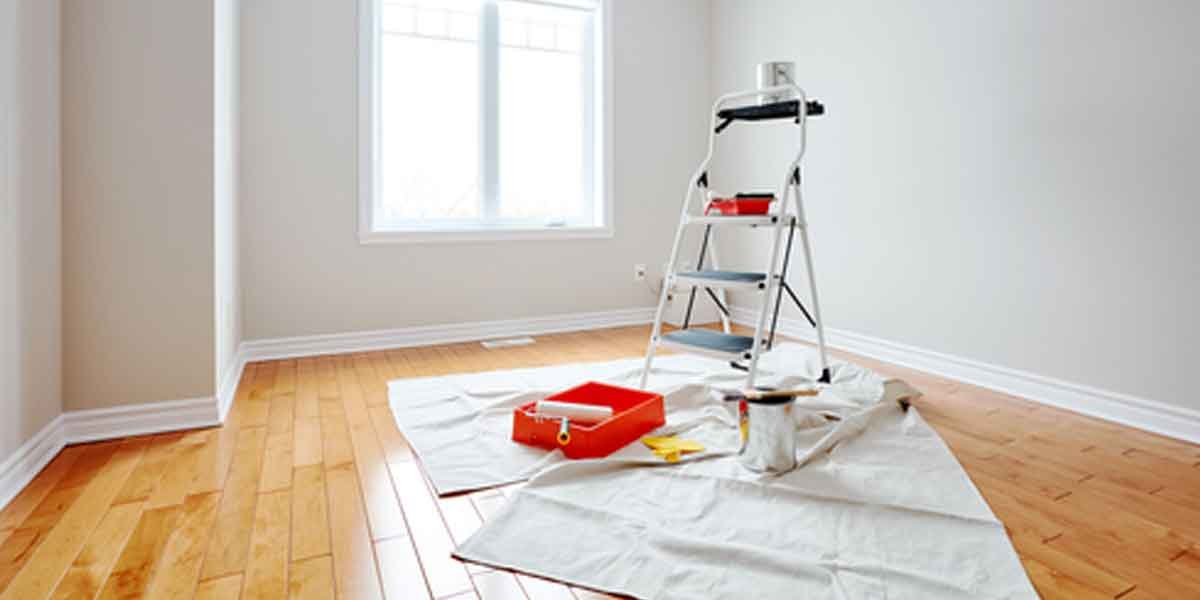
Living in a rental can be tricky, especially when you want to make it feel like home with some nice wall decor.
However, you can show off your style and keep the place in good shape. It’s all about finding that sweet spot where you feel at home, keep your property manager happy, and hold onto your deposit.
This guide is full of handy tips to help you make your space yours without risking your bond. So, keep reading to learn more.
Do: Check Your Lease Agreement
Before you start hammering nails or sticking up posters, take a look at your lease agreement, since landlords often have their own quirky rulebooks about wall modifications.
Some property owners frown upon even the tiniest nail mark, while others are okay with you turning your lounge into an art gallery. If you’re feeling uncertain, a quick chat with your landlord can clarify those grey areas.
But even if your property manager is strict, you still have some clever alternatives. Adhesive hooks and colourful washi tape, for example, can work wonders without leaving telltale marks.
In any case, always get those permissions in writing. It’s a small step that will protect your security deposit and keep your relationship with your landlord smooth.
Don’t: Use Permanent Fixtures
Using nails or screws in rented places isn’t a great idea. Sure, it might feel satisfying in the moment, but these tools can leave marks. So, most landlords aren’t fans of them.
Also, skip adhesives that aren’t designed for rentals. Some strong glues or tapes can peel paint or leave stubborn residue that’s almost impossible to remove.
Even if your walls survive the initial installation, removing these fixtures later often causes paint chips or plaster damage. That’s the kind of mess that can quietly eat into your bond without you even noticing until move-out day.
If you’re worried about marks or smudges when moving out, let the professionals handle it. Experienced after-lease cleaning professionals know exactly how to safely clean walls and remove residue without ruining the paint.
Do: Use Removable Wall Hooks
Want to spruce up your space without risking your deposit? Removable hooks are just what you’re looking for.
Known brands, like 3M’s Command strips and hooks, have revolutionised how tenants personalise their spaces.
These marvellous little solutions handle everything from delicate photo frames to heavy shelving.
You can create a gallery wall, shuffle your decor on a whim, or swap out pieces for a seasonal refresh, all without touching a hammer.
That said, before installing them, wipe your walls clean to make sure the adhesive holds well. Also, follow the instructions carefully. It sounds obvious, but a misstep now can mean a frame crashing to the floor tomorrow.
Don’t: Hang Heavy Items
Putting up big items like large frames or mirrors on rental walls can be a bit risky.
It doesn’t only involve the obvious risk of things falling. Walls can warp and paint can chip over time, especially with plasterboard, which is standard in many Australian rentals.
How about opting for floor stands or standing shelves instead? They’re ideal for bulkier items and keep your walls spotless.
For a personal flair without the fuss, break larger displays into smaller, lighter pieces. A gallery wall of small frames, for example, will show off your personality without putting your walls in danger.
That way, your space will still look amazing, and you won’t be losing sleep over bond deductions.
Do: Consider Temporary Wallpaper or Decals
Sprucing up your rental can be quite easy with temporary wallpaper or decals. These unique options let you make bold and fun statements without damaging your walls.
Better yet, good-quality temporary wallpaper and decals can be peeled off easily, leaving the paint just as it was.
We recommend picking types that are easy to put up and measuring your space before buying anything to make sure it fits perfectly.
Installation is easier than you might think as well. Smooth, dry walls are key, so give them a wipe-down before sticking anything on.
Then, start from the top, work your way down to avoid bubbles, and use a soft squeegee or cloth to smooth everything into place.
Don’t: Ignore Wear and Tear
Just because it’s your home for now doesn’t mean you get a free pass to let the place fall apart.
Living in a rental means balancing respect for the landlord’s property while adding your personal touch. Just follow these easy tips to decorate without causing trouble.
Low-Risk Locations
Think about where you put things. Steer clear of bustling areas, like the hallways. Instead, pop pictures above sofas or beds—they’ll make a lovely focal point for the space and be safe from accidental knocks.
You could also try placing art above the telly or in a cosy corner to create an inviting atmosphere.
In any case, avoid putting items directly over damp spots, near heat sources, or on textured walls that can’t handle sticky products.
Damage Control
To keep your walls scratch-free, add a few felt pads behind frames. You should also check the walls every now and then, especially in bathrooms and kitchens, to catch any issues early.
A quick look for moisture or peeling paint can save you a lot of hassle down the road, especially when it’s time for your inspection.
End-of-Lease Checks
Remember, your walls need to survive your end-of-lease inspection. So, keep a record of the art and posters you added and how you did it.
You should also take photos of how your walls looked when you moved in as proof that you haven’t made permanent alterations.
When it’s time to finally pack up and leave, remove everything carefully and patch any minor marks if necessary.
Overall, being mindful will pay off in the long term. Your space will stay comfy and stylish, and you’ll build a reputation as a considerate tenant, making life easier for the rest of your lease and when you move into other rentals in the future.
Conclusion
Life is too short for boring walls and tiny regrets. So, let your creativity run wild, see what sticks, and don’t be afraid to switch it up tomorrow.
Each little change will add up, and the best part is that you’ll watch your rental transform into a home without a single mark left behind.


![How to Make Your Home Office Comfortable in Any Season [Image Source] Working from home has become the new normal for many people. Whether it’s full-time or just a few days each week, a lot of us have turned spare bedrooms, garages, or corners of the living room into offices. While setting up a work-from-home space is easy in theory, making it a place you actually want to spend time in takes a little more thought. Comfort goes beyond a desk and a chair. It’s about lighting, temperature, air quality, and the overall feel of the space. When the room is too hot in the summer or freezing in the winter, it’s hard to stay focused. The wrong setup can leave you distracted, tired, and less productive. In this article, you’ll learn how to create a home office that feels comfortable no matter the season. These tips don’t require a complete renovation or a huge budget. They’re practical changes you can make now to upgrade your space and feel better throughout your workday. Choose the Right Heating and Cooling Setup Temperature plays a big role in how comfortable your office feels. If you’ve ever worked in a room that doesn’t stay warm in the winter or cool in the summer, you know how distracting that can be. A small change in temperature can affect your mood, focus, and even how your body feels after sitting for hours. Some home offices are in places that weren’t originally meant for year-round use—like finished basements, sunrooms, or attic spaces. These rooms often don’t get enough airflow from your home’s main heating and cooling system. That leads to hot spots in summer and cold zones in winter, which can make working from home feel like a chore. One way to handle this is by installing ductless mini-split systems. These allow you to control the climate in just one room without relying on your main HVAC system. They’re energy-efficient, easy to install in finished or unfinished spaces, and perfect for areas where running new ductwork isn't ideal. With a mini-split system, you can heat or cool your office independently from the rest of the house. That means you won’t waste energy adjusting the entire home just to stay comfortable during work hours. If you like your office cooler than the rest of the house—or if you’re using a room that’s always too hot—this gives you full control. These systems are also quiet, which helps if you're on video calls or need to concentrate without background noise. Instead of noisy window units or floor heaters, you get clean, steady temperature control without the hum or rattle. When your office stays at the right temperature all day, you’re more likely to stay focused, feel better, and get more done. Maximize Natural Light and Supplement Wisely Natural light can help you feel more alert and focused throughout the day. If possible, place your desk near a window. Morning sunlight boosts mood and energy, and exposure to natural light during the day can support better sleep at night. That said, natural light isn't always available—cloudy days, early mornings, or late evenings can make your office feel dim. Supplement with good-quality LED lighting. A desk lamp with adjustable brightness can help reduce eye strain. You can also add soft overhead lights for a balanced look that isn’t too harsh. Layering your lighting makes the space feel more comfortable. Combine ambient lighting with focused task lighting to create the right balance between visibility and relaxation. Use Smart Window Coverings Your windows play a big part in how well your office stays warm in the winter and cool in the summer. The right window coverings help block out heat during hot months and hold in warmth during colder ones. Blackout curtains or thermal blinds are a great choice for year-round comfort. In summer, they help keep the room from overheating during the day. In winter, they act as an extra barrier between your office and the cold air outside. Light-filtering shades are another option if you want to keep things bright while still reducing glare and heat. These coverings help manage indoor temperature without making the room feel closed off or dark. Add Functional Comfort Items Comfort doesn’t stop at temperature. The furniture and accessories you choose also affect how your body feels after hours at your desk. Start with your chair. It should support your back, allow your feet to rest flat on the floor, and adjust to your height. You don’t need a luxury brand—just something that helps you sit comfortably for long periods. A footrest can also help you relax your legs and improve posture. Placing a soft rug under your desk adds warmth and padding, which helps in both cold and hot seasons. Think about wrist support, desk height, and screen position. Small accessories like a keyboard tray or monitor stand can help reduce strain on your neck and shoulders. The goal is to stay comfortable without feeling stiff or sore by the end of the day. Improve Air Quality and Humidity Control Air quality plays a huge role in comfort and health. If your home office feels stuffy or stale, you might need to improve air circulation. A small air purifier can help reduce dust, pet dander, or allergens, especially useful in closed-off spaces. In winter, the air tends to get dry, which can cause dry skin, throat irritation, or even static shocks. A humidifier adds moisture to the air and helps you breathe better. In summer, excess humidity can make the room feel sticky and uncomfortable. In that case, a dehumidifier helps keep things in balance. Clean air and proper humidity levels support better focus and overall well-being, which makes your workday more productive. Keep Distractions Low with Sound Control Noise distractions can break your concentration fast. If your home office is near a busy street, a loud TV, or shared walls, you might need to block out sound. Start by adding soft materials like rugs, curtains, or fabric wall panels. These help absorb sound and reduce echo. You can also use a white noise machine or a fan to mask background noise during meetings or focus sessions. For windows and doors, add draft blockers or weather stripping to limit sound coming from outside. If you use video calls often, having a quiet space helps you speak and hear more clearly. A comfortable home office helps you work better through every season. With the right setup, you can stay focused and feel good during long hours at your desk. From smart heating and cooling to better lighting and air, small changes go a long way. Create a space that supports your goals—one that works for you all year.](https://lucykingdom.com/wp-content/uploads/2025/05/How-to-Make-Your-Home-Office-Comfortable-in-Any-Season-600x357.jpg)