


Fixed vs. Removable: Choosing the Best Solution to Replace Your Missing Tooth
Facing the loss of a tooth often leads to a crossroads in dental care. With modern advancements, patients are no longer limited to a single choice. Instead, the decision usually comes down to two primary categories: fixed restorations and removable appliances. Each path offers distinct advantages regarding comfort, longevity, and cost. Understanding the mechanics and lifestyle implications of these options is the first step toward reclaiming a functional and confident smile.
The Mechanics of Removable Solutions
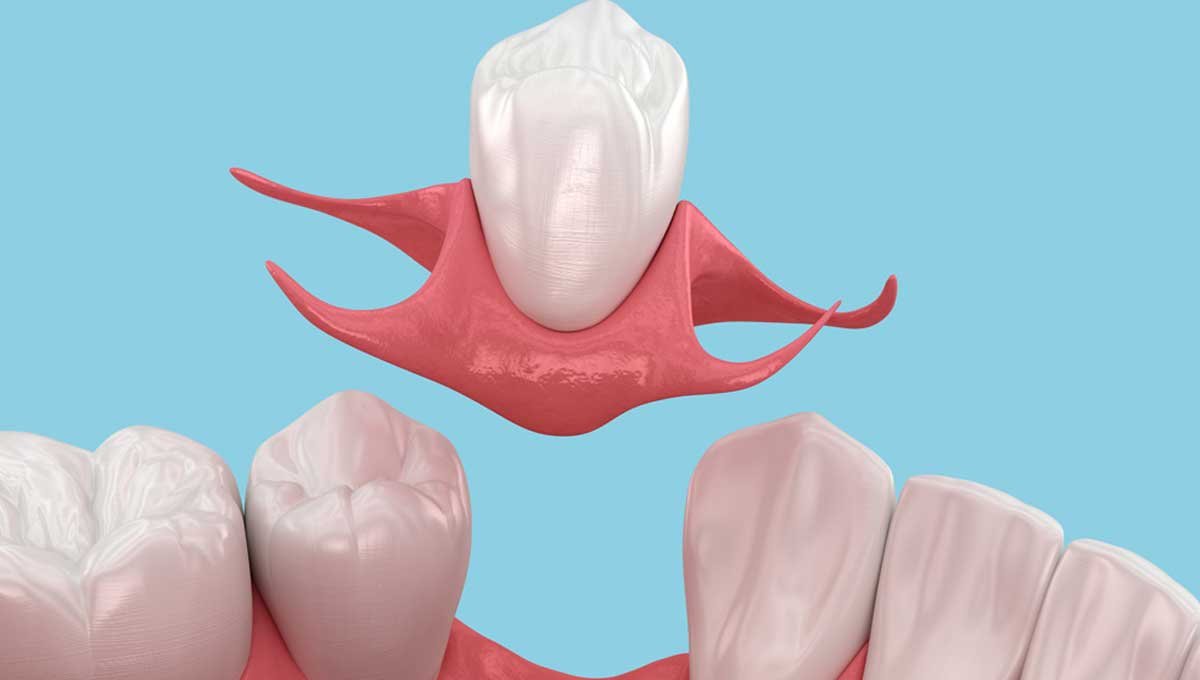
Removable appliances, commonly known as partial or full dentures, have been the traditional standard for tooth replacement for decades. These devices consist of prosthetic teeth attached to a gum-colored acrylic base. They are held in place by natural suction or metal clasps that anchor onto neighboring healthy teeth.
The primary appeal of a removable solution is the non-invasive nature of the process. Because these appliances do not require surgery, they are often the fastest way to fill a gap. They are also generally the most budget-friendly upfront option. However, because they sit on top of the gum tissue rather than being anchored into the bone, they may shift during eating or speaking. Over time, the jawbone beneath a removable appliance tends to shrink, which can lead to a change in fit and the need for periodic adjustments or replacements.
The Stability of Fixed Restorations
Fixed solutions are designed to stay in your mouth permanently, mimicking the feel and function of natural teeth. The two most common types are dental bridges and implants. A bridge utilizes the healthy teeth on either side of a gap as anchors to “bridge” the space with a prosthetic crown. While effective, this method requires the modification of healthy enamel on the neighboring teeth.
The gold standard for fixed restoration is the dental implant. This involves placing a small titanium post into the jawbone, which acts as a replacement for the tooth root. Once the bone heals around the post, a custom crown is attached. This solution is unique because it provides the necessary stimulation to the jawbone to prevent bone loss. For individuals weighing these diverse options, consulting a professional who provides both dental implants and dentures in Henderson TX can help clarify which method aligns best with their specific bone density and long-term health goals.
Comparing Longevity and Maintenance
When choosing between fixed and removable options, it is important to look at the long-term commitment required for each.
Maintenance: Removable dentures must be taken out every night and cleaned with specialized solutions. They also require adhesive for some users to feel secure. Fixed restorations are cleaned exactly like natural teeth, through regular brushing and flossing, making them a seamless addition to a daily routine.
Durability: A well-made removable partial might last five to ten years before it needs to be replaced due to wear or changes in the mouth’s shape. In contrast, a fixed implant can last a lifetime with proper care, although the crown on top may eventually need replacement after fifteen or twenty years.
Impact on Speech and Nutrition
The ability to eat and speak without hesitation is a major factor in quality of life. Fixed solutions generally offer a more natural experience. Because they are anchored into the bone or onto other teeth, they provide a biting force nearly identical to natural teeth. This allows patients to maintain a diverse diet that includes crunchy vegetables and tough proteins.
Removable appliances can sometimes affect phonetics, particularly during the initial adjustment period. Some users find that certain sounds, like “s” or “th,” take practice to master. Additionally, because the biting force is reduced with removable dentures, some dietary restrictions may be necessary to avoid dislodging the appliance or irritating the gums.
Esthetic Considerations
Both fixed and removable options have come a long way in terms of appearance. Modern dental ceramics can be shaded and shaped to perfectly match the translucency and color of your remaining natural teeth. Fixed restorations often have a slight edge in esthetics because they emerge from the gum line just like a real tooth, whereas removable appliances may have a visible acrylic base or metal clasps that can be seen when laughing or speaking widely.
Making the Final Decision
Choosing the best solution involves a balance of your current oral health, your budget, and your lifestyle preferences. A patient with significant bone loss might prefer a removable option to avoid the need for bone grafting, while a younger patient may prioritize the longevity and bone-preserving benefits of a fixed implant. By discussing the pros and cons of each system with a qualified provider, you can select a treatment plan that ensures your smile remains healthy and functional for decades to come.