


A guide to transforming your dated home into a modern abode
In today’s world, where work seems to dominate a great part of our lives, our homes serve as sanctuaries of comfort and personal expression. However, as design trends evolve and technology advances, a home that once felt contemporary can quickly become dated. Upgrading your living space is not just about staying on trend; it’s about enhancing the functionality, comfort, and value of your home. Transforming a dated house into a modern abode is an exciting journey that can dramatically increase your home’s market value and improve your quality of life.
In this article, we’ll explore ten practical tips for modernizing your home, focusing on cost-effective strategies and smart investments that yield long-lasting benefits.
Embracing Minimalism
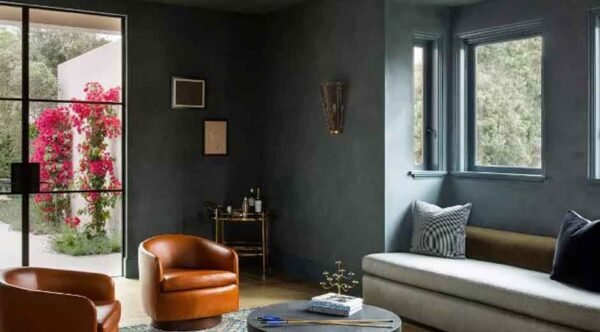
Minimalism has been trending for a long time now, and for good reasons. This concept, rooted in the idea that less is indeed more, encourages homeowners to streamline their spaces, reducing clutter and focusing on the essentials. The minimalist approach is not just about aesthetic appeal; it’s a lifestyle choice that promotes functionality, clarity, and peace of mind. By selecting furniture and decor that embody clean lines and simplicity, homeowners can create inviting spaces that offer respite from the chaos of daily life. Minimalist interiors are characterized by a harmonious blend of light, open spaces, and a monochromatic color palette accented with strategic splashes of color. The result is a home that feels spacious, cohesive, and thoroughly modern.
Bathroom Remodeling: A Worthwhile Investment
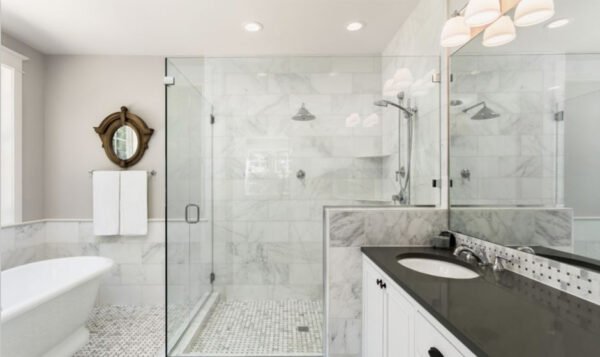
Today’s bathroom renovations prioritize eco-friendly fixtures, such as low-flow toilets and showerheads, which significantly reduce water usage without compromising performance. Walk-in showers, with their sleek lines and barrier-free design, not only cater to a modern aesthetic but also enhance accessibility. Incorporating luxurious elements like heated floors can turn the bathroom into a spa-like retreat. It’s crucial to engage an experienced bathroom remodeler for such renovations. Expert designers and contractors can navigate the complexities of bathroom remodeling, ensuring that the finished space is not only beautiful but also functional and durable.
Upgrade Your Lighting
Lighting is a transformative element in any home renovation, capable of altering the atmosphere of a space with the flick of a switch. Modern lighting solutions favor LED fixtures for their slim profiles, superior energy efficiency, and longevity. These fixtures can be seamlessly integrated into various areas of the home, from under-cabinet kitchen lights to recessed ceiling spots, creating a clean, cohesive look. Moreover, the strategic use of natural light, achieved by installing larger windows or skylights, not only reduces reliance on artificial lighting during the day but also connects the indoors with the natural world outside, making spaces feel larger and more welcoming.
Open Floor Plans
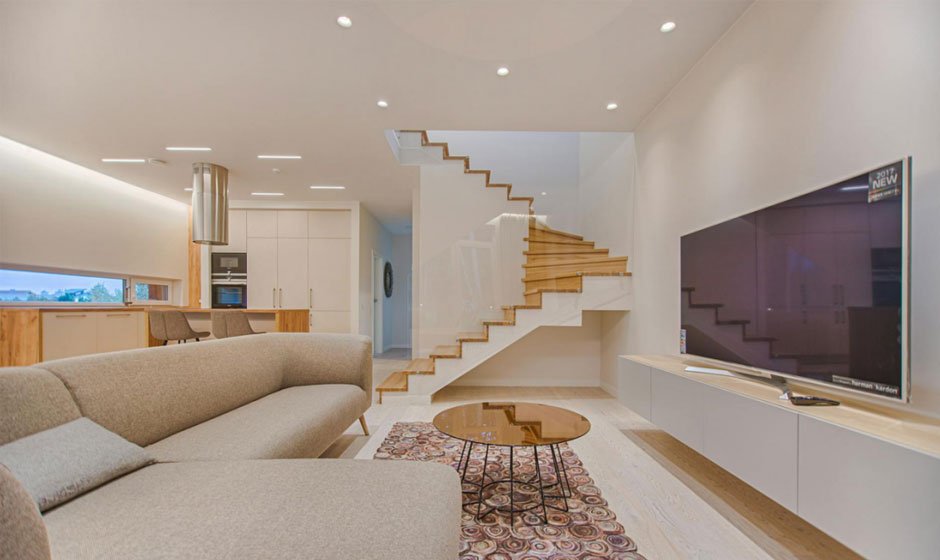
The concept of open floor plans is a cornerstone of modern home design, fostering a sense of freedom, flexibility, and openness. By eliminating unnecessary walls and barriers, spaces such as the kitchen, dining area, and living room merge into a single, cohesive environment. This layout enhances social interaction and communication, making it ideal for entertaining. While the transformation might require structural modifications, the investment pays off by not only modernizing the home but also by making it more adaptable to the changing needs and lifestyles of its inhabitants.
Make the Home Smarter
The integration of smart home technology is a game-changer in modernizing homes, offering unparalleled convenience, security, and energy efficiency. Smart thermostats adjust the home’s temperature based on habits and preferences, optimizing comfort and reducing energy bills. Security systems, equipped with smart cameras and sensors, provide peace of mind, allowing homeowners to monitor their property from anywhere. Voice-activated assistants can control lighting, entertainment systems, and even kitchen appliances, making daily tasks simpler and more enjoyable. The adoption of such technologies not only elevates the home’s functionality but also its appeal to future buyers.
Update the Kitchen
The kitchen plays a pivotal role in the house’s overall ambiance and functionality. Modernizing this space not only enhances its aesthetic appeal but also significantly improves its usability. Contemporary kitchen renovations focus on sleek, energy-efficient appliances that offer both style and substance. Stainless steel finishes are popular for their durability and ease of cleaning, blending seamlessly with any decor. The installation of new countertops, such as quartz or granite, provides a durable and stylish surface for meal preparation. Soft-close cabinetry, with its silent operation, adds a touch of sophistication and convenience. An island with seating can transform the kitchen into a communal space for family and friends to gather, making it not just a place for cooking but also to connect with one another.
Invest in Energy Efficiency
Enhancing a home’s energy efficiency is a crucial aspect of modernization that benefits both the homeowner and the environment. Upgrading insulation in walls, attics, and basements can significantly reduce heating and cooling costs while improving comfort. Replacing old windows with double or triple-glazed options can minimize heat loss in winter and heat gain in summer. Additionally, the installation of energy-efficient doors seals against drafts, further conserving energy.
Incorporate Outdoor Living Spaces
Modern homes extend their livable space beyond the interior. Outdoor living areas, such as patios, decks, and outdoor kitchens, offer additional space for relaxation and entertainment. These areas can be designed to match the home’s aesthetic, creating a unified look. Adding comfortable seating, protective awnings, and outdoor heating extends the usability of these spaces into cooler months. Well-designed outdoor living spaces not only enhance the enjoyment of your home but also add significant value, making them a smart investment in modernizing any residence.
Focus on Flooring
Flooring plays a foundational role in the overall feel of a home. Outdated carpets or worn-out floors can detract from a home’s beauty and feel. Replacing old flooring with modern materials like hardwood, laminate, or tile can instantly uplift a space. Hardwood floors offer timeless appeal and durability, while laminate provides a cost-effective alternative with a similar aesthetic. For areas prone to moisture, such as bathrooms and kitchens, tiles offer water resistance and easy maintenance. Refinishing existing hardwood floors is another option for those looking to update their floors without the expense of complete replacement.
Conclusion
Modernizing a dated home encompasses a variety of updates that together create a cohesive, functional, and aesthetically pleasing living environment. When you follow the tips discussed above, each step towards modernization becomes a step towards a more sustainable and enjoyable lifestyle. Embracing these modern updates ensures a home is not only current with the times but also ready to meet the future with style, efficiency, and comfort.