



Alp De Waal: Understanding The Basics Of Autism Spectrum Disorder
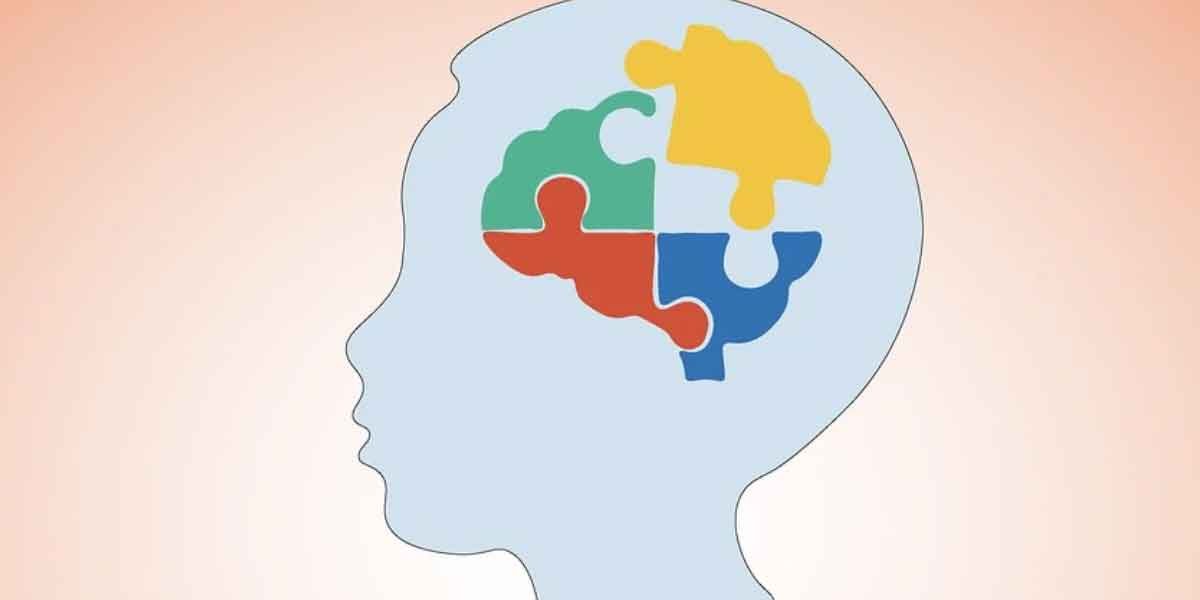
Autism spectrum disorder is a complex neurodevelopmental condition that affects communication, behavior, and social interaction. Healthcare operations leader Alp De Waal works within the UK’s private mental health sector, where he supports clinical teams that diagnose and manage neurodiverse conditions including autism and ADHD. Based in the United Kingdom, he serves as Registered Manager at Berkeley Psychiatrists, overseeing service delivery, regulatory compliance, and the coordination of patient care. His role includes ensuring services meet Care Quality Commission standards while supporting collaboration among practitioners who deliver timely and accurate diagnoses. De Waal has also contributed to clinical research and data compilation related to ADHD prescribing practices and patient care processes. Through operational oversight and collaboration with clinicians, he helps maintain systems that support effective assessment, treatment planning, and patient-centred mental health services for individuals and families navigating neurodevelopmental conditions.
An Introduction to Autism Spectrum Disorder
Autism spectrum disorder is a neurological condition defined by brain development that influences how a person views other people and responds during social interactions. Individuals living with autism spectrum disorder may encounter difficulties with communication and adhering to social norms. Some people also engage in limited, repeated patterns of behavior. As suggested by the word “spectrum,” the disorder encompasses a wide range of symptoms that may result in mild, moderate, or severe behaviors.
Most often, a person starts to demonstrate autism symptoms between the ages of 18 months and two years. Children may develop normally until this point, meaning the onset of autism spectrum disorder symptoms can cause a child to regress and lose previously developed skills. Medical professionals have not developed a cure for the disorder, although early intervention can significantly improve the lives of children living with autism spectrum disorder.
Researchers and medical experts sometimes struggle to describe the symptoms of the disorder because of the wide range and varying severity. Early on, families usually notice the disorder because children do not reach developmental milestones. They may behave aggressively or in a reserved manner. In most instances, symptoms develop before the age of three years old, though it may take doctors longer to diagnose a child who demonstrates mild symptoms.
In rare cases, a person may live until adulthood before receiving an autism spectrum disorder diagnosis. To be clear, these individuals likely experienced symptoms early in childhood, but did not receive a diagnosis for one of several potential reasons.
The symptoms of autism spectrum disorder can manifest as highly unique patterns of behavior. In some cases, autism may share similarities with learning disorders or impact a child’s level of intelligence. Other children with autism spectrum disorder are highly intelligent and can learn quickly, but struggle to communicate their knowledge or interact with people in everyday social situations.
The breadth of symptoms and behaviors not only makes it difficult for physicians to diagnose the disorder, but also to determine the severity of the condition. Doctors usually determine severity by how symptoms limit a person’s ability to function. A few of the most common social communication symptoms include a child not responding to their name, abstaining from physical interactions, preferring to play alone, and not maintaining eye contact.
Children who do interact with others may have trouble keeping a conversation going or might talk with a unique speech pattern. Others frequently repeat words and phrases without fully understanding their meaning or context.
As for patterns of behavior, people with autism spectrum disorder often make similar movements and hand gestures over and over. These movements may be violent, such as head-banging. Some people living with autism establish highly specialized rituals and routines and may become very unnerved if something disrupts their routines. Other symptoms include light sensitivity, fixating on specific objects or activities, and eating only select foods.
Families usually reach out to care providers after a child has experienced notable delays in social and language skill development, and males are four times more likely to develop autism compared to females. Following an autism spectrum disorder diagnosis, families can develop treatment plans that include behavior and communication therapeutic services, education therapy, and family therapy. Certain medications can mitigate autism symptoms, such as medication for hyperactive behavior.
About Alp De Waal
Alp De Waal is a healthcare operations leader and Registered Manager at Berkeley Psychiatrists in London. Recognized by the Care Quality Commission, he is responsible for overseeing daily operations, staff management, regulatory compliance, and service quality within the practice. He supports coordination between clinicians delivering assessments and treatment for neurodevelopmental conditions such as ADHD and autism. De Waal also contributed to clinical research data related to ADHD prescribing practices and holds a Master of Science degree from Queen Mary University of London.