


Early Warning Signs of Drainage Issues Around Your Home
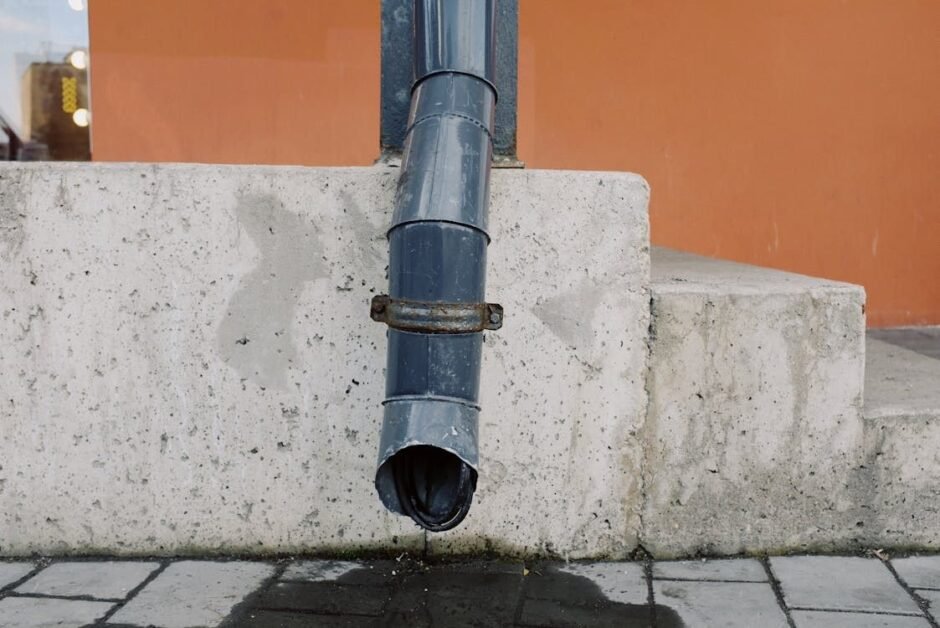
A properly functioning drainage system plays a critical role in maintaining the structural integrity and overall condition of any home. Water that is not directed away efficiently can gradually weaken foundations, damage siding, and erode landscaping. In many residential areas, seasonal rainfall and changing soil conditions increase the risk of water accumulation around properties. Over time, even small drainage issues can escalate into major concerns, affecting both safety and property value. Homeowners often overlook these early signs until visible damage appears, which can result in expensive repairs and long-term complications.
Many people assume occasional gutter cleaning or checking downspouts is enough to manage water flow. However, drainage systems are more complex and require consistent attention to subtle performance changes. This is especially true in regions where weather patterns shift quickly, causing sudden water buildup.
Understanding the Complexity of Proper Water Flow Around Your Home
Effective drainage depends on a combination of systems working together to move water safely away from your home. Gutters, downspouts, soil composition, and yard grading all influence how water flows during and after rainfall. If even one component fails, the entire process can be disrupted, leading to water accumulation in unwanted areas. This buildup often leads to increased soil saturation, which can put pressure on the foundation and surrounding structures.
Proper gutter maintenance and timely repairs are critical for preventing these disruptions, as even minor damage or blockages can disrupt efficient water flow. If you are looking for local gutter repair services, there are many professionals who have years of experience. Their expertise allows them to assess drainage performance accurately, detect hidden faults, and recommend targeted solutions that prevent small issues from turning into costly structural problems.
Common Causes of Poor Yard Drainage and Soil Erosion
Poor yard drainage often begins with soil conditions that limit water absorption. Compacted soil reduces permeability, forcing water to remain on the surface rather than naturally filtering through. This leads to runoff that can carry soil particles away, gradually changing the landscape and creating uneven ground. Areas without sufficient vegetation are especially vulnerable, as plant roots help stabilize soil and improve water retention.
Improper grading is another major factor that contributes to drainage problems. When the ground slopes toward the home rather than away from it, water collects near the foundation, increasing the risk of damage. Heavy rainfall can worsen these conditions, especially if drainage systems are already compromised. Over time, a consistent flow of water in the wrong direction can cause significant soil displacement and create low spots where water continues to gather.
Foundation Red Flags: Cracks, Dampness, and Efflorescence
Foundation issues often begin with excess moisture surrounding the base of the home. When water accumulates in the soil, it creates hydrostatic pressure that pushes against foundation walls. This pressure can cause cracks to form, allowing moisture to seep inside. Even small cracks can expand over time, posing more serious structural concerns if left unaddressed.
Visible signs of moisture intrusion should never be ignored. Damp walls, peeling paint, and a white chalky residue known as efflorescence indicate that water is penetrating the surface. These signs suggest that the drainage system is not effectively directing water away from the home. If left untreated, ongoing exposure to moisture can weaken the foundation and create an environment where mold and other issues develop, increasing both repair costs and health risks.
The Link Between Roof Health and Water Runoff
Your roof plays a direct role in how water is managed during rainfall. When shingles are intact and flashing is secure, water flows smoothly into the gutter system. Any damage disrupts this flow, allowing water to spill into unintended areas. Over time, this can lead to concentrated runoff near the base of the home. Poor drainage at this stage often goes unnoticed until visible ground damage appears. Regular inspections help catch these issues before they worsen.
Blocked valleys and missing shingles often cause water to pool or cascade unevenly. This increases soil saturation and raises the risk of erosion around the foundation. Excess moisture buildup can also strain nearby structures and surfaces. If ignored, these issues can shorten the lifespan of both the roof and the drainage system. Regular roof inspections help ensure water is being directed properly and reduce the likelihood of hidden drainage issues developing below.
The Impact of Landscape Grading and Standing Water
Proper landscape grading ensures that water flows away from your home rather than toward it. When the ground is uneven or slopes incorrectly, water tends to collect in low areas. These pockets of standing water can persist long after rainfall has ended. Persistent moisture can gradually weaken the soil structure. This creates conditions that make drainage issues more difficult to control.
Extended soil saturation weakens the ground and increases the likelihood of water seeping into basements or crawl spaces. Standing water also affects plant health and encourages pest activity. Over time, this can create additional maintenance concerns for homeowners. Waterlogged areas may also lead to unpleasant odors and visible lawn damage. Adjusting grading and eliminating low spots can significantly improve overall drainage and protect the surrounding structure.
Protecting Your Home Through Proactive Drainage Care
Recognizing early warning signs such as pooling water, gutter issues, and foundation changes can help prevent serious damage. Addressing these problems early reduces repair costs and protects the long-term stability of your home. Consistent observation and maintenance are key to keeping drainage systems functioning properly. Small fixes today can prevent extensive structural issues later. Staying proactive also improves overall home safety and structural performance over time.
Taking a proactive approach ensures that water is always directed away from critical areas. Whether it involves minor adjustments or professional evaluation, timely action helps maintain both safety and property value. A well-managed drainage system supports a stronger, more resilient home for years to come. It also contributes to a healthier indoor environment by reducing moisture risks. Long-term care of drainage systems is an investment that consistently pays off for homeowners.