



How Houston Heat Affects Pool Water Chemistry
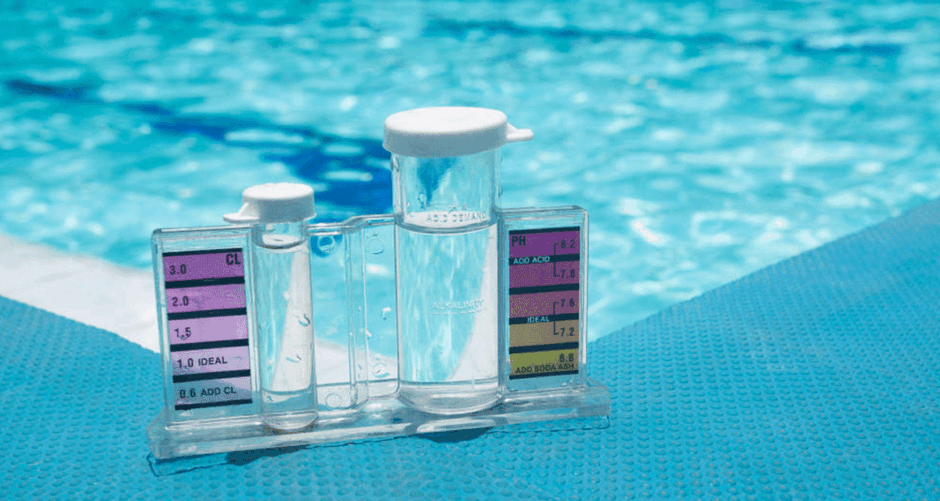
Houston’s hot and humid climate makes swimming pools a popular feature for homeowners, but the intense heat can also create challenges when it comes to maintaining proper water chemistry. High temperatures, strong sunlight, and heavy pool usage can quickly affect water balance. Understanding how the Houston heat impacts your pool can help homeowners stay ahead of potential problems through consistent pool maintenance.
Higher Temperatures Speed Up Chemical Reactions
One of the biggest ways Houston heat affects pools is by accelerating chemical reactions in the water. When temperatures rise, chlorine and other sanitizing chemicals break down more quickly. This means the chlorine that keeps the water clean and free of harmful bacteria may disappear faster than expected.
As a result, pools in hot climates like Houston often require more frequent chemical adjustments. Without proper pool maintenance, chlorine levels can drop too low, allowing bacteria and contaminants to grow in the water. Routine monitoring ensures that sanitizer levels remain balanced and effective even during the hottest parts of the summer.
Sunlight Reduces Chlorine Levels
Houston receives a large amount of sunlight throughout the year, especially during the summer months. Ultraviolet (UV) rays from the sun can rapidly break down chlorine in pool water. When chlorine is exposed to intense sunlight, it becomes less effective at killing bacteria and preventing algae growth.
Regular pool maintenance helps manage this issue by ensuring stabilizers, such as cyanuric acid, are present in the proper amounts. Stabilizers help protect chlorine from the sun’s UV rays, allowing it to last longer in the water. Maintaining the right balance of chemicals keeps the pool safe and clean even during prolonged periods of intense heat.
Heat Encourages Algae Growth
Warm water provides the perfect environment for algae to grow. In Houston’s hot climate, algae can develop quickly if chemical levels are not properly maintained. Even a small imbalance in water chemistry can allow algae to spread across the pool’s walls and floor.
Algae growth not only affects the appearance of a pool but can also make the water unsafe for swimming. Green, cloudy water is often a sign that the pool’s chemical balance has been disrupted. Consistent pool maintenance helps prevent algae outbreaks by maintaining proper sanitizer levels and ensuring the pool is regularly cleaned and circulated.
Increased Pool Use Affects Water Balance
During Houston’s long summer season, pools tend to get a lot of use. Family gatherings, weekend parties, and daily swimming can introduce oils, sweat, sunscreen, and debris into the water. These contaminants can quickly alter the pool’s chemical balance.
Regular pool maintenance helps manage these changes by testing and adjusting water chemistry as needed. Skimming debris, vacuuming the pool, and maintaining proper filtration all contribute to keeping the water clear and healthy for swimmers.
Protecting Your Pool in Houston’s Climate
Because of the region’s high temperatures and frequent sunlight, Houston pools require consistent attention to maintain proper water chemistry. Heat can quickly alter chemical levels, encourage algae growth, and reduce sanitizer effectiveness.
Professional pool maintenance ensures that water chemistry stays balanced despite the challenges of Houston’s climate. Routine inspections, chemical adjustments, and equipment checks help keep pools clean, safe, and ready to enjoy throughout the year. For homeowners, staying on top of maintenance is the best way to protect their investment and enjoy a crystal-clear pool even during the hottest Texas summers.