



How Much Do Solar Panels Cost in Utah? Prices, Incentives, and the Net Metering Shift
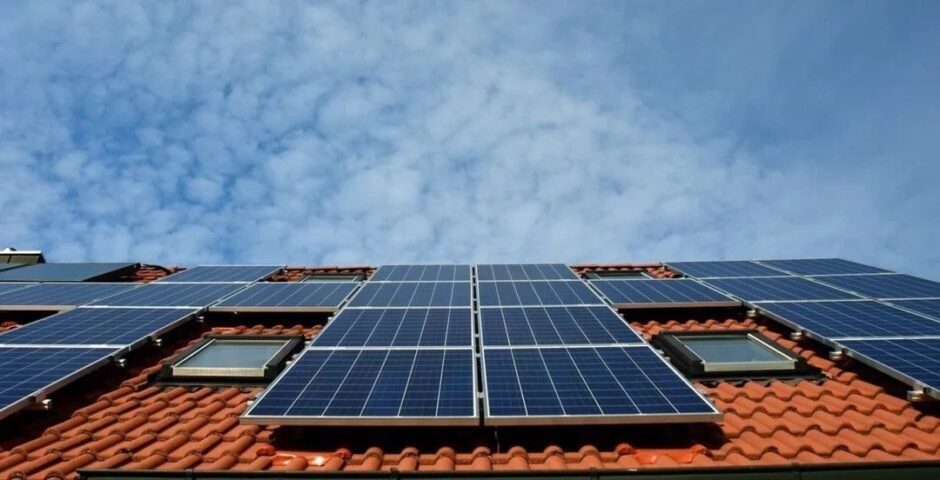
Utah has some of the best sunlight in the country and competitive solar installation pricing. A 7-kilowatt residential system costs $18,000 to $21,000 before incentives and $12,500 to $15,000 after the federal tax credit. On paper, the economics look excellent. In practice, the net metering policy change that took effect in recent years has reshaped the savings equation and made battery storage more relevant than in most states.
Here is the full cost breakdown, how Utah’s incentives work, and how the net metering transition affects what you actually save.
Installed System Cost by Size
Utah solar costs $2.60 to $2.90 per watt installed, which is below the national average. The competitive installer market in the Wasatch Front, from Ogden through Salt Lake City to Provo, keeps pricing low. Rural areas may see slightly higher costs due to fewer installer options.
| System Size | Installed Cost (Before Incentives) | After Federal Tax Credit |
| 5 kW | $13,000–$14,500 | $9,100–$10,200 |
| 7 kW | $18,200–$20,300 | $12,700–$14,200 |
| 10 kW | $26,000–$29,000 | $18,200–$20,300 |
Utah’s low installation costs are driven by high competition and streamlined permitting. Many Utah cities have adopted automated solar permitting through platforms like SolarAPP+, which reduces the administrative cost and timeline for installers. These savings are passed through to homeowners in the form of lower per-watt pricing compared to states with more burdensome permitting processes.
Utah Solar Incentives: The Federal Credit Is the Main Event
The federal solar investment tax credit covers 30 percent of the total system cost with no cap. On a $19,000 system, the federal credit is $5,700. This is a direct credit against federal taxes owed. Any unused portion carries forward to future tax years.
Utah’s state solar tax credit expired at the end of 2017 and has not been renewed. Homeowners installing solar today receive no state-level tax credit. The Utah renewable energy systems tax credit, which previously offered up to $1,600 for residential systems, is no longer available.
Utah does offer a property tax exemption for solar systems. The added value of a solar installation is excluded from property tax assessment for the life of the system. In Salt Lake County, where property values and tax rates have risen steadily, this exemption saves approximately $150 to $300 per year. Over 25 years, it is worth $4,000 to $7,500.
Rocky Mountain Power, which serves most of Utah, does not currently offer a standalone solar rebate. Some municipal utilities, including those in St. George, Murray, and Logan, offer limited incentives. Check with your specific utility before assuming no local incentives are available.
Utah’s Net Metering Transition: What Changed and Why It Matters
Utah transitioned from full retail rate net metering to a time-of-use export credit structure. This is the single most important variable in Utah solar economics and the one most likely to cause confusion if you are comparing Utah to states that still offer full retail net metering.
Under the current structure, electricity exported to the grid during peak hours, typically summer afternoons and early evenings, is credited at a higher rate than exports during off-peak hours. The export credit rates are lower than the full retail rate for electricity consumption. This means a kilowatt-hour you send to the grid is worth less than a kilowatt-hour you consume from the grid, which was not the case under the old full retail net metering policy.
Systems installed before the transition date are grandfathered under the original net metering rules for a period specified in the interconnection agreement. If you are considering solar in Utah, the grandfathering status matters for your financial projection. A new system installed today operates under the current export credit structure, not the legacy full retail rates.
The practical effect of the net metering change is that self-consuming your solar generation is now significantly more valuable than exporting it. Solar used immediately in the home offsets electricity at the full retail rate of 11 to 12 cents per kilowatt-hour. Solar exported to the grid is credited at a lower export rate. This shifts the optimal system design toward smaller systems that match daytime consumption rather than larger systems designed to offset total annual usage through net metering credits.
How Much Power Utah Solar Panels Generate
Utah receives 5.5 to 6.5 peak sun hours per day averaged across the year, depending on location. St. George in southern Utah receives approximately 6.5 hours. Salt Lake City receives approximately 5.5 hours. The entire state benefits from high elevation, low humidity, and abundant clear days. Utah is one of the top five states for solar resource quality in the continental United States.
A 7-kilowatt system in Salt Lake City generates approximately 11,500 to 13,000 kilowatt-hours per year. In St. George, the same system generates 13,000 to 14,500 kilowatt-hours per year. This is 20 to 30 percent more annual production than the same system in Maryland or Delaware. Utah’s solar resource is a genuine competitive advantage.
The high production partially offsets the lower value of exported electricity under the current net metering structure. A Utah system produces more total kilowatt-hours than an equivalent system in most other states. Even at a lower export credit rate, the volume of production keeps the total annual savings competitive.
How Much You Save on Electricity
Utah residential electricity rates average 11 to 12 cents per kilowatt-hour, which is below the national average. Rocky Mountain Power is the primary electric utility for most of the state.
Calculating savings under the current export credit structure requires estimating how much of your solar generation is self-consumed versus exported. A typical Utah home without battery storage self-consumes approximately 30 to 50 percent of solar generation, with the remainder exported during midday when production exceeds consumption. The self-consumed portion offsets electricity at the full retail rate. The exported portion is credited at the lower export rate.
A 7-kilowatt system generating 12,000 kilowatt-hours per year with 40 percent self-consumption saves approximately $530 per year from self-consumed electricity at 11 cents, plus approximately $430 per year from exported electricity at the lower export credit rate. Total annual savings approximate $960. This is the estimate to use for a system without battery storage under the current net metering structure.
Against a net system cost of $13,000 to $14,000, the simple payback period is 13 to 15 years for a solar-only system. This is significantly longer than the 6 to 8 year payback under Utah’s old full retail net metering policy, and longer than the payback in states like Delaware and Maryland that still offer full retail net metering with additional incentives.
Why a Battery Changes the Math in Utah
Adding a battery to a Utah solar system increases self-consumption from 30 to 50 percent to 70 to 90 percent. The battery stores excess midday solar and discharges it in the evening when the home is using electricity and export credit rates are lower. This shifts kilowatt-hours from the low-value export column to the high-value self-consumption column.
A battery adds $8,000 to $12,000 to the system cost, which qualifies for the 30 percent federal tax credit. The net cost of a battery after the credit is $5,600 to $8,400. The additional annual savings from increased self-consumption are approximately $300 to $500, which produces a battery payback of 11 to 17 years.
The battery payback alone is marginal, but the combination of increased self-consumption value and backup power during Utah’s occasional winter storm outages and summer grid strain events makes the battery-plus-solar package more compelling than solar alone under the current net metering structure.
25-Year Financial Picture
Over 25 years, a Utah homeowner with a 7-kilowatt solar-only system can expect net savings of $8,000 to $14,000 after recovering the initial investment. Adding a battery increases the net savings to $10,000 to $18,000 while also providing backup power. The inverter replacement at year 12 to 15 is factored into these numbers.
Utah’s excellent solar resource is partially neutralized by the lower value of exported electricity under the current net metering structure. The state that should have some of the best solar economics in the country based on sun exposure alone has merely average economics due to the policy environment.
Cash vs. Loan vs. Lease
Cash purchase produces the highest return. A solar loan allows zero-down installation with monthly payments. Interest rates for Utah solar loans range from 4 to 8 percent. The monthly loan payment is typically competitive with or slightly lower than the pre-solar electric bill.
A lease or power purchase agreement means a third party owns the panels. The third party keeps the federal tax credit. Leasing is most common in Utah among homeowners who cannot use the federal tax credit. Given Utah’s high solar production, owning the system and capturing the tax credit yourself produces significantly higher lifetime savings.
When Solar Is Not Worth It in Utah
Low daytime electricity usage. If the home is empty during the day, self-consumption is minimal and most solar generation is exported at the lower credit rate. A battery helps but adds cost. Homes with occupants during the day, such as those with remote workers or young children, benefit more from solar under the current net metering structure.
Moving within nine years. The longer payback period under the current export credit structure means you need more time in the home to recover the investment.
Heavy shade from mountains or trees. Utah’s mountain topography creates shade patterns that can significantly reduce production, especially for homes on east-facing or north-facing slopes in the Wasatch foothills.
Old roof. Utah’s intense UV exposure at high elevation degrades asphalt shingles faster than in most states. Replace a roof with less than 10 years of remaining life before installing solar.
Rocky Mountain Power is not your utility. If you are served by a municipal utility, confirm their net metering or export credit policy. Some municipal utilities in Utah offer terms that are more or less favorable than Rocky Mountain Power’s.
Frequently Asked Questions
What is Rocky Mountain Power’s current export credit rate?
Rocky Mountain Power’s export credit rate varies by time of day and season. The rate is set through the Utah Public Service Commission and is updated periodically. At the time of writing, the export credit rate during summer on-peak hours is approximately 5 to 7 cents per kilowatt-hour, which is about half the retail rate. Off-peak export credits are lower. A qualified Utah solar installer can provide the current export credit schedule and model your specific savings. Do not rely on estimates more than a year old. The rates are subject to change through the regulatory process.
If I install solar now, will I be grandfathered if the rates change again?
Historically, Rocky Mountain Power and the Utah Public Service Commission have grandfathered existing solar customers when net metering policies changed. Systems installed under one rate structure are allowed to remain on that structure for a defined grandfathering period, typically 10 to 15 years. There is no guarantee that future policy changes will include grandfathering. The interconnection agreement you sign at installation is the legal document that specifies your rate structure and term.
How does Utah snow affect solar panel production?
Snow that covers panels blocks all production. However, Utah’s snow is typically dry and light, and panels are dark and angled. Light snow melts and slides off within hours of the sun emerging. Heavy snow from a multi-day storm may cover panels for several days. The annual production loss from snow cover in Utah is typically 1 to 3 percent, which is factored into production estimates by reputable installers. Ground-mount systems can be manually cleared of snow. Roof-mounted systems should not be climbed in winter conditions for safety reasons.