



How to Improve Temperature Sensitive Shipping in Standard Containers
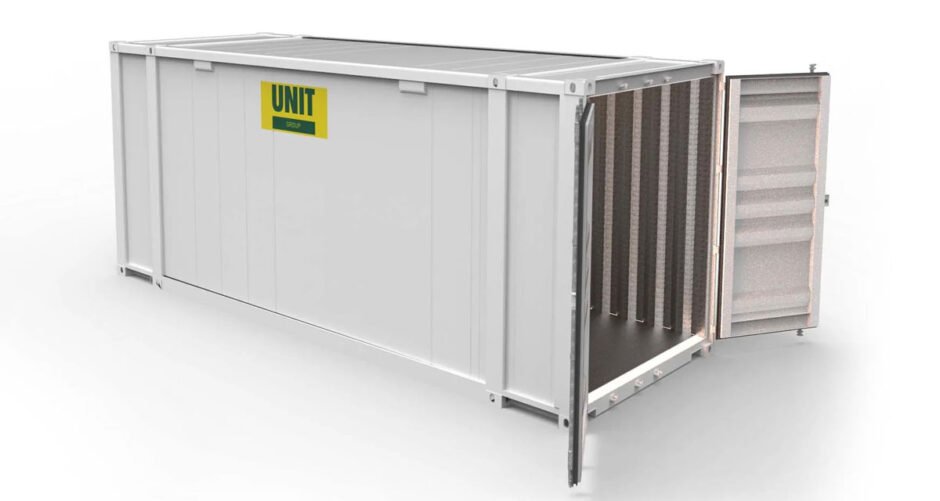
Shipping of goods over long distances that uses temperature sensitive shipping in regular containers is an emerging issue within businesses. Food, pharmaceuticals, and chemicals are some products that need stable conditions during transportation to ensure quality and safety. Failure to manage temperature control properly can result in spoilage, loss of money and disruption of the supply chain by the slightest changes. Enhancing their management within a standard shipping container is thus a significant aspect of the contemporary logistics design.
A typical shipping container is used by many firms due to its accessibility and affordability. The priority is usually the capacity and cost of a shipping container and not the temperature performance even when buying or leasing a shipping container to sell. Nevertheless, these containers may be modified to accommodate cargo that is sensitive to temperature without the need to have fully specialized refrigerated containers with the right techniques.
Understanding Temperature Risks in Standard Containers
The standard containers do not have the capability of actively controlling the internal temperature and are therefore susceptible to external climate conditions. The internal environment may change during transport due to heat of sunlight, cold weather and humidity variations. Such variations may be more extreme when the containers are stored at ports or are in transit.
A shipping container is designed to be slightly insulated, although this is not adequate to keep products that need to be kept at a specific temperature. Without a proper preparation, cargo put inside it can be exposed to conditions that are beyond acceptable limits. This makes it significant that businesses should be able to gauge the risks that are posed by the environment before placing goods into a shipping container and be able to devise mitigation measures.
Improving Insulation and Airflow Control
The best method of enhancing temperature stability is to ensure that there is increased insulation within the container. Walls, ceilings and floors can have insulation materials to minimize heat loss to the outside world. It assists in a more stable internal temperature of long shipments.
The control of airflow is also crucial in avoiding hot or cold spots in the container. Good spacing of goods helps in even distribution of air, which helps to avoid localized high and low temperatures. Combined, insulation and airflow management have a significant effect on the functionality of ordinary containers that are used to carry delicate cargo.
Using Monitoring and Data Systems
Contemporary logistics is moving to temperature monitoring solutions that allow monitoring the conditions within containers in real time. The systems also supply valuable information on a constant basis that enables operators to notice temperature fluctuations early and intervene when necessary. This will minimize the potential of injury before it gets serious.
Monitoring devices are also used to gather data that assists businesses to make better shipments in the future. The temperature patterns can help companies to locate the weak areas in its transport process and modify them accordingly. Although working with a simple shipping container, this kind of knowledge can result in more dependable and regulated delivery results.
Operational Handling and Packaging Methods
Temperature stability is greatly dependent on proper handling during loading and unloading. Whenever possible, containers need to be stored in shaded or controlled environments before shipment. The exposure time to direct sunlight or extreme weather conditions should be reduced to maintain internal conditions prior to the start of transit.
The way of packaging also affects the preservation of temperature within a container. Sensitive goods can be offered an extra protective layer with the help of insulated packaging materials. This, in combination with proper stacking, minimizes the effects of external temperature variations and enhances the stability of shipment throughout the entire voyage.
Strategic Planning and Logistics Coordination
Shipment temperature sensitivity involves a good coordination of all supply chain phases. Arranging the timing of shipments could be planned to be during cooler seasons of the day or year to minimize environmental stresses on goods. It is particularly significant in long distance transportation where time loss is likely to be experienced.
Co-ordination among suppliers, transport operators and warehouse teams make sure that goods do not spend a lot of time in uncontrolled environments. When all the parties understand temperature needs then it is easy to keep the temperature constant between the source and destination. This method also enhances efficiency of use of normal containers and specialized units where necessary.
Improving Container Selection and Usage
Another aspect that is critical in temperature control is the choice of the type of container to be used on a certain piece of cargo. Although refrigerated units are best in the case of highly sensitive goods, there are a lot of cases when modified standard containers can be used to efficiently handle shipments. The trick is to know the weaknesses and advantages of either choice.
Companies that transport temperature sensitive freight regularly consider how to invest in upgrades or other solutions. Decisions made even when selecting a shipping container for sale should also be made based on the prospects of insulation and integration with monitoring systems. This is to help guarantee the improved performance in the long term and minimize the chances of loss of the products.
Environmental Protection Measures
The internal container conditions can be greatly enhanced by external environmental protection. Reflective covers or protective tarps can be used to minimize the absorption of heat during transit. Storing containers and waiting in the port should be positioned out of the direct sunlight to stabilize the internal temperatures also.
Another significant consideration in minimizing exposure risk is weather planning. When feasible, it is better to avoid extreme weather paths when a shipping container is to be used to keep it under more stable conditions. In cases where it is not possible to make route changes, supplementary protective means are even more crucial to safeguard cargo.
Conclusion
Enhancing temperature sensitive shipping in regular containers involves preparation, monitoring and operational control. Although these containers are not necessarily created to be climate controlled, they can be used to sustain sensitive goods when carefully handled.
Businesses could also drastically mitigate the risks posed by temperature changes through the use of improved insulation, enhanced airflow, real time monitoring and careful handling. Even a regular shipping container can serve as a viable solution to ensure the integrity of products along complex supply chains with the proper strategies.