


The Dos and Don’ts of Bathroom Remodeling
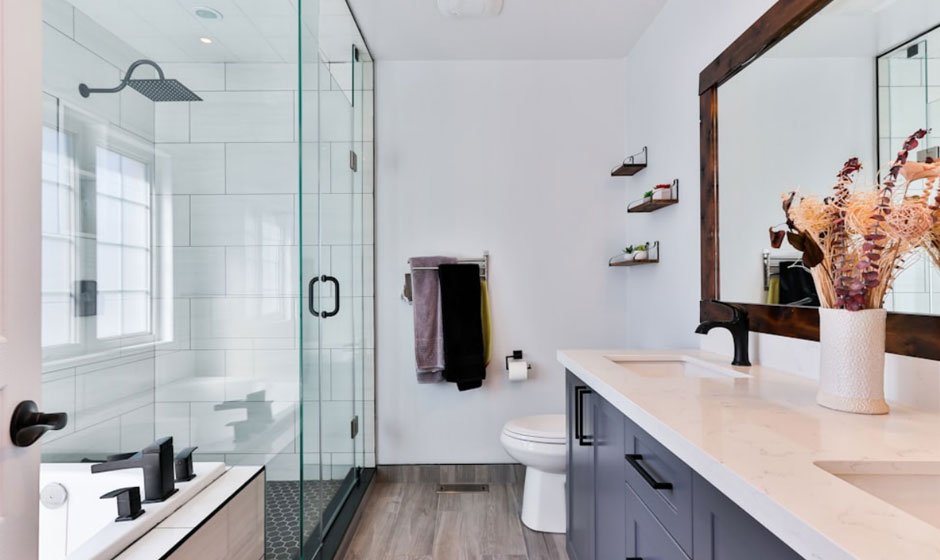
Bathroom remodeling is an exciting home improvement project that can add value to your home and enhance your daily routine. However, it requires careful planning and execution to avoid common pitfalls. Whether you’re updating a small powder room or transforming a master bath, knowing what to do and what to avoid can make the process smoother and more successful. This guide will cover essential dos and don’ts to help you navigate your bathroom remodel with confidence. From budgeting and design to choosing materials and hiring professionals, these tips will ensure you achieve the bathroom of your dreams without unnecessary stress.
1. Do Set a Realistic Budget
One of the first steps in any bathroom remodel is setting a realistic budget. Determine how much you’re willing to spend and stick to it. Consider all expenses, including materials, labor, permits, and unexpected costs. Prioritize your spending based on what’s most important to you. For example, if having a luxurious shower is a priority, allocate more funds towards high-quality fixtures and tiles. Keep some buffer in your budget for unexpected expenses that might arise during the project. A clear budget helps you make informed decisions and prevents overspending.
2. Don’t Overlook the Importance of Hiring Professionals
Hiring the right professionals can make or break your bathroom remodel. While DIY projects can be tempting to save money, complex tasks like plumbing and electrical work require expert knowledge and skills. Research and choose a reputable bathroom remodeling company to ensure the job is done correctly and safely. Experienced professionals can offer valuable advice, help you avoid common mistakes, and ensure your remodel meets building codes and regulations. Investing in skilled labor may cost more upfront but can save you from costly repairs and headaches in the long run.
3. Do Plan for Adequate Storage
Storage is a crucial aspect of a functional bathroom. Plan for enough storage space to keep your bathroom organized and clutter-free. Consider built-in cabinets, floating shelves, and vanity units with drawers and compartments. Utilize vertical space by adding tall cabinets or shelving units. Think about your daily needs and ensure there’s a place for everything, from toiletries and towels to cleaning supplies. Adequate storage not only improves the functionality of your bathroom but also enhances its aesthetic appeal by keeping surfaces clear and tidy.
4. Don’t Neglect Ventilation
Proper ventilation is essential in a bathroom to prevent mold, mildew, and moisture damage. Ensure your remodel includes a high-quality exhaust fan that’s appropriately sized for the space. The fan should vent to the outside to effectively remove humid air. Consider additional ventilation options like windows or skylights to allow natural airflow and light. Proper ventilation protects your bathroom finishes and fixtures, improves air quality, and ensures a comfortable environment. Neglecting this aspect can lead to costly repairs and health issues over time.
5. Do Choose Durable and Water-Resistant Materials
Bathrooms are exposed to moisture and humidity daily, so choosing durable and water-resistant materials is crucial. Opt for tiles, countertops, and flooring that can withstand the bathroom environment. Porcelain and ceramic tiles are excellent choices for floors and walls due to their water resistance and durability. Quartz and solid surface countertops are also great options for withstanding moisture. Ensure that any wood used, such as in vanities or cabinetry, is properly sealed or treated to prevent warping and damage. Choosing the right materials ensures your bathroom remains beautiful and functional for years to come.
6. Don’t Forget About Lighting
Proper lighting is essential in a bathroom for both functionality and ambiance. Layer different types of lighting to achieve the best results. Start with overhead lighting for general illumination, then add task lighting around mirrors and vanities for grooming and makeup application. Incorporate accent lighting to highlight design features and create a relaxing atmosphere. Use dimmers to adjust the lighting intensity as needed. Choosing the right light fixtures and bulbs can enhance the overall look and feel of your bathroom while ensuring practicality and comfort.
7. Do Focus on Efficient Layout
An efficient layout is key to a successful bathroom remodel. Consider the flow and functionality of the space when planning the layout. Keep the plumbing in its current location to minimize costs and complications. Ensure there is enough space for movement and that fixtures are easily accessible. Think about how you use the bathroom daily and arrange the elements accordingly. A well-planned layout maximizes the space available and makes your bathroom more comfortable and convenient to use.
8. Don’t Overlook Safety Features
Safety should be a priority in any bathroom remodel, especially if you plan to age in place. Incorporate safety features like grab bars, non-slip flooring, and walk-in showers or tubs to prevent accidents. Ensure the bathroom is well-lit to avoid falls and provide proper drainage to prevent water accumulation. Consider the needs of all users, including children and elderly family members, and make adjustments accordingly. Adding safety features enhances the functionality of your bathroom and provides peace of mind for you and your loved ones.
9. Do Add Personal Touches
While functionality and durability are important, don’t forget to add personal touches to make the bathroom your own. Choose colors, patterns, and accessories that reflect your style and preferences. Incorporate decorative elements like artwork, plants, and stylish mirrors to add character and warmth. Personal touches make your bathroom feel unique and inviting, transforming it into a space where you enjoy spending time. Balancing practicality with personal expression ensures your bathroom is both beautiful and functional.
10. Don’t Rush the Process
Bathroom remodeling requires careful planning and execution. Rushing the process can lead to mistakes, oversights, and unsatisfactory results. Take the time to plan thoroughly, choose the right materials, and hire experienced professionals. Communicate regularly with your contractor to stay informed about the project’s progress and address any issues promptly. Be patient and allow for unexpected delays, as they are common in remodeling projects. Taking your time ensures a high-quality outcome and a bathroom you’ll love for years to come.
Conclusion
A successful bathroom remodel involves careful planning, attention to detail, and a balance of functionality and aesthetics. By following these dos and don’ts, you can navigate the remodeling process with confidence and achieve a stunning, functional bathroom. Set a realistic budget, hire reputable professionals, and choose durable materials to ensure long-lasting results. Prioritize storage, ventilation, and lighting to create a comfortable and efficient space. Don’t forget to add personal touches and focus on safety to make the bathroom truly your own. With the right approach, your bathroom remodel can enhance your home’s value and your daily life.