


What People Notice About Their Lives Amidst Moving
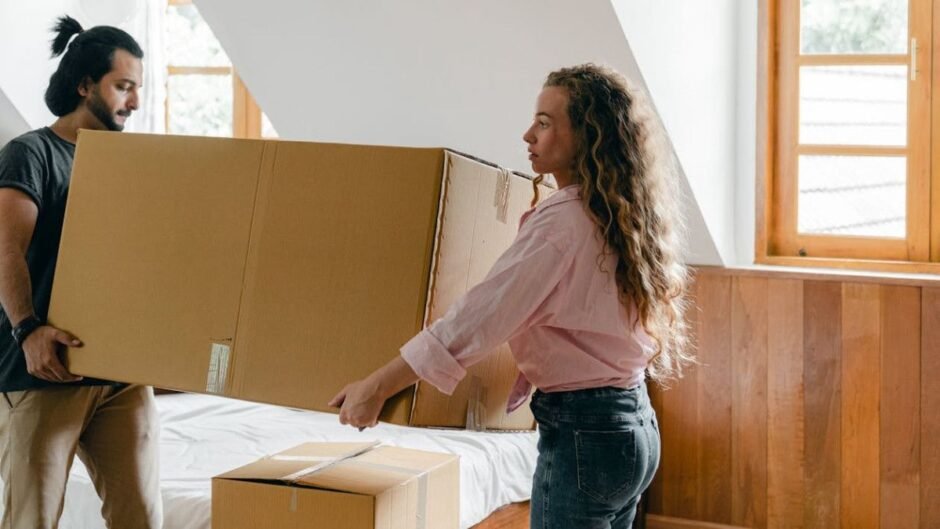
Moving pulls your life out into the open, piece by piece, and forces you to look at it in a way that doesn’t happen during normal routines. You start noticing how much you’ve collected, what you reach for every day, and what has just been sitting there without purpose. The act of packing turns into something more than a task; it becomes a quiet inventory of how you’ve been living.
There’s also a strange shift in awareness that happens once everything starts coming apart. The space you lived in no longer feels the same, and your habits don’t fit the way they used to. You begin to see how much your day depended on familiarity, how comfort came from knowing where things were, and how quickly that sense of normal can disappear.
When the Work Feels Bigger Than Expected
Packing always seems manageable in the beginning. A few boxes, a plan in mind, maybe even a sense of control over how everything will come together. Then it keeps going. More drawers, more shelves, more things that didn’t seem like much until they all needed to be moved. The physical side of it builds fast, and suddenly it feels like you’re not just packing a house, you’re carrying the weight of everything you’ve accumulated.
That’s usually the moment people start rethinking how they want to handle it. The idea of bringing in local movers starts to make more sense, especially financially. It’s not just about lifting boxes, but about recognizing how much effort it takes to move an entire life from one place to another. This realization tends to stick, even after the move is done.
Time Starts Running Differently
Days don’t feel open during a move. Everything starts getting measured in tasks instead of hours. What used to be a normal morning becomes a checklist. Pack this, label that, make sure something else gets done before the day ends. Time stops feeling flexible and starts feeling like something that needs to be managed closely.
There’s a noticeable shift in how people move through the day. Breaks feel shorter, tasks feel more urgent, and even simple things get delayed because there’s always something else that needs attention. It highlights how much of everyday life usually runs on routine instead of pressure.
What Makes a Place Feel Like Home
Unpacking tells a different story than packing. When everything arrives in a new space, not all of it gets opened right away. Some boxes sit there, untouched, while others get opened immediately. Those first few items that come out say a lot about what actually matters.
It’s rarely the biggest or most expensive things. It’s the small pieces that bring familiarity back into the space. A certain chair, a lamp, a set of dishes, something that makes the room feel lived in again. You start to see that “home” isn’t everything you own; it’s a handful of things that make the space feel right.
Pressure Shows Up in Planning
Moving comes with a timeline, whether you like it or not. Dates are set, keys are handed over, and everything needs to happen within a certain window. Some people respond by getting more organized than they’ve ever been, mapping out every step, trying to stay ahead of everything.
Others feel that pressure in a different way. The closer the move gets, the more it builds. Things that seemed simple at first start feeling heavier, and decisions take longer because there’s less room for mistakes.
Value Shifts While Packing
Handling every item you own forces a different kind of thinking. You pick something up, decide where it goes, and in that moment, you also decide how much it matters. Some things get packed without hesitation. Others make you stop for a second and question why you’ve kept them at all.
This process changes how you see your belongings. Items that once felt important can lose that feeling quickly, while others gain more value because of the memories attached to them. Moving has a way of clearing out not just space, but the way you assign meaning to what you own.
Environment Starts Feeling More Personal Than You Thought
You don’t always realize how much your surroundings affect you until you’re taken out of them. During a move, you start paying attention to things that never stood out before. Light coming through a window at a certain time, the way a room sounds when it’s quiet, how open or closed a space feels. Those details suddenly carry weight because you’re about to lose them or replace them.
In a new place, those same details hit differently. Some feel right immediately, others feel off without a clear reason.
Priorities Rearrange Themselves Without Asking
Before the move, it’s easy to assume you know what matters most. You think you’ll need certain things right away, that certain boxes should be opened first, that specific items will bring comfort back into the space. Then you arrive, and those assumptions start shifting.
You reach for different things than expected. Items you thought were essential stay packed longer, while something simple becomes the first thing you look for. It shows how priorities aren’t as fixed as they seem.
Flexibility Gets Tested in Real Time
Plans during a move rarely go exactly as expected. Something takes longer, something gets delayed, something doesn’t fit the way you thought it would. You’re constantly adjusting, even if you started with a concrete plan.
That process reveals how comfortable you are with change. Some people adapt quickly, moving through problems without much resistance. Others feel every disruption more strongly. Either way, the move doesn’t leave much room to stay rigid. It pushes you to adjust in the moment, and that says a lot about how you handle change in general.
Empty Rooms Feel Different Than Expected
Seeing a space empty changes how you think about it. Rooms that once felt full of life suddenly feel open, almost unfamiliar. You notice the size differently, the shape, the way sound moves through it.
Plus, this makes you realize how much of a space’s identity comes from what’s inside it. Furniture, objects, and personal items give meaning to the layout. Without them, the room feels like a blank version of itself.
Moving pulls everyday life out of its usual flow and puts it under a kind of spotlight. Habits, routines, and small preferences become more visible because they’re interrupted all at once. You notice what you rely on, what you ignore, and what actually matters once everything is stripped back and rebuilt.