



Routine Plumbing Inspections: A Key to Preventative Maintenance
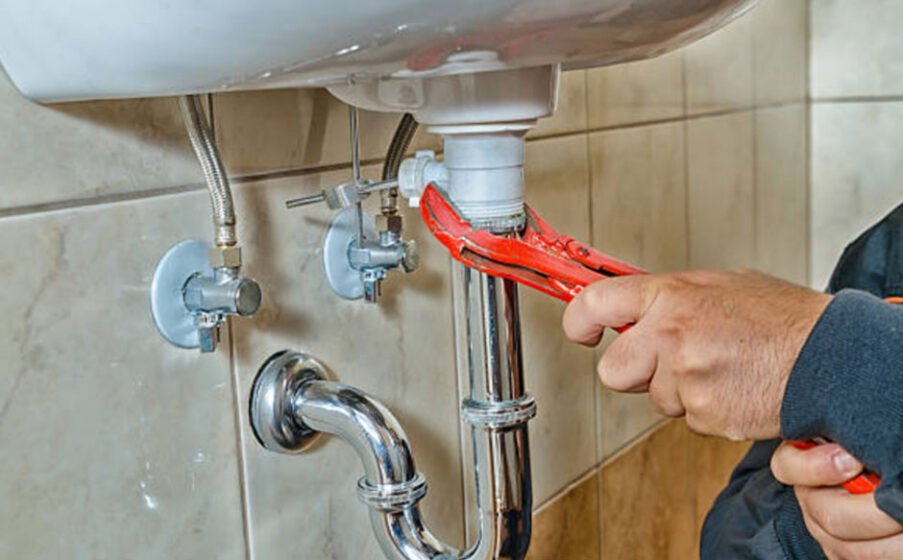
For a building drainage and water supply systems to function well plumbing maintenance is essential. Frequent inspections can assist in spotting problems before they result in expensive repairs or significant damage. A plumbing system that is kept up to date reduces the possibility of leaks, obstructions and water damage which saves money and time. Cleaning drain lines, checking water pressure and examining pipes are all examples of preventative plumbing care. A home or business general functionality is improved by proper maintenance which also prolongs the life of plumbing fixtures and equipment. To prevent unforeseen malfunctions and preserve system dependability homeowners and property managers should plan routine plumbing maintenance. Proactive maintenance benefits communities and individuals alike by improving water conservation and environmental sustainability.
The Role of Plumbing Maintenance in Preventing Water Damage
Preventing water damage and protecting homes from expensive repairs and structural problems are made possible by regular plumbing maintenance. Appliances, fixtures and pipes should all have routine inspections to assist spot possible issues before they become serious water leaks. The structural integrity of a home may be threatened by undetected leaks which can result in wood rot, mould growth and weakened building foundations. Regularly homeowners should look for any obvious indications of moisture under sinks, around faucets and next to appliances that use water. You can make sure your plumbing system is dependable, efficient and economical for many years to come by devoting time and energy to routine maintenance and inspections. Because too much pressure can strain pipes and raise the risk of breaks maintaining the right water pressure is equally critical. The plumbing maintenance balanced and secure flow is guaranteed by installing pressure regulators and measuring water pressure on a regular basis. Regular drain cleaning helps avoid obstructions which can result in overflows and subsequent wall and floor water damage. Drain covers work well to catch waste lower the likelihood of clogs and save needless plumbing crises.
Plumbing Maintenance and Its Impact on Property Value
Regular inspections of pipeline fixtures and drains help to prevent problems like leaks blockages and water damage. A clean plumbing system gives buyers peace of mind that the house has been maintained and needs fewer repairs right away. Unnoticed plumbing problems including gradual leaks can result in mould growth and structural deterioration which lowers a home overall value and marketability. Regular maintenance shows responsible ownership and dedication to maintaining the property such as checking faucets and fixing small leaks. Water heaters should be flushed annually to remove sediment ensuring efficiency and prolonging their lifespan which appeals to buyers. Consistent water pressure keeps pipes safe and provides a satisfying water supply experience for the whole house. Homes with modern hygienic plumbing systems are more dependable investments in competitive real estate markets. It serves as a proactive tactic to preserve both home value and peace of mind.
Proactive plumbing maintenance increases longevity and saves money on utilities while lowering the chance of expensive damage. In addition to guaranteeing a comfortable living space routine plumbing repair protects and raises the value of real estate. By taking care of drainage problems like blockages or sluggish water flow plumbing systems can continue to operate efficiently and prevent expensive repairs. Installing contemporary plumbing fixtures including environmentally friendly faucets and low flow toilets improves sustainability and raises the home value. Winterizing plumbing especially in colder locations, minimises freezing and breaking pipes minimising the risk of expensive repairs for future buyers. Drain covers work well to catch waste lower the likelihood of blocks and save needless plumbing crises. Flushing the water heater once a year is another crucial maintenance procedure that eliminates silt that can erode the tank and result in leaks. Homeowners can save the financial and psychological strain of significant water damage by taking care of minor problems early. Regular plumbing maintenance is a crucial procedure that guarantees a secure, effective and free of harm living space.


![How to Make Your Home Office Comfortable in Any Season [Image Source] Working from home has become the new normal for many people. Whether it’s full-time or just a few days each week, a lot of us have turned spare bedrooms, garages, or corners of the living room into offices. While setting up a work-from-home space is easy in theory, making it a place you actually want to spend time in takes a little more thought. Comfort goes beyond a desk and a chair. It’s about lighting, temperature, air quality, and the overall feel of the space. When the room is too hot in the summer or freezing in the winter, it’s hard to stay focused. The wrong setup can leave you distracted, tired, and less productive. In this article, you’ll learn how to create a home office that feels comfortable no matter the season. These tips don’t require a complete renovation or a huge budget. They’re practical changes you can make now to upgrade your space and feel better throughout your workday. Choose the Right Heating and Cooling Setup Temperature plays a big role in how comfortable your office feels. If you’ve ever worked in a room that doesn’t stay warm in the winter or cool in the summer, you know how distracting that can be. A small change in temperature can affect your mood, focus, and even how your body feels after sitting for hours. Some home offices are in places that weren’t originally meant for year-round use—like finished basements, sunrooms, or attic spaces. These rooms often don’t get enough airflow from your home’s main heating and cooling system. That leads to hot spots in summer and cold zones in winter, which can make working from home feel like a chore. One way to handle this is by installing ductless mini-split systems. These allow you to control the climate in just one room without relying on your main HVAC system. They’re energy-efficient, easy to install in finished or unfinished spaces, and perfect for areas where running new ductwork isn't ideal. With a mini-split system, you can heat or cool your office independently from the rest of the house. That means you won’t waste energy adjusting the entire home just to stay comfortable during work hours. If you like your office cooler than the rest of the house—or if you’re using a room that’s always too hot—this gives you full control. These systems are also quiet, which helps if you're on video calls or need to concentrate without background noise. Instead of noisy window units or floor heaters, you get clean, steady temperature control without the hum or rattle. When your office stays at the right temperature all day, you’re more likely to stay focused, feel better, and get more done. Maximize Natural Light and Supplement Wisely Natural light can help you feel more alert and focused throughout the day. If possible, place your desk near a window. Morning sunlight boosts mood and energy, and exposure to natural light during the day can support better sleep at night. That said, natural light isn't always available—cloudy days, early mornings, or late evenings can make your office feel dim. Supplement with good-quality LED lighting. A desk lamp with adjustable brightness can help reduce eye strain. You can also add soft overhead lights for a balanced look that isn’t too harsh. Layering your lighting makes the space feel more comfortable. Combine ambient lighting with focused task lighting to create the right balance between visibility and relaxation. Use Smart Window Coverings Your windows play a big part in how well your office stays warm in the winter and cool in the summer. The right window coverings help block out heat during hot months and hold in warmth during colder ones. Blackout curtains or thermal blinds are a great choice for year-round comfort. In summer, they help keep the room from overheating during the day. In winter, they act as an extra barrier between your office and the cold air outside. Light-filtering shades are another option if you want to keep things bright while still reducing glare and heat. These coverings help manage indoor temperature without making the room feel closed off or dark. Add Functional Comfort Items Comfort doesn’t stop at temperature. The furniture and accessories you choose also affect how your body feels after hours at your desk. Start with your chair. It should support your back, allow your feet to rest flat on the floor, and adjust to your height. You don’t need a luxury brand—just something that helps you sit comfortably for long periods. A footrest can also help you relax your legs and improve posture. Placing a soft rug under your desk adds warmth and padding, which helps in both cold and hot seasons. Think about wrist support, desk height, and screen position. Small accessories like a keyboard tray or monitor stand can help reduce strain on your neck and shoulders. The goal is to stay comfortable without feeling stiff or sore by the end of the day. Improve Air Quality and Humidity Control Air quality plays a huge role in comfort and health. If your home office feels stuffy or stale, you might need to improve air circulation. A small air purifier can help reduce dust, pet dander, or allergens, especially useful in closed-off spaces. In winter, the air tends to get dry, which can cause dry skin, throat irritation, or even static shocks. A humidifier adds moisture to the air and helps you breathe better. In summer, excess humidity can make the room feel sticky and uncomfortable. In that case, a dehumidifier helps keep things in balance. Clean air and proper humidity levels support better focus and overall well-being, which makes your workday more productive. Keep Distractions Low with Sound Control Noise distractions can break your concentration fast. If your home office is near a busy street, a loud TV, or shared walls, you might need to block out sound. Start by adding soft materials like rugs, curtains, or fabric wall panels. These help absorb sound and reduce echo. You can also use a white noise machine or a fan to mask background noise during meetings or focus sessions. For windows and doors, add draft blockers or weather stripping to limit sound coming from outside. If you use video calls often, having a quiet space helps you speak and hear more clearly. A comfortable home office helps you work better through every season. With the right setup, you can stay focused and feel good during long hours at your desk. From smart heating and cooling to better lighting and air, small changes go a long way. Create a space that supports your goals—one that works for you all year.](https://lucykingdom.com/wp-content/uploads/2025/05/How-to-Make-Your-Home-Office-Comfortable-in-Any-Season-600x357.jpg)