


Common Signs Your Home May Have a Drainage Problem
Drainage problems often develop slowly, making them easy for homeowners to overlook at first. A small puddle near the patio or a damp corner inside the home may not seem serious at first. However, excess water can create long-term damage when it repeatedly collects around a property. Poor drainage can weaken foundations, damage landscaping, increase indoor humidity, and create conditions for mold growth. In areas like St. Pete, where heavy rain and tropical weather are common year-round, proper water management becomes even more important for protecting residential properties.
Many homeowners focus on visible repairs inside the house while ignoring how water moves outside the property. Unfortunately, hidden drainage issues often continue to worsen beneath the surface. Soil shifts, moisture buildup, and runoff issues can gradually compromise a home’s stability. Identifying these warning signs early allows homeowners to prevent expensive structural repairs later.
Why Drainage Problems Are Difficult to Detect Early
Many drainage problems remain hidden because water does not always collect in obvious areas. In some cases, excess moisture travels underground before creating visible damage. Homeowners may notice damp soil, peeling paint, or musty odors without realizing these signs point to larger drainage failures. Since these issues develop gradually, many people assume they are temporary or weather-related instead of serious structural concerns.
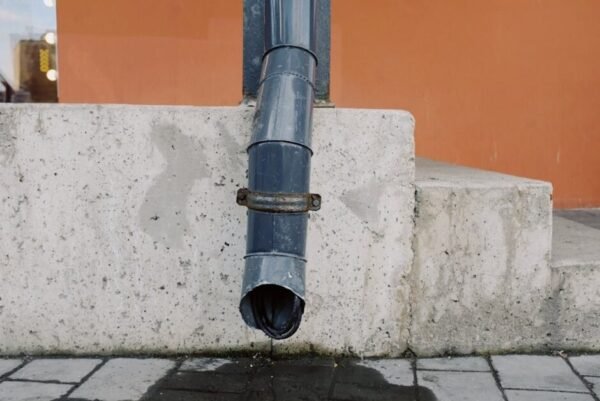
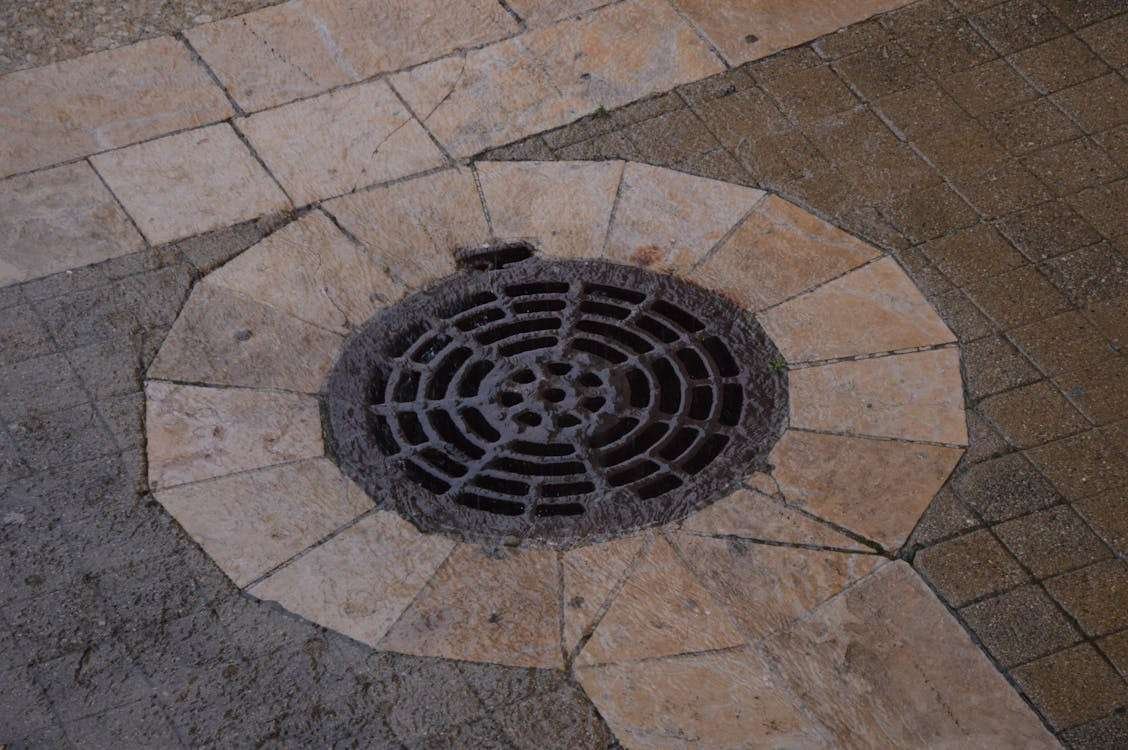
Drainage systems also involve several connected parts across the property. Downspouts, grading, and underground drains must work together to properly move water away from the home. When one component fails, the damage may appear elsewhere on the property. Because these hidden issues can become expensive over time, many homeowners choose to seek professional help before the damage worsens. If you are looking for a company that offers drainage services in St. Pete, there are plenty of options available. Working with experienced professionals can help homeowners identify the source of ongoing moisture problems and develop solutions that protect the property from long-term water damage.
Standing Water and Persistent Soggy Spots in the Yard
Standing water is one of the clearest signs of drainage issues on a property. After heavy rain, small puddles should normally dry up within a reasonable time. When water remains in the same areas for several days, it often indicates poor yard grading or compacted soil that prevents proper absorption. Low spots in the lawn may continue to collect runoff during every storm, gradually creating muddy and unusable sections of the yard.
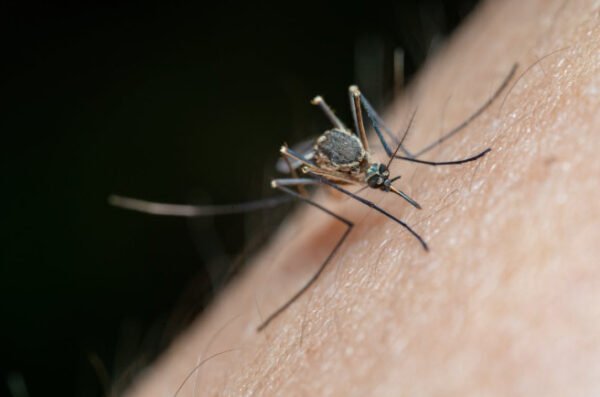
Persistent soggy areas can also affect the property’s health and stability over time. Excess moisture weakens grass roots, damages landscaping, and increases the risk of soil movement around the home’s foundation. Standing water may also attract mosquitoes and other pests that thrive in damp environments. Addressing these wet areas early helps homeowners maintain safer outdoor spaces while reducing the risk of later structural and environmental problems.
Foundation Cracks and Interior Wall Moisture
Foundation cracks often appear when excess groundwater builds pressure around the home. This pressure pushes against concrete walls and weakens structural materials over time. Small cracks may seem harmless at first, but they can allow moisture to enter the home during heavy rain. Homeowners may also notice peeling paint, warped flooring, or damp drywall near the lower sections of interior walls.
Interior moisture problems usually become more noticeable as drainage issues continue to worsen. Water infiltration can increase indoor humidity levels and encourage mold growth inside hidden areas of the home. Even minor foundation movement can affect door, window, and floor alignment. Addressing these warning signs early helps reduce the likelihood of expensive structural repairs later.
Basement or Crawl Space Odors and Dampness
Musty odors inside a basement or crawl space often indicate excess moisture beneath the property. Damp areas provide ideal conditions for mold and mildew to grow quickly, especially in humid climates with frequent rainfall. Homeowners sometimes ignore these smells because they develop gradually. However, persistent odors usually point to an ongoing drainage or ventilation issue that requires attention.
Excess moisture in crawl spaces can also damage wooden supports and insulation materials. Over time, wood rot may weaken important structural components beneath the home. Damp conditions can also attract insects and negatively affect indoor air quality throughout the property. Regular inspections help homeowners identify moisture buildup before it becomes a larger health or structural concern.
Soil Erosion and Disturbed Landscaping
Poor drainage can gradually wash away soil during storms and heavy rainfall. Fast-moving runoff often removes mulch, damages flower beds, and exposes plant roots near the home. Homeowners may also notice uneven ground, shallow trenches, or shifting stones around walkways and landscaping features. These problems not only affect curb appeal but may also create safety hazards across the property. In severe cases, erosion can even make outdoor areas difficult to maintain or safely use after heavy rain.
Erosion can become more serious when water repeatedly flows toward the same areas. Over time, soil loss may affect patios, driveways, and sections near the foundation. Damaged landscaping also increases maintenance costs because homeowners must continually replace plants, soil, and decorative materials. Excess runoff may also weaken the stability of retaining walls and other hardscape features. Properly managing water flow helps preserve the appearance and stability of outdoor spaces.
Protecting Your Home From Long-Term Water Damage
Drainage problems rarely improve without proper attention. Standing water, foundation cracks, musty odors, soil erosion, and overflowing drain lines all indicate moisture issues that can gradually damage a property. Early detection allows homeowners to address these warning signs before repairs become more extensive and expensive. Consistent maintenance also helps preserve landscaping, indoor comfort, and structural stability. Even small drainage improvements can make a noticeable difference in preventing long-term property damage.
A well-drained property supports both the safety and value of a home. Properly managing water flow reduces the risk of mold growth, pest activity, and foundation damage during heavy rainfall. Homeowners who regularly monitor their property can often prevent minor drainage issues from becoming major structural concerns. Routine inspections after storms can also help identify developing problems before they spread further. Keeping moisture under control creates a healthier, more comfortable living environment year-round.