



What to Check Around Your Home Before Peak Mosquito Season Arrives
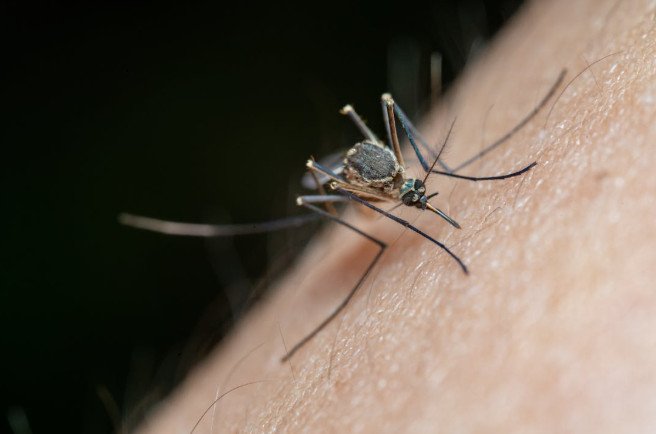
Mosquitoes do not need much time or space to become a problem. A small amount of standing water left untouched for several days can turn into a breeding area, especially during warm and humid weather. Many homeowners notice mosquito activity around patios and backyards every summer, yet the source often sits much closer to the house than expected. Overflowing gutters, damp landscaping, clogged drains, and forgotten containers all create conditions mosquitoes prefer.
The frustrating part is that these issues usually build up quietly over time. By the time mosquitoes become noticeable, several areas around the property may already support breeding and resting activity. A quick seasonal check around the home can reduce those conditions early and make outdoor spaces far more comfortable before mosquito season reaches its peak.
Check the Yard After Heavy Rain
Rainfall changes a yard quickly, especially in areas where water drains slowly. Many homeowners look for large puddles and miss smaller spots that hold moisture for days. Mosquitoes can breed in shallow water trapped inside folded tarps, plant trays, toys, buckets, and even uneven patio surfaces. Walking around the property after rain helps you catch these problem areas before they become active breeding spots.
Beyond common containers, irregular lawn conditions can also contribute to pest activity. Soil that stays overly saturated due to poor drainage or thick organic buildup may attract various burrowing animals that thrive in damp environments. When the ground is soft and moisture-rich, it becomes much easier for sub-surface pests to create tunnels and search for food. Homeowners who notice sudden ridges or mounds in their yard during these wet periods may need to consider professional mole pest control in Louisville to protect the root systems of their grass and landscaping. Addressing these drainage issues promptly helps maintain a healthy lawn while reducing the hidden habitats where insects and other small animals congregate.
Pay attention to corners of the yard that stay damp longer than others. Areas under decks, near fences, or beside sheds often collect moisture without drawing much attention. It also helps to check outdoor furniture covers because water frequently settles into low pockets there. A simple five-minute inspection after storms can prevent mosquito activity from building up around the home during the hottest months of the year. Pest professionals often recommend Integrated Pest Management (IPM) because it focuses heavily on prevention and reducing breeding conditions early. That is a major reason homeowners benefit from understanding how Integrated Pest Management (IPM) works for long-term mosquito control.
Clear Out Clogged Gutters Early
Gutters create one of the most overlooked mosquito problems around a home. Leaves, dirt, and roof debris slow water flow and leave damp buildup sitting inside the gutter channel. Once temperatures rise, stagnant water inside clogged gutters creates ideal conditions for mosquito breeding. Many homeowners do not notice the issue because the water sits above eye level and stays hidden until drainage problems become obvious.
Checking gutters before peak mosquito season saves trouble later in the summer. Look for sagging sections, overflowing corners, and water stains near downspouts. These signs usually point to poor drainage. Cleaning gutters thoroughly and flushing them with water helps remove trapped debris completely. It is also worth checking whether downspouts direct water too close to the foundation or lawn, since that runoff can create wet areas that mosquitoes use throughout the season.
Pay Attention to Water Features
Birdbaths, fountains, and decorative ponds often become mosquito breeding areas when water sits still for too long. Many homeowners assume clean water will not attract mosquitoes, but mosquitoes care more about stagnant conditions than appearance. A birdbath left untouched for several days can support mosquito larvae even when the water looks clear.
Changing water frequently helps interrupt the breeding cycle before larvae mature. Moving water also makes a difference. Fountains with proper circulation create fewer opportunities for mosquitoes to settle and reproduce. If your yard includes a pond or decorative feature that cannot be emptied regularly, routine maintenance becomes even more important. Remove leaves, algae, and debris that collect around the edges because organic buildup creates favorable conditions for insects. Homeowners who maintain outdoor water features consistently usually notice fewer mosquito problems throughout the season.
Trim Back Thick Landscaping
Mosquitoes spend much of the day resting in cool, shaded areas before becoming active later in the evening. Overgrown shrubs, dense hedges, and thick vegetation create ideal hiding spots close to patios, entryways, and outdoor seating areas. When landscaping grows unchecked, airflow decreases and moisture stays trapped longer after rain or watering.
Start by trimming plants near windows, doors, and walkways where people spend the most time. Focus on areas where branches crowd together tightly because those shaded pockets often hold humidity throughout the day. Removing yard debris also helps since piles of leaves and grass clippings create damp shelter for insects. Keeping landscaping neat does more than improve appearance. It changes the environment around the home and reduces the cool resting areas mosquitoes depend on during warm weather. Regular trimming throughout the season helps prevent mosquito activity from steadily increasing around outdoor living spaces.
Repair Screens and Small Gaps
Mosquito prevention should include the inside of the home as well. Tiny tears in window screens or worn door seals allow mosquitoes to enter easily, especially during the evening when doors open more often. Many homeowners notice mosquitoes indoors during summer and assume they came in accidentally, when damaged screens usually cause the problem.
Inspect screens carefully around the edges where mesh commonly pulls loose from the frame. Sliding doors and older windows often develop small gaps over time that people miss during routine cleaning. Replacing damaged mesh and repairing loose seals helps keep mosquitoes outside where they belong. It also reduces the need for indoor sprays or bug zappers later in the season. A quick inspection before peak mosquito activity begins can prevent constant frustration once warmer weather settles in for several months.
Watch Areas Around Trash and Compost
Trash storage areas often create conditions that attract insects when moisture and organic material build up together. Mosquitoes usually gather near these spots because leaking bins, damp cardboard, and wet debris create humid conditions with limited airflow. Compost piles can also hold moisture for long periods, especially after rain or heavy watering nearby.
Check outdoor trash bins regularly for standing liquid at the bottom. Cleaning bins with soap and water helps remove residue that traps moisture and odors. Compost should stay balanced and properly covered to avoid becoming overly wet. It also helps to avoid piling mulch too heavily around landscaping because thick mulch layers hold moisture underneath for extended periods. These areas may seem unrelated to mosquito control at first, but reducing damp organic buildup around the property supports a cleaner outdoor environment and limits common mosquito resting spots.
Mosquito problems rarely appear overnight. In most cases, conditions around the home gradually become more favorable for breeding and resting activity as temperatures rise and moisture builds up. Gutters fill with debris, lawns stay wet longer, clutter collects rainwater, and landscaping grows thicker during the warmer months. These small issues often go unnoticed until mosquito activity becomes difficult to ignore.
Checking your property before peak mosquito season arrives gives you the chance to fix those conditions early. Regular yard inspections, better drainage, cleaner outdoor spaces, and simple maintenance habits can reduce mosquito activity around the home throughout the season. The goal is not perfection. Consistency matters more. Small preventative steps completed regularly usually make outdoor spaces far more comfortable once summer weather settles in.