


Sustainable Mulching Solutions for Modern Yards
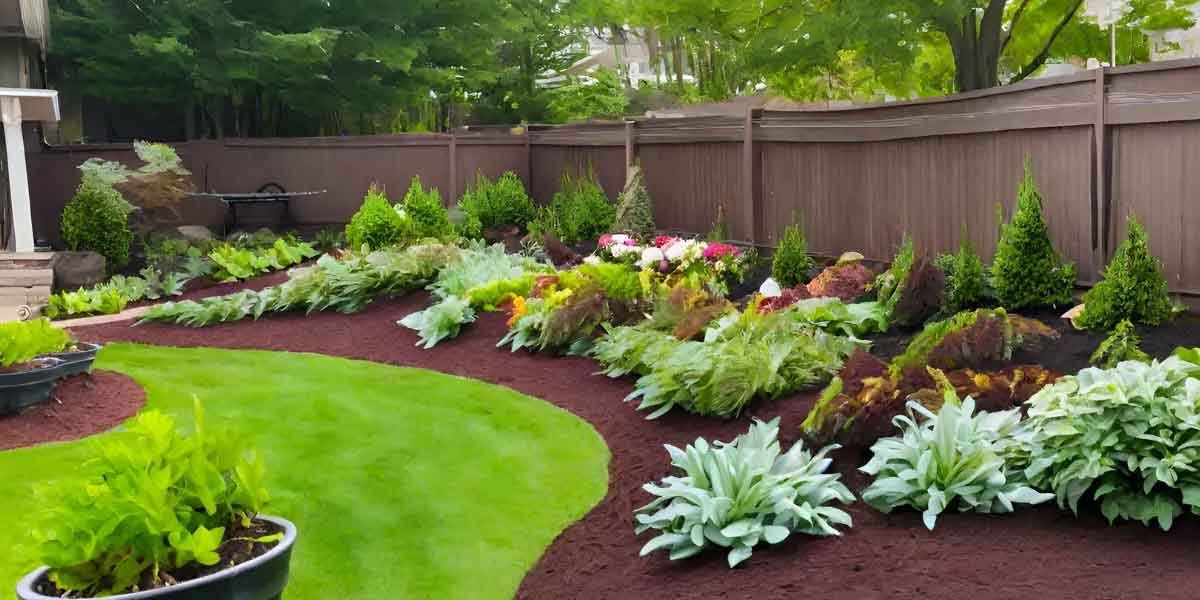
Mulching plays a crucial role in sustainable landscaping, elevating the health, beauty, and resilience of any yard. Beyond adding a polished look, mulching helps retain soil moisture, suppresses weeds, and reduces maintenance, making it ideal for both busy homeowners and eco-conscious gardeners. When considering a transformation for your outdoor space, exploring bulk mulch solutions can streamline the process, ensuring consistent coverage and quality.
By choosing eco-friendly mulch and mindful application, you support soil health and environmental sustainability. Proper mulching improves garden appearance and aids water conservation and weed control. Selecting effective materials is crucial for your yard and natural resources. Sustainable mulch builds resilient soils, reflecting a commitment to garden health and environmental responsibility. As climate change and drought pose challenges, mulching remains essential for thriving landscapes. For homeowners, sustainable mulching offers benefits beyond aesthetics.
Benefits of Mulching
Applying mulch to your landscape offers significant advantages that enhance the health and sustainability of yards and gardens. It aids moisture retention by slowing evaporation and reducing the need for frequent watering, particularly during dry seasons. Mulch also serves as a physical barrier, suppressing weeds by blocking sunlight from reaching their seeds. Additionally, it regulates soil temperature, keeping roots insulated from extreme heat in summer and cold in winter. Organic mulches enrich soil as they decompose, gradually adding nutrients and improving soil texture. Lastly, mulch plays a crucial role in erosion control by mitigating rainfall impacts, thereby preventing soil erosion and runoff around garden beds.
Proper Mulch Application Techniques
The best mulching results come from applying mulch properly across your yard or garden:
- Weed and Clear: Thoroughly remove existing weeds and any debris from the area before spreading mulch to ensure an effective barrier.
- Layer Evenly: Spread mulch to a depth of 2-4 inches, as this is sufficient for weed suppression while allowing roots to breathe. A layer that is too thick can cause rot, while one that is too thin may not protect effectively.
- Avoid Plant Crowding: Leave 2-4 inches of space around the base of trees, shrubs, and perennials to avoid rot, mildew, and pest problems.
- Annual Refresh: Most organic mulches break down over time. Replenish levels each year to maintain coverage and garden health.
Choosing Sustainable Mulch Materials
Opting for environmentally responsible mulch materials ensures long-term benefits for both your landscape and the broader ecosystem. The best choices will be locally sourced, biodegradable, and safe for soil and plants. Key sustainable options include:
- Organic Mulches: These include wood chips, bark, compost, and straw. Their decomposition enriches the soil with essential nutrients and promotes healthy microbial life. Compost, for instance, not only stifles weeds but also feeds your soil.
- Biodegradable Mulches: Materials like grass clippings or leaf mold break down rapidly, providing quick nutrient boosts and protecting young plantings. Garden Design suggests that biodegradable mulches are ideal for promoting immediate soil health without leaving long-term waste.
- Recycled Mulch Products: Choosing mulch made from recycled wood or bark reduces waste and supports local recycling industries. This further minimizes environmental impact by reusing valuable resources.
Seasonal Mulching Tips
Adjusting your mulching approach for each season maximizes its effectiveness:
- Spring: Mulch after soils warm to help retain moisture and stop weed seeds from sprouting as temperatures rise.
- Summer: Ensure a consistent mulch layer to reduce evaporation, keep roots cool, and lessen the impact of drought or heatwaves.
- Fall: Add or top up mulch to insulate roots against the coming winter cold and minimize soil erosion during fall rains.
- Winter: Check mulch thickness and add as needed to guard against freeze-thaw cycles and winter desiccation.
Common Mulching Mistakes to Avoid
Frequent mulching pitfalls can adversely affect landscape health. Key issues include over-mulching, which suffocates plant roots and encourages root rot or fungal growth; mulch volcanoes, where excessive mulch is piled against tree trunks, leading to decay and pest infestations; and the use of inappropriate materials such as fresh grass clippings or diseased plant debris that can harbor pests and introduce diseases to plants. Awareness and proper mulching practices are essential to maintain a healthy landscape.
Integrating Mulching into Sustainable Landscaping
Mulching is a vital element of sustainable gardening that synergizes effectively with various practices. Firstly, in conjunction with native plantings, mulch creates optimal conditions for native species while simultaneously suppressing the growth of invasive weeds. Additionally, it plays a crucial role in water-wise gardening by minimizing evaporation, thus supporting drought-resistant landscapes and conservation efforts. Furthermore, when integrated with soil health initiatives such as composting, mulching contributes to improved soil structure, increased fertility, and enhanced garden resilience against pests and climate change.
Conclusion
Adopting sustainable mulching practices transforms your yard, creating a space that is robust, attractive, and easy to care for. By carefully choosing and applying the right mulch, you contribute to planetary health and create a vibrant outdoor retreat that thrives throughout the seasons. Sustainable mulching is one of the smartest, simplest ways to protect both your landscape and the environment for years to come.