



Pet Safe Mosquito Control for Your Yard: What Works Without Harming Dogs and Cats
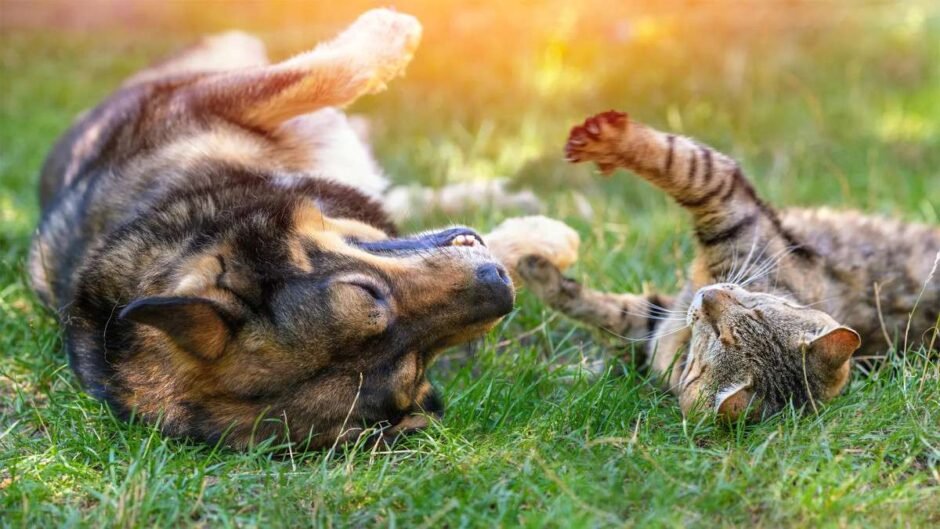
You want to sit on the patio without getting eaten alive. You also have a dog that licks the grass and a cat that chews on plants. Standard mosquito sprays from the hardware store are not designed with pets in mind, and many contain pyrethroids that are moderately safe for dogs but highly toxic to cats.
The good news is that the most effective mosquito control method costs nothing and is completely pet safe: eliminating standing water. Everything else is secondary. Here is how to control mosquitoes in your yard without putting your animals at risk, ranked from safest to use-with-caution.
Tier One, Completely Safe: Eliminate Standing Water
Mosquitoes lay eggs in standing water. A single female lays up to 300 eggs in her two-week lifespan. The eggs hatch in 24 to 48 hours. The larvae develop into biting adults in seven to ten days. Eliminating standing water breaks this cycle before it starts, uses no chemicals, and costs nothing.
Walk your yard with a critical eye after it rains. Check these locations, which account for the vast majority of residential mosquito breeding. Clogged gutters holding water in leaf debris. Plant saucers under potted plants. The rim of the dog’s outdoor water bowl if it is not changed daily. Children’s toys, buckets, and wheelbarrows left outside. Tarps covering woodpiles or equipment that sag and hold puddles. Bird baths that are not emptied and refilled every two days. Low spots in the lawn that puddle for more than 48 hours after rain. The drainage tray under outdoor AC units.
For items you cannot empty, such as bird baths and rain barrels, add a mosquito dunk containing Bacillus thuringiensis israelensis, abbreviated as BTI. BTI is a naturally occurring soil bacterium that produces a protein toxic to mosquito larvae but harmless to pets, birds, fish, wildlife, and humans. The dunks look like small donuts and float on the water surface. One dunk treats up to 100 square feet of water surface and lasts 30 days. They cost about $10 for a pack of six at any hardware store.
For low spots in the lawn that puddle, improve drainage. Aerate compacted soil with a core aerator. Add topsoil to fill depressions. If the low spot is near a downspout, extend the downspout away from the house or add a French drain. These are one-time fixes that eliminate mosquito breeding permanently without any ongoing chemical input.
Tier Two, Pet Safe Within Hours: BTI and Essential Oil Sprays
BTI Granules for the Whole Yard
BTI is also available in granular form for broadcast application across the lawn and garden beds. The granules release BTI when watered, and the bacteria kills mosquito larvae in any moisture in the grass, mulch, and soil. This is safe for pets immediately after application. Dogs can walk on treated grass and cats can groom themselves after contact. BTI targets mosquito and fungus gnat larvae specifically and has no effect on mammals, birds, fish, or beneficial insects like bees and butterflies.
Apply BTI granules with a broadcast spreader every two to three weeks during mosquito season. A 20-pound bag covers approximately 5,000 square feet and costs $25 to $35. This is the most effective pet-safe broadcast treatment available for yard-wide mosquito control.
Essential Oil-Based Mosquito Sprays
Several commercial mosquito yard sprays use essential oils as the active ingredient rather than synthetic insecticides. Products containing cedar oil, peppermint oil, rosemary oil, geraniol, or lemongrass oil repel and kill mosquitoes on contact. They have no residual effect and must be applied more frequently than synthetic treatments, typically every two to three weeks during peak mosquito season.
These products are generally safe for pets once dry, which takes one to two hours after application. Keep pets inside during application and until the spray dries. Do not apply directly to plants your pets eat. The primary downside of essential oil sprays is cost and frequency. A concentrated bottle to mix in a hose-end sprayer costs $25 to $40 and covers approximately 5,000 square feet per application. Applied every three weeks for a five-month mosquito season, the annual cost is approximately $175 to $280.
Do not mix your own essential oil spray from bulk oils. Concentrated essential oils are significantly more potent than commercial formulations and can cause skin irritation, respiratory distress, and liver damage in cats and small dogs if directly contacted. Cats lack the liver enzyme to metabolize many essential oil compounds. Use only products specifically formulated and labeled for yard application.
Garlic Barrier Spray: A Pet-Safe Option That Actually Works
Garlic-based mosquito sprays repel mosquitoes by coating plant leaves and grass blades with garlic oil and juice. Mosquitoes avoid the scent. The garlic odor is detectable to humans for a few hours after application but dissipates quickly while remaining detectable to mosquitoes for two to four weeks.
Garlic spray is safe for pets. Dogs and cats can walk on treated grass immediately after it dries. It does not harm beneficial insects, though it may temporarily repel them from treated plants. Concentrated garlic barrier products cost $20 to $30 per bottle and cover approximately 5,000 square feet per application. The main downside is the temporary odor, which some people find unpleasant for the first 24 hours.
Professional Pet-Safe Mosquito Treatment: $75 to $150 per Visit
Most pest control companies offer mosquito treatment as a seasonal service. If you request pet-safe treatment specifically, they can use BTI-based products, essential oil formulations, or synthetic products with specific pet-safety protocols.
Professional mosquito treatment typically costs $75 to $150 per visit, applied every three to four weeks during mosquito season. A full season runs $500 to $900 for five to six treatments. Ask the company directly what active ingredient they use and how long pets must stay off the treated area. A pet-safe professional protocol will use BTI for larvae control and either an essential oil product or a synthetic pyrethroid with the instruction to keep pets inside for two to four hours until the product dries completely.
What to Avoid: Mosquito Products Dangerous to Pets
Pyrethroids and cats. Permethrin, cypermethrin, bifenthrin, and other synthetic pyrethroids are the most common active ingredients in consumer mosquito yard sprays. They are moderately safe for dogs when used as directed. They are highly toxic to cats. Cats lack the liver enzyme glucuronosyltransferase needed to metabolize pyrethroids. Even dried residue can cause tremors, seizures, and death in cats that walk on treated surfaces and groom their paws. If you have cats, avoid all pyrethroid yard products entirely.
Organophosphates. Products containing malathion or chlorpyrifos are older-generation insecticides still sold in some hardware stores for mosquito control. They are toxic to pets, wildlife, and beneficial insects. There is no safe application protocol for a yard where pets roam. Do not use them.
Foggers and misting systems for pet households. Automatic mosquito misting systems that spray insecticide on a timer deposit a thin layer of chemical across the entire yard. Pets are exposed every time they go outside. Even if the chemical is labeled pet-safe when dry, the cumulative exposure from daily contact over an entire mosquito season is unstudied and unregulated. Avoid these systems if you have pets that spend significant time in the yard.
Encourage Natural Mosquito Predators
Bats eat up to 1,000 mosquitoes per hour per bat. A single bat house mounted 12 to 15 feet high on a pole or building with southern exposure attracts a colony within one to two seasons. Bat houses cost $30 to $60 and require no maintenance. Do not mount them on trees, where predators can access them.
Dragonflies eat mosquitoes at both the larval stage in water and the adult stage in flight. A small garden pond with aquatic plants attracts dragonflies. Even a bird bath with floating plants helps. Avoid spraying any insecticide near water features that support dragonfly larvae.
Birds including purple martins, swallows, and chickadees eat adult mosquitoes. Bird houses and native plant landscaping attract these species. This is a slow solution. It takes a season or two to establish a predator population. But once established, it provides permanent chemical-free mosquito suppression.
Mosquito-Repelling Plants: They Help, but They Are Not Enough Alone
Citronella grass, lavender, marigolds, rosemary, basil, and catmint emit oils that repel mosquitoes when the leaves are crushed or brushed against. Plant them around patios, along walkways, and in pots near doors. The effect is localized. A citronella plant on the patio repels mosquitoes within a few feet of the plant. It does not protect the entire yard.
Catmint is notably more effective than synthetic DEET in some laboratory studies, but only when the oil is extracted and concentrated. The living plant provides mild repellency in its immediate vicinity. Plant it in pots near seating areas where people and pets congregate. Catmint is safe for cats. In fact, they will roll in it, which releases more of the oil. Just plant enough to survive the attention.
Treatment Timing for Maximum Pet Safety
Apply any mosquito treatment, including pet-safe ones, early in the morning or late in the evening when mosquitoes are most active and pets are typically indoors. This gives the product time to dry before pets go outside.
Water the lawn before applying BTI granules, not after. Moist grass holds the granules in place. If you water after application, you risk washing the product into concentrated puddles where pets might drink.
After any chemical treatment, including essential oil sprays, wait until the product is fully dry before allowing pets onto treated surfaces. This is typically one to two hours in warm weather. Touch the grass with the back of your hand. If it feels damp, it is not dry enough for pets.
Frequently Asked Questions
Can mosquitoes breed in my dog’s outdoor water bowl?
Yes, and this is one of the most common breeding sites in pet households. Mosquito eggs hatch in 24 to 48 hours. Change the water in outdoor pet bowls daily. Scrub the bowl with a brush to dislodge any eggs attached to the sides. Simply dumping the water and refilling without scrubbing may leave eggs behind that hatch after refilling.
Is mosquito treatment the same as flea and tick yard treatment?
No. Flea and tick yard treatments are typically broadcast applications of granular or liquid insecticides that target ground-dwelling pests. Mosquito treatments target flying adults resting in foliage and larvae in standing water. The products, application methods, and timing are different. A company offering a combined mosquito and tick treatment is usually applying a broad-spectrum synthetic pyrethroid. If you have cats, ask for the specific active ingredient before agreeing to a combined treatment.
Can I use BTI in a pond with fish?
Yes. BTI is safe for fish, aquatic plants, frogs, turtles, and all other pond life. It targets mosquito and black fly larvae specifically. Fish will eat the mosquito larvae before the BTI kills them, which is even better. BTI and fish work together. The fish eat the larvae. The BTI kills any larvae the fish miss in shallow areas they cannot reach.
How much does pet-safe DIY mosquito control cost per season?
For an average yard of 5,000 square feet, a full season of pet-safe mosquito control costs approximately $120 to $200 in DIY supplies. This includes two bags of BTI granules at $60 to $70 total, plus three to four applications of an essential oil or garlic spray at $60 to $130 total. Professional pet-safe treatment for the same yard costs $500 to $900 for the season. The DIY approach is significantly cheaper and equally safe when products are applied correctly. The trade-off is your time. Each application takes 30 to 60 minutes.