



How to Get Rid of Wood Roaches: Stop the Outdoor Invaders
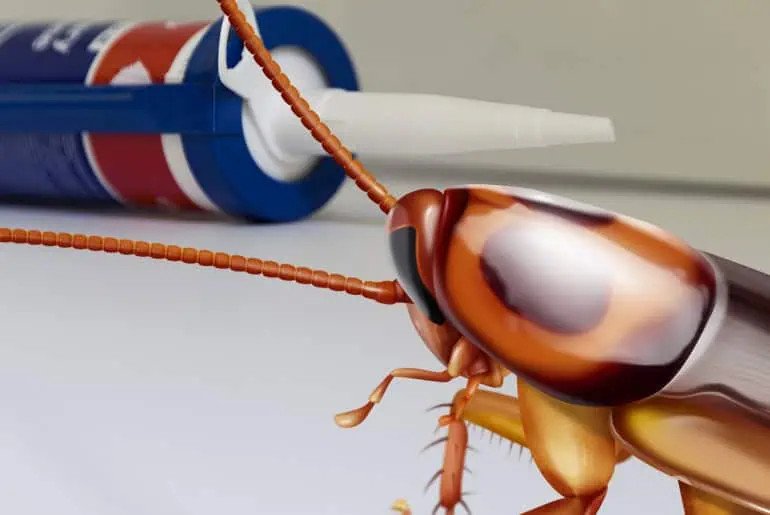
You found a reddish brown roach on the living room curtain. It has long antennae, and the males have wings that actually work. Unlike the small tan roaches that scatter under the fridge, this one probably flew in through an open window last night.
That is a wood roach. The good news: they do not infest your home, they do not breed indoors, and they do not require the gel bait and insect growth regulator protocol that German roaches demand. The less good news: they live in the woodpile, the mulch, and the tree stump twenty feet from your back door, and as long as that habitat exists, they will keep wandering in.
Getting rid of wood roaches means changing what is outside your house, not what is inside it. Here is how to identify them, how to stop them from coming in, and how to make your property less attractive to them in the first place.
First: Make Sure It Is Actually a Wood Roach
Wood roaches belong to the genus Parcoblatta. The most common species in the United States is the Pennsylvania wood roach, found throughout the eastern half of the country. They look different from the roaches most people panic about.
Wood roaches are reddish brown to dark brown, about three quarters of an inch to an inch long. Males have full-length wings and can fly, which is rare among cockroach species. They are attracted to light and will fly toward porch lights and windows at night, especially in late spring and early summer during mating season. Females have shorter wings and do not fly.
German cockroaches, by contrast, are smaller and tan with two dark stripes behind the head. They do not fly. They live entirely indoors. If the roach you found is dark brown, flies, and showed up near a window or door, it is almost certainly a wood roach. If it is small, pale tan, and ran under the refrigerator, it is a German roach and requires the indoor gel bait protocol instead.
Why identification matters: wood roaches cannot survive or reproduce indoors. They need decaying wood, moisture, and outdoor temperatures. A wood roach that wanders inside will die within a few days from dehydration. You do not need to treat the inside of your home. You need to stop them from entering and reduce the outdoor habitat that produces them.
Step One: Remove Their Outdoor Habitat
Wood roaches live in decaying wood. Rotting logs, firewood piles, mulch beds, tree stumps, dead trees, and leaf litter are all breeding sites. The closer these are to your house, the more wood roaches you will find inside. They do not travel far. Most wood roaches found indoors come from habitat within thirty feet of the door they entered through.
Move firewood at least twenty feet from the house and elevate it off the ground on a rack. A woodpile stacked directly on soil against the foundation wall is a wood roach apartment building with a direct walkway into your basement. Stack it on a metal rack, cover the top with a tarp to keep it dry, and keep it well away from the structure.
Replace organic mulch in garden beds immediately adjacent to the foundation with inorganic material. Stone, gravel, or rubber mulch within the first three feet of the foundation creates a dry zone that wood roaches are reluctant to cross. Organic mulch holds moisture and decays, which is exactly what wood roaches eat and live in. Pull mulch back from direct contact with the foundation wall.
Remove rotting logs, stumps, and dead branches from the yard. If you have a dead tree or large stump within fifty feet of the house, it is producing wood roaches every season. Have it removed or ground down. Decaying landscape timbers and old railroad ties used as garden edging are also common harborage sites. Replace them with stone or concrete.
Clean gutters and remove leaf litter from the foundation perimeter. Wet leaves trapped against the foundation provide food, moisture, and cover. Rake leaves away from the house each fall and keep the area within three feet of the foundation clear of organic debris year-round.
Step Two: Seal How They Get Inside
Wood roaches enter homes through the same openings every other pest uses. The difference is that males fly toward porch lights and windows at night, so entry points near light sources are priority targets.
Install or repair window screens. Any tear larger than an eighth of an inch is a door for a wood roach. Pay special attention to windows near porch lights, which attract flying males. Keep these windows closed at night during late spring and early summer mating season, even if you have screens. A wood roach will land on the screen and walk the perimeter until it finds a gap.
Seal gaps around doors with weather stripping and door sweeps. The gap under an exterior door without a sweep is the most common entry route. Install a sweep with a rubber fin that contacts the threshold along its entire length. Check the side and top weather stripping for gaps where light shows through. If you can see light around a closed door, a roach can walk through that gap.
Caulk gaps around exterior utility penetrations. Where the AC refrigerant line enters the house, where cable and internet lines pass through the wall, where the outdoor spigot pipe penetrates the foundation. These openings are often left unsealed by the original installer. Fill them with silicone caulk. Larger openings get copper mesh packed inside first, then caulk.
Check attic and crawl space vents. These should have quarter-inch galvanized hardware cloth screens securely attached, not plastic or fiberglass mesh that deteriorates in sunlight. Replace damaged vent screens. Wood roaches climb exterior walls and enter through attic vents, especially when trees overhang the roof.
Step Three: Manage Outdoor Lighting
Wood roach males are strongly attracted to light, which is unusual for cockroaches. They fly toward porch lights, landscape lighting, and lit windows after dark during mating season, which runs from late May through July in most regions.
Replace white and blue-spectrum outdoor bulbs with yellow sodium vapor or warm amber LED bulbs. Insects are less attracted to wavelengths above 550 nanometers, which corresponds to yellow, amber, and red light. A standard white LED porch light acts as a beacon. A yellow bug light reduces wood roach attraction by 60 to 80 percent without eliminating it entirely.
Position lights away from doors. A porch light mounted directly above the front door pulls flying roaches to the exact spot they can most easily enter when the door opens. Move the light fixture to a pole or wall bracket several feet from the door, or install downward-directed fixtures that illuminate the ground rather than broadcasting light in all directions.
Turn off exterior lights when not needed. During the May through July mating flight period, the simplest way to reduce wood roaches near the house is to keep porch and garage lights off unless someone is actively outside. Motion-activated lights are better than always-on lights because they illuminate for only a minute or two rather than all night.
What to Do When You Find a Wood Roach Inside
Do not panic and do not call an exterminator for indoor treatment. A wood roach found indoors is an individual that wandered in, not evidence of an indoor infestation. It will not breed. It will not establish a colony. It will die of dehydration within a few days if you do nothing.
Pick it up with a paper towel and flush it or take it outside. Vacuum it if you prefer distance. A single indoor wood roach in spring or early summer is normal in wooded areas. Finding one every night for a week means there is an entry point near a light source that needs sealing, not that you need to treat the interior.
Do not apply indoor gel bait, sprays, or dust for wood roaches. These products target German roaches that live and breed indoors. Wood roaches are not eating your food, not nesting in your cabinets, and not reproducing inside. Indoor chemical treatment for an outdoor species that wanders in occasionally is wasted money and unnecessary pesticide exposure.
When and How to Use Outdoor Pesticide for Wood Roaches
If habitat modification and sealing do not reduce wood roach numbers enough, a targeted outdoor perimeter treatment provides an additional barrier.
Apply a granular insecticide bait around the foundation perimeter in a band three to six feet wide. Products containing hydramethylnon or fipronil are effective against wood roaches. Water the granules lightly after application to activate them. Wood roaches foraging in the treated zone encounter the bait before reaching the foundation.
Apply a liquid residual insecticide as a perimeter spray along the foundation wall, around door and window frames, and along the roofline and soffits. Spray a band approximately two feet up the foundation wall and two feet out on the ground. This creates a treated barrier that kills roaches attempting to climb the exterior wall or enter through foundation-level gaps.
Treat woodpiles, mulch beds, and other harborage sites directly if they cannot be removed. A liquid insecticide applied to the underside of the woodpile or soaked into the top layer of mulch kills wood roaches in place. This is a suppression measure, not elimination. As long as the wood or mulch is decaying, new roaches will move in. Repeat treatment monthly during the active season.
Always follow the product label. Perimeter treatments should not be applied near wells, streams, ponds, or storm drains. Do not apply before heavy rain, which washes the product off target and into waterways.
Long-Term Prevention
Wood roaches are a seasonal nuisance, not a structural pest. The goal is to make your home less attractive and less accessible during the May through July flight period, then maintain barriers year-round.
Trim tree branches that overhang the roof. Males fly toward lights and land on branches overhanging the house, then drop or crawl onto the roof and find attic vents. Keep branches at least six feet from the roofline.
Maintain the dry zone around the foundation. Three feet of gravel or bare soil, no mulch, no leaf litter, no stacked firewood. This is the single most effective long-term measure for reducing wood roach encounters.
Inspect door sweeps, window screens, and vent screens each spring before mating season begins. Replace anything damaged over the winter. One torn screen on a window near the porch light produces a dozen wood roaches in the living room over a single summer.
Frequently Asked Questions
Can wood roaches infest my house?
No. Unlike German cockroaches, wood roaches cannot survive or reproduce indoors. They require decaying wood, high outdoor humidity, and temperature cycles that do not exist inside climate-controlled homes. A wood roach that enters your home will die within a few days from dehydration. Finding wood roaches indoors is a sign of outdoor habitat too close to the house and unsealed entry points. It is not a sign of an indoor infestation.
How do I tell a wood roach from a German roach?
Wood roaches are reddish brown to dark brown, three quarters to one inch long. Males fly toward lights. They appear near windows and doors, often at night in late spring and early summer. German roaches are smaller, pale tan with two dark stripes behind the head, cannot fly, and stay hidden in kitchens and bathrooms. If the roach is near a window and you have never seen one in your kitchen cabinets, it is probably a wood roach.
Should I spray inside for wood roaches?
No. Indoor insecticide treatment for wood roaches is unnecessary. They do not establish indoor populations. The chemicals used for indoor German roach treatment, including gel baits, insect growth regulators, and crack and crevice sprays, are designed for a species that lives and breeds inside. Applying them for wood roaches is an expense with no benefit. Focus on outdoor habitat modification and sealing entry points instead.
When should I call a professional for wood roaches?
Call a professional if you have modified outdoor habitat, sealed all visible entry points, installed yellow outdoor lighting, and are still finding multiple wood roaches inside per week.
Ongoing issues with unwanted visitors can sometimes be linked to local environmental pressures or hidden structural vulnerabilities that aren’t immediately obvious to the untrained eye. In regions where seasonal activity is particularly high, a more comprehensive approach to perimeter defense may be necessary to ensure long-term relief. Professional Pest control in Topeka can offer a detailed inspection of your property to identify these specific problem areas and implement targeted strategies. By addressing the root causes of the presence of insects outside, you can maintain a more comfortable indoor environment and reduce the likelihood of seeing them inside your home during the peak summer months.
A pest control professional can apply a targeted outdoor perimeter treatment, identify entry points you missed, and treat woodpiles or stumps you cannot remove. Expect to pay $150 to $300 for a one-time outdoor perimeter treatment for wood roaches. Do not let a company sell you an indoor German roach program for an outdoor wood roach problem.