



Classic Style Staples and How to Protect Them
Some pieces in a wardrobe quietly do most of the work. A well-cut blazer, a crisp white shirt, leather shoes that have been broken in just right, a wool overcoat that holds its shape through every season. These are the items people reach for when something matters, whether that means a job interview, a wedding, or a dinner that calls for a little extra effort. Classic staples earn their place because they refuse to go out of style, and they tend to look better the longer they stay in rotation. Treating them with care is not about being precious. It is about respecting the fact that good clothing rewards good habits, and a few small routines can stretch the life of a favorite garment by years.
Caring for Neckwear That Deserves Better
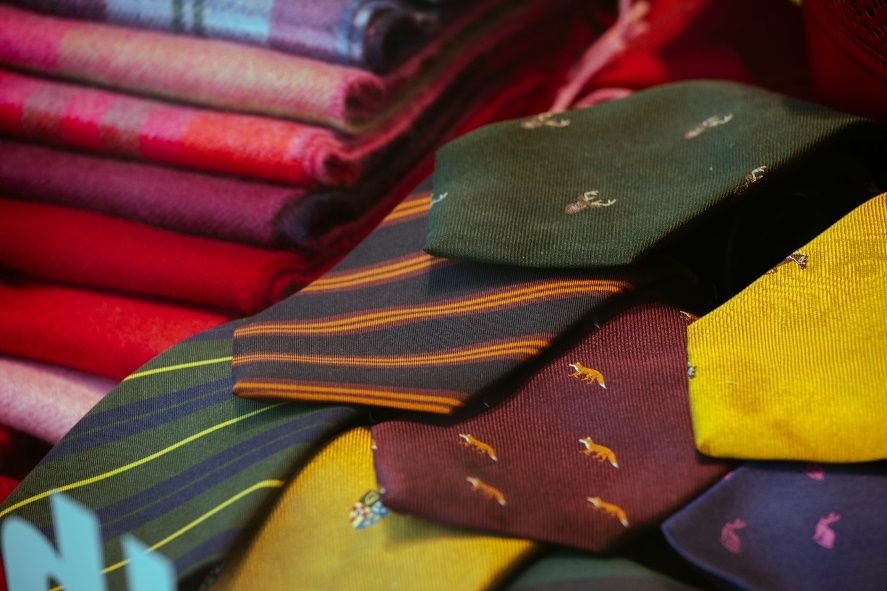
Few accessories carry as much quiet weight as a good necktie. The trouble is that ties sit directly under the chin, which puts them in the path of coffee, soup, salad dressing, and the occasional clumsy moment at a holiday party. A single stain on delicate fabric, like silk, can turn a treasured accessory into something that lives at the back of the drawer, untouched and slowly fading from memory. Professional silk tie cleaning services can restore the piece properly, since the material reacts badly to water, household detergents, and the heat of a standard washing machine.
Keeping Tailored Jackets in Shape
A tailored jacket holds its structure because of what sits between the outer fabric and the lining. Canvas, padding, and careful stitching give the chest and shoulders their form, and all of that can collapse if the garment is treated carelessly. Hanging a jacket on a thin wire hanger creates dents in the shoulders that never quite go away. Cramming it into a packed closet flattens the lapels and creases the back. A wide wooden hanger that follows the slope of the shoulders is a small investment that pays off every time the jacket comes out for wear. Brushing the wool gently after each use lifts away dust and surface dirt, which slows the buildup that eventually dulls the fabric.
Looking After Leather Footwear
Good shoes are built to last, but they need attention to actually get there. Leather is skin, and like skin, it dries out, cracks, and loses its finish without regular conditioning. A soft cloth, a quality cream, and a few minutes of work every couple of weeks will keep the uppers supple and the color rich. Cedar shoe trees do quiet but important work by absorbing moisture from the day and helping the leather hold its original shape overnight. Rotating between two or three pairs gives each one time to dry out fully, which prevents the slow breakdown that comes from wearing the same shoes day after day. Rain calls for extra care, since water leaves mineral marks as it dries.
Protecting Shirts and Fine Cottons
White shirts pick up stains faster than almost anything else in a closet, and the wrong response can lock the mark into the fabric forever. Hot water sets most stains, especially anything involving protein like sweat, blood, or dairy. Cold water and prompt attention give the best chance of a clean recovery. Collars and cuffs wear out long before the rest of the shirt, so washing inside out and skipping heavy starch will slow that decline. Ironing while the fabric is still slightly damp produces a much sharper finish than ironing a fully dry shirt, and it puts less stress on the cotton fibers.
Wool, Cashmere, and the Quiet Damage of Moths
Knitwear feels indestructible in the moment, but it has a quiet enemy that does its work in the dark. Moths and their larvae feed on natural fibers, and a forgotten sweater stored at the back of a closet can develop holes by the time it comes out the following season. Washing wool and cashmere before storage is the single most important step, because the insects are drawn to traces of body oil, food, and perfume rather than the wool itself. Storing clean knitwear in breathable cotton bags, with cedar blocks or lavender sachets tucked nearby, keeps the garments safe without the harsh smell of mothballs.
Outerwear That Carries the Weather
Coats take more abuse than almost anything else in a wardrobe. They sit in damp restaurant coat checks, get caught in sudden rain, and absorb every smell from kitchens to subway cars. A good coat deserves a proper hanger with a shaped shoulder, enough room in the closet to breathe between uses, and a thorough brushing at the end of each season. Wool overcoats benefit from professional cleaning once a year rather than every few weeks, since frequent solvent exposure thins the fabric over time.
Building Habits That Last
The pattern across all of these pieces is the same. Small, consistent care beats occasional emergency intervention every time. A few minutes after wearing, a thoughtful approach to storage, and a willingness to call in specialists for the jobs that demand them will keep a wardrobe of classics looking sharp for decades. Quality clothing was made to be lived in and lived with for a long time.