


Creating Family-Friendly Yards That Can Handle Everyday Activity
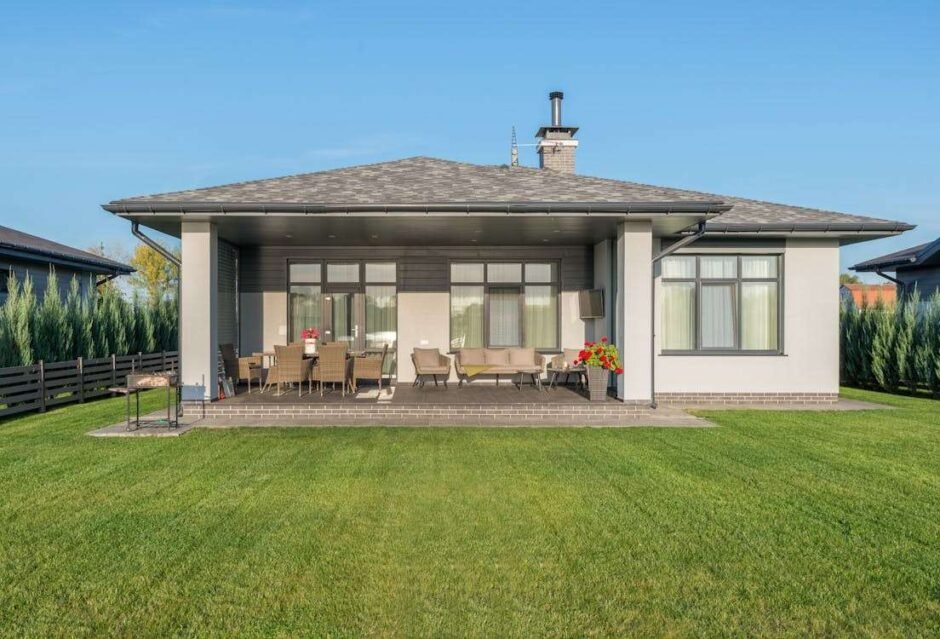
Watch a family backyard for a few days, and you’ll learn something interesting. The expensive decorative feature isn’t always the star of the show. The real action happens in the places nobody planned for. Kids create soccer fields where there weren’t any. Pets invent running tracks across the lawn. Parents drag chairs into whatever spot happens to catch the evening breeze. Before long, the yard starts revealing how it actually wants to be used.
That’s why family-focused outdoor design is changing. Homeowners are paying less attention to creating picture-perfect landscapes and more attention to creating spaces that survive real life. A great family yard welcomes activity without looking exhausted by it. The challenge is creating an outdoor space that can handle weekday chaos, weekend gatherings, spontaneous games, and quiet evenings all within the same footprint. Surprisingly, the answer often starts with understanding what happens under your feet.
Why Healthy Turf Matters in Active Backyards
Many family yards experience the same cycle. The lawn looks fantastic in early spring. Activity increases as the weather improves. Children start spending more time outdoors, pets become more active, and gatherings become more frequent. By late summer, certain areas begin showing signs of wear. Paths emerge where people naturally walk. Goal areas from backyard soccer games become thinner. The grass around favorite gathering spots starts struggling.
That’s why active households are beginning to think about lawns differently. Grass isn’t simply decoration anymore. It’s part of the infrastructure that supports outdoor living. Homeowners looking for ways to keep heavily used lawns healthy often find value in a sod maintenance guide because it provides practical insight into helping turf recover from regular use. Think about a backyard where children practice sports several evenings each week. Without a strategy for supporting lawn health, those activity areas can quickly become problem spots.
Designing Around Real Family Habits
One reason some outdoor spaces feel awkward is that they were designed around assumptions rather than observation. A homeowner may install a large seating area believing it will become the center of backyard activity, only to discover everyone naturally gathers somewhere else. Families often develop habits that no blueprint can predict.
The most successful yards usually start with a simple question: How does your family actually spend time outside? Maybe the kids always race from the back door to the trampoline. Perhaps the dog circles the same route around the yard every day. Maybe evening conversations always happen near a particular tree because that’s where the shade arrives first. Designing around those existing patterns creates spaces that feel natural.
Making Recreation Part of the Landscape
For years, many backyards treated recreation as something temporary. A soccer goal appeared for a few hours and then disappeared. Lawn games came out during gatherings and went back into storage afterward. Today, many homeowners are taking a different approach by building recreation directly into the design of the yard.
Imagine a backyard where open space isn’t leftover space. It’s intentionally preserved because it serves a purpose. A wide stretch of lawn may support soccer practice one afternoon, frisbee games the next day, and a family gathering over the weekend. Instead of filling every corner with decorative features, homeowners are creating landscapes that invite activity.
Why Every Yard Needs a Place for Messes
One of the biggest mistakes in family yard design is expecting every area to remain neat all the time. Families create messes. Kids build projects. Pets dig. Gardening activities spread soil. Water play leaves puddles. Outdoor creativity rarely stays perfectly contained. Rather than fighting that reality, many homeowners are creating spaces where mess is expected.
A dedicated area for messy activities can actually protect the rest of the landscape. Think of a corner designed for water games during summer, gardening experiments, art projects, or pet activities. Because those functions have a designated home, other sections of the yard experience less wear. Families gain the freedom to enjoy outdoor activities without constantly worrying about maintaining a perfect appearance. Ironically, accepting a little mess often helps the entire yard look better in the long run.
Planning for Traffic Before It Appears
Most lawn damage doesn’t happen because people dislike the grass. It happens because people consistently choose the same routes through the yard. Given enough time, family members will reveal exactly where pathways should have been. The evidence appears in worn strips of turf connecting doors, play areas, patios, and favorite gathering spots.
Smart yard planning anticipates those patterns before they become problems. Instead of waiting for the lawn to show signs of heavy use, homeowners are designing around expected movement. A family with young children may create durable routes connecting activity areas. A backyard frequently used for entertaining may include pathways that guide guests naturally through the space. This approach feels subtle, but it has a major impact.
Creating Dedicated Zones for Activity
One challenge many families face is that every activity ends up happening in the same place. The lawn becomes the soccer field, the gathering space, the dog park, and the birthday party venue all at once. This constant overlap creates wear and makes the yard feel crowded, even when there’s plenty of space available.
Homeowners are increasingly breaking their yards into activity zones rather than treating the entire property as one large open area. A section may be designed for active games, while another supports casual seating and conversation. A designated recreation area can absorb most of the heavy use, allowing the rest of the landscape to remain in good condition.
Keeping Kids Active Without Taking Over the Yard
Many parents want outdoor spaces that encourage movement, exploration, and play. At the same time, they don’t necessarily want every square foot of the property dominated by children’s activities. Finding that balance is becoming a major focus in family-oriented landscape design.
Some homeowners are creating play areas that feel connected to the overall yard rather than isolated from it. A climbing feature may sit near a seating area where adults can relax. Open space for games can remain visible without becoming the central feature of the entire landscape.
Designing for Different Energy Levels
One of the most interesting trends in backyard planning involves separating spaces based on energy rather than function. Traditional designs might create a dining area, a play area, and a garden area. Modern family yards often focus on creating zones that support different moods and activity levels instead.
Picture a backyard where one section naturally encourages movement and excitement while another encourages slower, quieter experiences. Children may be running around one side of the yard while someone enjoys a book in a shaded corner nearby. Neither activity interferes with the other because the landscape creates a subtle sense of separation.
The most successful family yards aren’t necessarily the neatest or the most carefully staged. They’re the ones that welcome everyday activity without losing their appeal. As homeowners focus more on how their yards are actually used, outdoor spaces are becoming more about creating room for the moments that happen there every day.