


Ways to Turn Your Backyard Into a Private Retreat
A backyard can feel strangely unfinished, even when expensive furniture has been placed around the patio and fresh grass has been planted. Something still feels missing. The space might look polished from a distance, though it does not invite anyone to stay for long. That quiet, stay-a-little-longer feeling is usually created through thoughtful details, soft boundaries and comfort-driven choices. A slow-living atmosphere can be built without turning the yard into a picture-perfect showroom.
Many homeowners have started leaning toward calm outdoor spaces because daily routines have become loud, packed and screen-heavy. A tucked-away chair beneath shade can suddenly become the most valuable part of a home. Have you noticed how certain outdoor spaces immediately lower the noise in the mind? That reaction is rarely accidental. A well-put-together retreat is shaped carefully, piece by piece and mood by mood.
Privacy Should Feel Natural, Not Boxed In
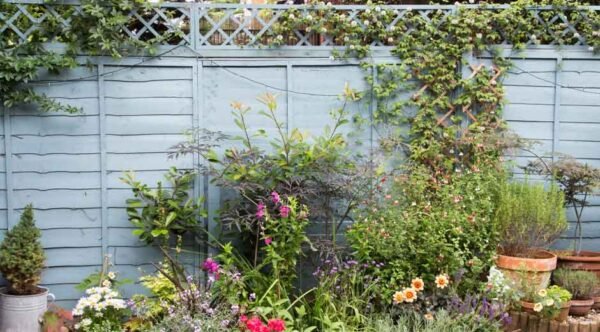
The best private backyards rarely feel closed off. Instead, privacy is suggested through layers, textures and placement choices that guide attention away from neighboring properties. Tall fencing may solve one issue, although it can leave the yard feeling stiff if nothing softens the edges. Natural materials are often preferred because a warmer atmosphere is created through wood, climbing greenery and stone pathways.
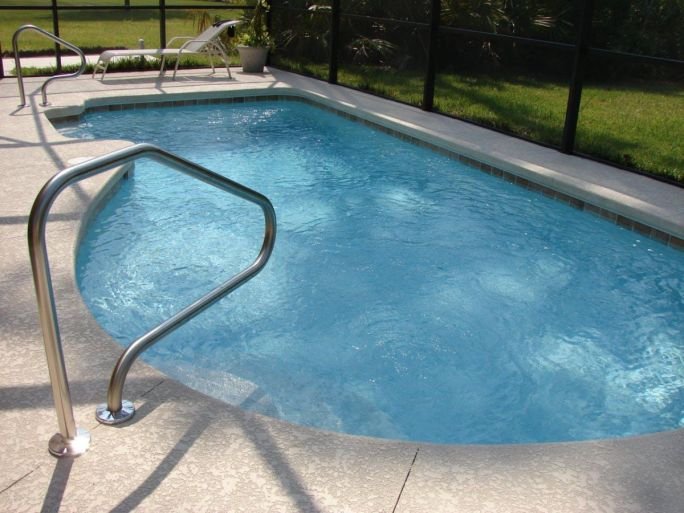
In many homes, a quiet corner is built around water features or shaded seating. Working with a reliable custom design pool builder is often preferred when homeowners want the space to feel more personal rather than copied from a catalog. Pools with curved edges, hidden lighting and built-in lounging sections tend to blend into the surroundings more naturally. The yard starts feeling lived in instead of carefully staged.
Sound matters too. Traffic noise and nearby conversations can pull attention away from relaxation. Small fountains, rustling plants and low-volume outdoor speakers are frequently added because background sound can reshape the mood of the entire yard.
Comfort Comes From The Little Things
A retreat cannot feel restful if comfort has been overlooked. Outdoor furniture is sometimes selected based on appearance alone and that mistake becomes obvious after twenty minutes of sitting. Cushions should feel supportive and fabrics should be chosen with weather in mind. Spaces that invite long conversations are usually designed around comfort first and appearance second.
Lighting also changes everything after sunset. Harsh floodlights often make outdoor areas feel exposed while softer layered lighting creates warmth. String lights, lantern-style fixtures and recessed step lighting are commonly used because they allow movement without making the yard feel overly bright. The atmosphere becomes calmer and calmer as evening settles in.
Temperature control should also be considered. In warmer states, shade structures are almost essential during summer afternoons. In cooler climates, fire pits or mounted patio heaters are often installed so outdoor areas remain usable during chilly nights. Why build a retreat that can only be enjoyed a few months each year?
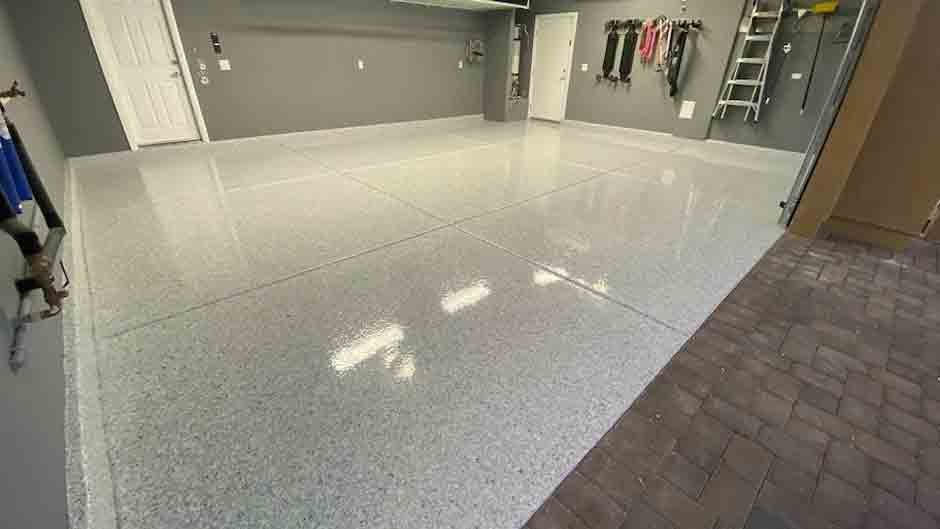
Texture plays a larger role than many people expect. Smooth concrete beside rough stone and soft cushions beside wooden surfaces create contrast that feels comforting.
Bring Nature Closer Without Making It Wild
Nature-inspired spaces are often more peaceful because they feel less controlled. That does not mean the yard should look neglected. Instead, plants should be arranged in ways that appear relaxed while still feeling intentional. A balance is usually preferred.
Native plants are frequently chosen because they adapt well to local weather conditions and require less maintenance. Dense greenery around seating areas can create a tucked-away atmosphere that feels private without relying entirely on fencing. Fragrant plants such as lavender, rosemary or jasmine are also popular since scent affects mood more than many homeowners realize.
A few thoughtful additions can completely change how the yard feels:
Hanging plants near seating areas for softness
Gravel walkways that create gentle sound underfoot
Raised garden beds for fresh herbs and color
Hammocks placed beneath shaded trees
Stone borders around flower beds for structure
Small bird feeders that encourage natural movement
Spaces Feel Better When They Have Purpose
Many backyards feel disconnected because everything has been placed randomly. A grill sits in one corner, chairs are scattered elsewhere and decorative pieces compete for attention. Retreat-like spaces usually work better when each section serves a purpose.
Dining areas should feel different from lounging spaces. Reading corners should feel separate from active gathering spots. This can be achieved through outdoor rugs, lighting changes or furniture placement. Subtle divisions make the yard feel organized without making it rigid.
Some homeowners create dedicated wellness areas with yoga decks or meditation corners. Others focus on entertainment zones with outdoor movie setups and built-in benches. The goal is not perfection. The goal is creating a yard that supports the way life is actually lived.
This idea has also become popular during home restoration projects because outdoor spaces are now viewed as extensions of the house rather than leftover land behind it. A backyard retreat can increase emotional comfort inside the home too. When outdoor areas feel calm, indoor spaces often feel less confined.
Storage should never be ignored. Clutter breaks the mood quickly. Hidden benches with built-in storage or compact sheds are commonly used so blankets, cushions and garden tools can be tucked away easily. Have you ever walked into a space that immediately felt stressful because too much was visible? Outdoor areas are no different.
A Backyard Retreat Should Reflect Real Life
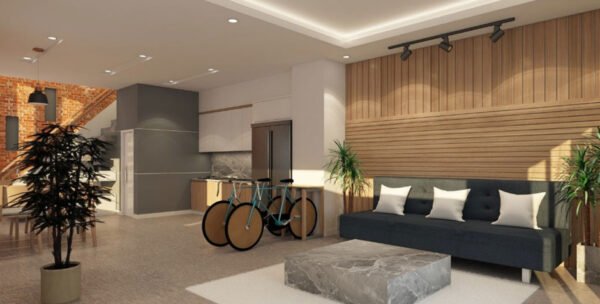
Personal taste matters more than trends. Some people prefer clean modern lines while others lean toward rustic materials and layered greenery. Both approaches can work beautifully when the space reflects the people using it. The retreat becomes believable because it feels connected to real routines.
In the end, privacy and comfort are not created through size alone. They are shaped through atmosphere, thoughtful details and spaces that invite people to pause. A backyard does not need to be massive or extravagant to feel meaningful. Sometimes the most peaceful retreat is built through quiet choices repeated again and again.