



Smart Strategies for Effective Brick Laying and Retrofitting
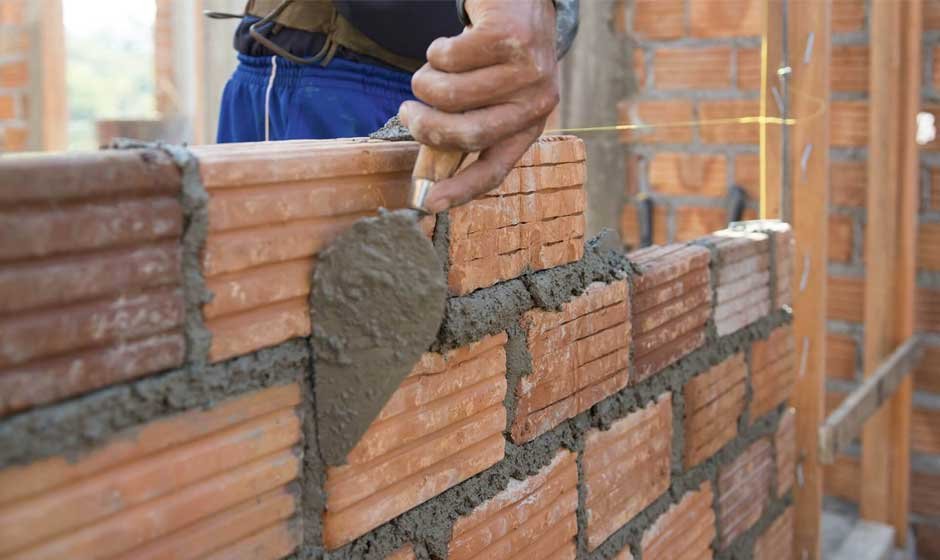
Table of Contents
- Overview of Brick Laying and Retrofitting
- The Importance of Proper Techniques
- Choosing the Right Materials
- Must-Have Tools for Brick Laying
- Popular Techniques in Brick Laying
- Retrofitting for Energy Efficiency
- Enhancing Property Value Through Quality Work
- Final Thoughts
Overview of Brick Laying and Retrofitting
The art of brick laying and retrofitting forms the backbone of many construction endeavors, seamlessly blending functionality with aesthetic appeal. Historically, these techniques have evolved from basic construction methods to sophisticated strategies that ensure buildings endure for generations. In many ways, the practices of bricklaying have been meticulously fine-tuned over time, employing both technological advancements and age-old wisdom to fortify structures against the challenges posed by nature and time.
Bricklaying encompasses much more than placing bricks in a stacked formation. It demands high accuracy, innovative thinking, and a comprehensive knowledge of structural principles to construct secure and aesthetically pleasing edifices. Simultaneously, retrofitting involves modernizing existing buildings and integrating new technologies and materials to enhance efficiency and lifespan. These processes complement each other, forming an essential part of any construction project focused on durability and aesthetic longevity.
The Importance of Proper Techniques
Ensuring the application of accurate techniques is paramount for achieving not just visual but structural integrity. The role of reliable construction methods extends beyond the immediate benefits of safety and aesthetics; they are central to preempting future problems like cracking, settling, or even structural failure. These risks underscore why mastering proper techniques is an essential investment for construction workers.
Reputable studies and industry reports show that implementing sound construction techniques significantly enhances the lifespan and value of buildings. Unlike quick fixes that may save time initially but lead to problems later, these practices are time-tested ways of ensuring that structures can endure the test of time while retaining their appeal. Even minor enhancements in technique can significantly improve the longevity and resilience of masonry work, making it an area of focus for all serious builders and homeowners.
Choosing the Right Materials
The choice of materials in a masonry project is as critical as the techniques employed. It influences the overall strength, appearance, and efficiency of the structure. Selection considerations should include the material’s compressive strength, thermal resistance, and aesthetic compatibility with the intended design. For example, engineering bricks are often chosen for their superior strength and water resistance, making them ideal for areas exposed to harsh weather elements.
Another essential factor is the energy efficiency offered by specific materials. Selecting insulated bricks enhances thermal efficiency and contributes to sustainability goals by reducing the energy required for heating and cooling. This decision can potentially result in considerable energy savings in the long run and corresponds with the rising focus on sustainable construction methods. As environmental factors gain greater importance, selecting materials that effectively combine longevity and ecological responsibility is prudent.
Must-Have Tools for Brick Laying
- Trowels – Used to apply and spread mortar evenly and skillfully.
- Spirit Level – Ensures that each brick is perfectly aligned horizontally and vertically.
- Brick Hammer – Essential for cutting and fitting bricks to size.
- Joint Raker – Utilized to create clean, professional lines in mortar joints.
These tools provide the precision and efficiency necessary for high-quality masonry work. Each tool is designed to tackle specific aspects of bricklaying, ensuring that the entire process results in a cohesive and stable structure. With advancements in tool technology, modern trowels, hammers, and levels further reduce the margin for error, enhancing both speed and accuracy.
Popular Techniques in Brick Laying
The art of bricklaying offers a variety of techniques, from traditional to innovative contemporary designs. Running bonds, often considered the cornerstone of simplistic yet strong constructions, remain popular for their straightforward implementation and strength. More intricate designs like the Flemish and English bond involve alternating patterns that enhance visual appeal and improve wall strength by evenly distributing load tensions.
Each technique involves specific stylistic and functional benefits, making them suitable for different projects. These techniques are indispensable to the masonry craft, whether enhancing a garden wall with a herringbone pattern or fortifying a home’s exterior with interlocking bonds. Mastery of these methods ensures both versatility and adaptability to meet diverse construction needs, allowing builders to achieve precise and visually appealing results.
Retrofitting for Energy Efficiency
Retrofitting has taken center stage in modern construction as more property owners and developers aim to meet sustainability goals. This process enhances current structures to boost their energy efficiency and overall functionality. By integrating enhanced insulation and sealing air gaps, retrofitting reduces energy consumption and helps maintain consistent indoor temperatures, thus increasing comfort.
Indeed, studies suggest that buildings that undergo retrofitting can considerably reduce energy use, making them economically and environmentally preferable. These initiatives play a vital role in lowering carbon emissions while substantially enhancing the market value of the building. As governmental bodies and private organizations increasingly advocate for sustainable construction practices, retrofitting emerges as a key approach to fulfilling these goals.
Enhancing Property Value Through Quality Work
Investing in high-quality bricklaying and retrofitting is an intelligent way to boost a property’s market value. Well-executed masonry work not only projects aesthetic elegance but also assures potential buyers of the property’s long-term resilience. This assurance is crucial, as a well-built home or commercial property often guarantees low maintenance costs and lasting quality.
With the growing demand for energy-efficient and architecturally sound properties, investing in superior masonry work maximizes market appeal and competitiveness. Moreover, as eco-friendly architecture becomes more desirable, properties outfitted with the latest retrofitting technology will appeal to environmentally conscious consumers and likely achieve higher pricing benchmarks in the real estate market.
Final Thoughts
In the construction world, bricklaying and retrofitting stand as testaments to the potential of combining time-honored techniques with modern innovation. By mastering the intricacies of these processes, selecting superior materials, and using efficient tools, builders can create beautiful, robust, and efficient structures that stand out. Considering these strategies is crucial in building not just homes or buildings but legacies — structures that tell the story of capability, care, and craft.
As bricklaying and retrofitting continue to evolve, the opportunities for creating sustainable and high-value buildings become more achievable, setting a new standard for what is possible in modern construction.