


Budget-Friendly Ways to Maintain Your Home
What if keeping your home in good shape didn’t mean draining your savings account every few months? Many Americans, including homeowners in places like Sheboygan, are asking that question right now as inflation lingers and everyday costs stay stubbornly high. Home maintenance often feels like a silent budget killer, creeping in through small repairs that add up fast. The good news is that smart habits and a bit of planning can stretch your dollars much further than you think.
Rethinking Maintenance in a Cost-Conscious Era
The rising cost of living has pushed homeowners to rethink how they care for their spaces. Instead of waiting for things to break, more people are shifting toward prevention, which is cheaper and far less stressful. This trend reflects a broader mindset change where households treat maintenance like routine health care rather than emergency surgery.
Simple habits like checking for leaks, cleaning filters, and sealing drafts can save hundreds each year. These tasks may not feel exciting, but they reduce the risk of major repairs. When money feels tight, consistency becomes your most valuable tool.
DIY Repairs That Actually Make Sense
Not every repair needs a professional, and knowing where to draw that line can protect your budget. Basic fixes like patching drywall, tightening loose hinges, or replacing weather stripping are manageable with online tutorials and inexpensive tools.
In smaller communities like Sheboygan, homeowners often lean on local advice and practical experience to keep costs down. Conversations with neighbors or quick chats at hardware stores tend to reveal that not every issue calls for immediate professional help. Even when dealing with something like garage door repair in Sheboygan, it becomes clear that while complex mechanical failures require a trained technician, routine upkeep, such as clearing debris from tracks or applying proper lubrication, can extend the system’s life. Recognizing where professional expertise is essential versus where basic upkeep suffices helps prevent unnecessary expenses while keeping everything running smoothly.
Preventive Care Beats Emergency Spending
Waiting until something breaks almost always costs more. A clogged gutter might not seem urgent, but it can lead to water damage that costs thousands to repair. Preventive care reduces these risks and spreads expenses out over time.
Regular inspections can be built into your monthly routine. Walk around your home, look for cracks, listen for unusual sounds, and test basic systems. These small checks take minutes but often catch problems early. Think of it as a quiet form of insurance that pays off when you least expect it.
Energy Efficiency as a Budget Strategy
Energy costs have become a major concern, especially with fluctuating utility prices across the U.S. Improving efficiency is one of the most effective ways to lower ongoing expenses without sacrificing comfort.
Sealing windows, adding insulation, and using smart thermostats can cut energy bills significantly. Even switching to LED bulbs makes a noticeable difference over time. These upgrades are not just trendy eco-friendly moves; they are practical financial decisions that align with the growing focus on sustainability and cost control.
Buying Smart Instead of Buying Cheap
There is a difference between saving money and spending less up front. Cheap materials often fail faster, leading to repeat purchases that cost more in the long run. Smart buying focuses on durability and value.
For example, investing in a high-quality faucet or appliance may seem expensive at first, but it reduces repair frequency. Scheduling routine appliance repairs early can prevent costly replacements and keep essential home systems running efficiently. Reading reviews, comparing warranties, and choosing trusted brands can prevent regret later. In today’s market, where supply chain issues still affect product quality, careful selection matters more than ever.
Using Community Resources and Shared Knowledge
One of the more interesting trends in recent years is the rise of neighborhood resource sharing. From local Facebook groups to tool libraries, communities are finding ways to reduce individual costs.
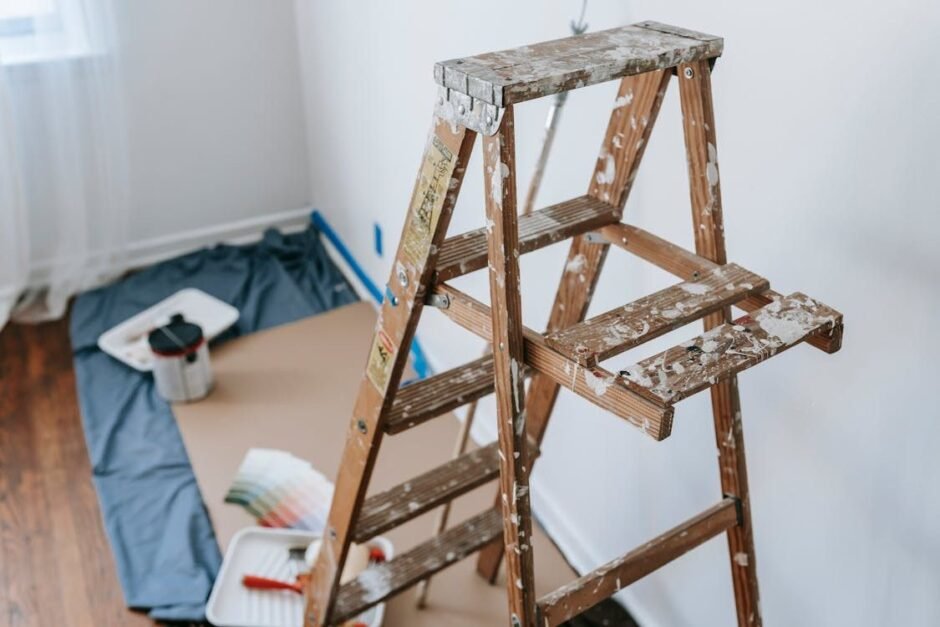
Borrowing a ladder instead of buying one or asking for repair advice from neighbors can make a big difference. This approach reflects a broader shift toward collaboration, especially as people look for ways to adapt to economic pressure. Sometimes the best solution is not spending at all but simply asking around.
Keeping a Maintenance Fund Without Stress
Setting aside money for home upkeep may sound difficult, especially with tight budgets, but even small contributions add up. A dedicated maintenance fund helps absorb unexpected costs without disrupting your finances.
Start with a modest monthly amount, even if it feels insignificant. Over time, it builds a cushion that turns emergencies into manageable expenses. This habit mirrors a larger financial trend where households prioritize flexibility and preparedness over reactive spending.
Home maintenance does not have to feel like an endless drain on your wallet. With a mix of prevention, smart decisions, and community support, it becomes something far more manageable. In a world where costs keep shifting and uncertainty feels constant, taking control of your home’s upkeep is one of the few areas where small actions can lead to lasting stability.