



How the Right Infrastructure Choices Can Shape Business Growth
You notice it the moment things start to slow down. Deliveries take longer, staff waste time moving things around, and small issues keep stacking up until the whole day feels off.
Most people blame growth for that kind of friction, but it is often something quieter, something sitting in the background. Infrastructure choices, the kind that do not get much attention early on, tend to shape how a business actually moves and adapts over time. They either support the work or quietly get in the way.
When Growth Outpaces the Setup
In the early days, almost any setup works. A small storage space, a basic workflow, maybe a rented unit somewhere on the edge of town. It gets the job done, and for a while, that is enough. But as operations expand, the same setup starts to feel tight. Things get stored in the wrong places, access becomes slower, and people start making small adjustments just to cope.
Those adjustments are rarely planned. They happen because something has to be done quickly. Over time, though, they add complexity. A task that once took ten minutes now takes thirty, and no one really questions it because it feels normal. That is usually the point where infrastructure is no longer supporting growth. It is quietly limiting it.
Space Decisions That Don’t Feel Urgent but Are
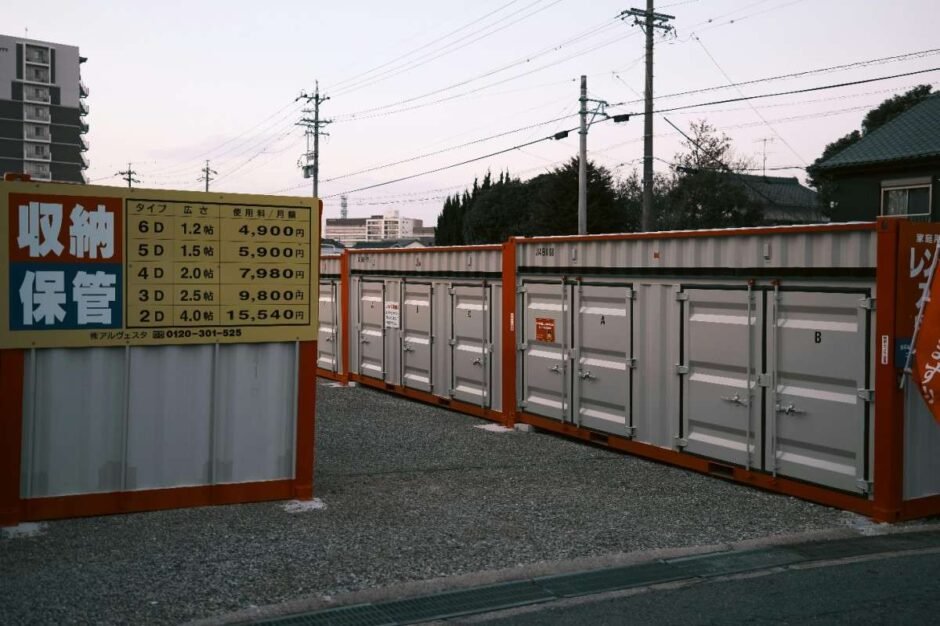
Business owners hesitate when it comes to physical assets. Committing to space or storage feels like a big step, so many prefer to delay it. Renting short-term solutions or improvising seems safer. It keeps things flexible. For this reason, businesses today prefer to buy shipping containers for their storage needs, instead of expanding their business facility.
These containers offer storage space without the need to invest in relocating to a bigger facility or building new storage. It’s a highly efficient and practical step to cover the gaps in storage space, which can prove to be a bottleneck in business operations.
The Cost of Small Inefficiencies
No one plans for inefficiency. It builds slowly, almost invisibly. A misplaced item here, a delayed shipment there, a bit of time lost walking back and forth across a poorly organized space. Each instance feels minor on its own.
When those moments are added together across weeks or months, they start to show up in more obvious ways. Deadlines slip. Staff get frustrated. Costs creep up without a clear reason. The business might still be growing, but it is doing so with extra weight.
Infrastructure choices play a direct role in this. The layout of a workspace, the accessibility of materials, and even the type of storage being used all influence how smoothly daily operations run. When these elements are aligned with actual needs, work tends to flow more naturally. When they are not, friction becomes part of the routine.
Flexibility Without Constant Disruption
There is a common belief that flexibility means keeping everything temporary. In reality, too much reliance on temporary setups can make a business feel unsettled. Systems are always being adjusted, and people never quite get used to one way of doing things.
True flexibility often comes from having a stable base that can be adapted when needed. This could mean modular storage, scalable workspaces, or systems that allow for gradual expansion instead of sudden changes. The key is consistency. When people know where things are and how processes work, they can adjust more easily when something changes. It is not about locking everything in place. It is more about creating a foundation that does not need constant fixing.
Infrastructure and Decision Fatigue
One part that gets overlooked is how infrastructure affects decision-making. When systems are unclear or inefficient, small decisions pile up. Where should this be stored, who handles that, and how do we manage overflow this week? These questions keep coming up, often for the same reasons.
Over time, that creates decision fatigue. Managers spend more time solving basic operational issues instead of focusing on growth or strategy. Teams start waiting for direction instead of acting quickly, because the system does not guide them clearly. Better infrastructure reduces that noise. It removes the need for repeated decisions by making processes more predictable. That does not mean everything becomes rigid, but it does mean fewer distractions.
The Quiet Link Between Infrastructure and Culture
It might sound like a stretch, but infrastructure also shapes how people feel at work. A well-organized space, where tools and materials are easy to access, tends to create a sense of control. People can focus on their tasks instead of working around obstacles.
On the other hand, cluttered or inconsistent setups can lead to frustration. It becomes harder to take ownership of work when the environment itself feels unstable. Small issues, like not finding what is needed on time, can affect morale more than expected. This is not something that shows up in reports, but it is felt daily. Over time, it influences how teams operate and how engaged they remain.
Planning for What Comes Next
Most businesses plan for growth in terms of sales or market reach. Infrastructure planning often lags behind. It is treated as something to adjust later, once growth is already happening. The problem with that approach is that changes become harder and more expensive once systems are already under pressure. Expanding storage, reorganizing workflows, or shifting locations takes more effort when everything is already in motion.
A more balanced approach is to think a step ahead. Not in a dramatic way, but in small, practical decisions. Choosing systems that can handle a bit more than the current demand. Setting up spaces that allow for gradual changes. Avoid setups that will need to be replaced entirely in a short time. It is not about predicting everything. It is about leaving room to adjust without starting over.
When infrastructure is aligned with how a business actually operates, growth tends to feel more manageable. There is less scrambling, fewer last-minute fixes, and more time to focus on what matters. That does not mean everything runs perfectly. Problems still come up, and adjustments are still needed. But the overall system supports those changes instead of resisting them.
In a way, the right infrastructure choices do not draw much attention. They work quietly in the background, keeping things steady while the business moves forward. And when that happens, growth feels less like a constant struggle and more like something that can be handled, step by step, without everything else falling apart.