



The Importance of Flexible Storage for Project-Driven Businesses
Project-driven businesses operate in environments where change is constant and often unpredictable. Construction firms, event organizers, and seasonal retailers frequently deal with shifting timelines, fluctuating inventory, and evolving client demands. These variables put pressure on operations, especially when storage and logistics are not aligned with the work’s pace. Delays in accessing materials or managing overflow inventory can slow down progress and increase operational costs.
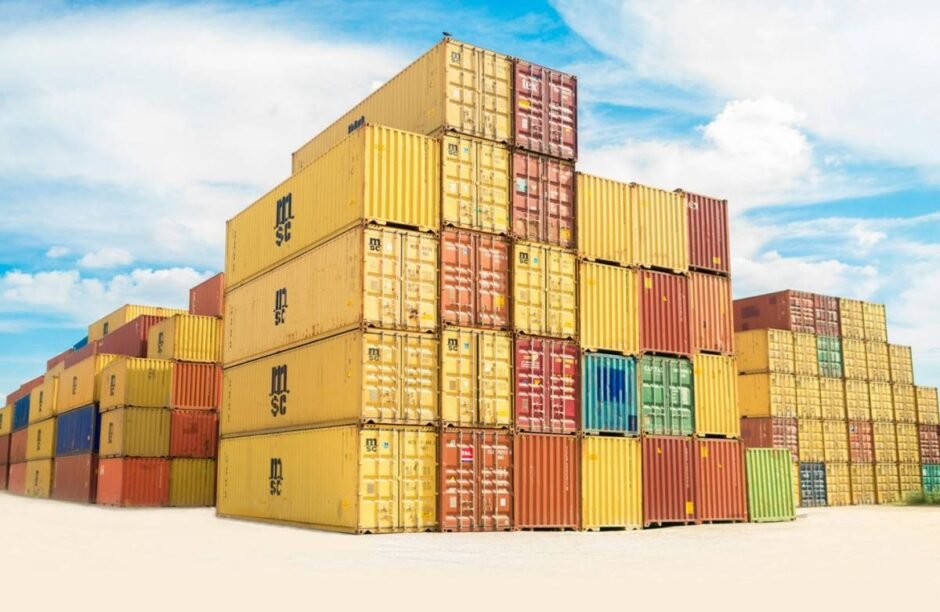
In regions with active trade and logistics networks, such as areas that rely heavily on port activity and containerized transport, businesses often encounter additional pressure to manage goods efficiently. As project scopes expand or contract, companies need storage solutions that can adapt just as quickly. Relying on fixed infrastructure rarely supports this level of responsiveness. Instead, businesses benefit from solutions that can adapt to the project and scale in real time to meet evolving needs.
Overcoming Scalability Challenges in Project-Based Work
Project-based operations rarely follow a predictable pattern. One phase may require minimal storage, while the next demands significant capacity for materials and equipment. Traditional warehouse leases often fail to accommodate these fluctuations, forcing businesses to either overpay for unused space or struggle with shortages during critical periods.
Many companies initially consider purchasing their own storage units to address these issues. However, ownership brings ongoing maintenance, transportation logistics, and long-term financial commitments. Shipping containers have emerged as a reliable storage option because they are durable, weather-resistant, and easy to position directly at project sites. They also provide a secure environment for tools and materials, reducing the risks associated with off-site storage. Renting these units further enhances flexibility by removing the burden of ownership. If you are looking for companies that rent shipping containers, there are plenty of options available.
Enhancing On-Site Accessibility for Better Workflow
Efficient workflows depend on immediate access to materials and equipment. When storage is located far from the project site, teams often face delays caused by transportation and coordination issues. These interruptions can slow down progress and increase labor costs, especially when workers must wait for essential supplies to arrive.
On-site storage addresses this challenge by placing resources exactly where they are needed. Teams can retrieve tools and materials without leaving the work area, thereby improving productivity and reducing downtime. It also simplifies inventory management, as items remain in a controlled and visible location. This level of accessibility supports faster decision-making and helps project managers maintain tighter control over daily operations.
Optimizing Cost Management with Flexible Storage Models
Cost management remains a priority for any project-driven business. Traditional storage solutions often require significant upfront investment, whether through purchasing facilities or committing to long-term leases. These capital expenditures can strain budgets, particularly when storage needs vary across projects.
Flexible storage models offer a more efficient alternative by shifting costs from capital expenditure to operating expense. Businesses only pay for the storage they actively use, improving cash flow and reducing financial risk. This approach allows companies to allocate resources more strategically, focusing on core project activities rather than maintaining underutilized assets. Over time, this level of financial control contributes to more sustainable and scalable business operations.
Ensuring Security and Durability for Valuable Assets
Project-based businesses often rely on expensive tools, machinery, and materials that must remain protected at all times. Leaving these assets exposed or in unsecured locations increases the risk of theft, damage, and unexpected losses. Even minor incidents can disrupt timelines and add unplanned costs to the project.
Durable storage solutions help reduce these risks by providing strong, weather-resistant structures suited to demanding environments. They protect against harsh conditions such as rain, heat, and dust while maintaining structural integrity. Secure locking mechanisms also provide peace of mind, allowing businesses to safeguard their assets without constant supervision.
Streamlining Transitions Between Job Sites
Moving between project locations can be complex, especially when it involves transporting equipment and materials. Without an organized system, businesses may face delays, misplaced items, and increased labor costs during transitions. These inefficiencies can delay the start of new projects and reduce overall productivity.
Portable storage solutions simplify this process by allowing businesses to move their storage units along with their operations. Materials remain packed and organized, reducing the need for repeated loading and unloading. This approach minimizes downtime and ensures that teams can quickly resume work at the next site without unnecessary disruption.
Supporting Sustainability and Reusability in Operations
Sustainability has become an important consideration in modern business operations. Companies are increasingly expected to reduce waste and use resources more responsibly. Traditional storage methods, such as building temporary structures for each project, often result in unnecessary material use and waste.
Reusable storage solutions offer a more sustainable alternative. They can be deployed across multiple projects, reducing the need for new construction and minimizing environmental impact. By adopting modular, mobile storage options, businesses can improve efficiency while aligning with sustainability goals and regulatory requirements.
Improving Operational Efficiency Through Adaptability
Adaptability plays a key role in maintaining smooth operations in project-driven industries. Unexpected changes in scope, timeline, or resource requirements are common, and businesses must respond quickly to stay on track. Rigid storage systems often limit this flexibility, creating bottlenecks that slow progress.
Flexible storage solutions allow companies to adjust their setup as conditions change. Whether expanding capacity or relocating resources, businesses can make quick decisions without disrupting workflows. This level of adaptability supports better planning, improves coordination, and helps teams maintain consistent performance throughout the project lifecycle.
Building Smarter Operations with Flexible Storage
Flexible storage solutions address several critical challenges faced by project-driven businesses. They support scalability, improve accessibility, and help manage costs more effectively. By reducing logistical constraints, these solutions create a more streamlined and responsive operational environment. They also enable better resource planning by aligning storage capacity with actual project requirements.
When storage aligns with project demands, teams can focus on execution rather than managing space limitations. This shift improves productivity and reduces delays across all stages of a project. Businesses that invest in adaptable storage strategies position themselves for long-term efficiency, allowing them to handle growth and change with greater confidence.