



The Auto Repair Shop Owner’s Guide to Improving Efficiency and Keeping Customers Happy Image source
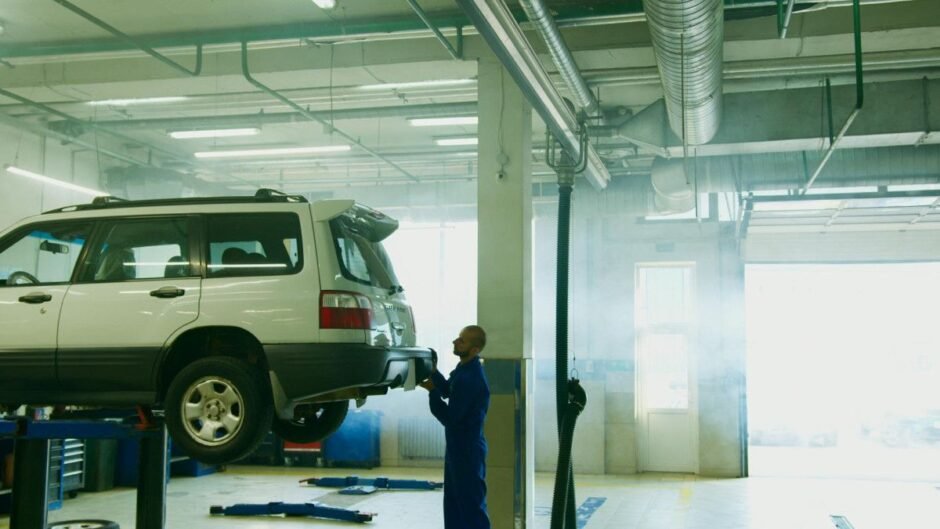
Auto repair shops stay busy all day. Cars pull in with warning lights on, customers want answers fast, and technicians move from one repair to the next without much downtime. When the workflow feels messy, everything slows down. Customers wait longer, staff get frustrated, and small mistakes start piling up. That kind of environment hurts business, especially when drivers have plenty of repair shops to choose from nearby.
People remember how your shop made them feel. If they get quick updates, fair timelines, and smooth service, they come back. If they sit around wondering what’s happening with their car, they start looking elsewhere. Running a successful shop comes down to staying organized while making customers feel respected from the second they arrive.
Here are some practical ways you can make your repair shop more efficient while keeping customers happy.
Ensure Your Garage Door Functions Properly at All Times
Your garage door handles nonstop movement every day. Cars come in, vehicles leave, parts get delivered, and technicians move equipment around constantly. When that door sticks, closes slowly, or refuses to open, the entire shop feels the delay. Customers notice it immediately, especially during busy hours.
A damaged garage door can also create safety issues. Heavy doors with worn springs or faulty tracks put employees and vehicles at risk. Cold air, rain, and dirt can enter the shop easily when the door does not seal properly. That affects comfort inside the garage and makes the workspace harder to manage.
Professional commercial garage door services help keep everything working correctly. Regular inspections catch damaged parts early before they shut down operations and leave your schedule completely backed up.
Invest in Better Communication With Customers
Customers do not like guessing what is happening with their vehicle. If hours pass without updates, frustration starts building fast. Even simple repairs feel stressful when nobody communicates clearly. That is why strong communication keeps customers calmer and more cooperative during the repair process.
You do not need long phone calls every hour. Quick text updates work well for most people. Let customers know when diagnostics are complete, when parts arrive, and when the vehicle will realistically be ready. Clear pricing conversations also prevent awkward disputes at checkout.
People appreciate honesty more than perfect news. If repairs take longer than expected, explain the reason clearly instead of avoiding the conversation. Customers are far more likely to return when they feel informed instead of ignored.
Keep the Shop Clean, Safe, and Professional
A cluttered repair shop slows everybody down. Technicians waste time searching for tools, work areas become harder to navigate, and safety problems start appearing everywhere. Oil spills, scattered equipment, and packed storage areas create stress during already busy workdays.
Customers notice cleanliness immediately. A tidy waiting room, an organized front desk, and a clean garage floor create confidence in your business. People naturally trust shops that look professional and controlled. It gives the impression that repairs are handled carefully instead of being rushed.
Use Shop Management Software to Reduce Manual Tasks
Paper schedules and handwritten invoices slow things down fast. Important information gets misplaced, appointment times overlap, and customer records become difficult to track. Shop management software keeps everything in one place, so your team spends less time sorting through paperwork.
Scheduling becomes easier because employees can quickly see available time slots and track progress. Digital estimates also speed up approvals since customers can review pricing directly from their phones. That cuts down on long back-and-forth conversations during busy hours.
Train Employees Regularly to Improve Performance
Cars keep getting more advanced, and that means your team cannot rely on the same repair knowledge forever. New vehicle systems, updated diagnostic tools, and hybrid technology require technicians to stay sharp. Without regular training, simple jobs start taking longer than they should.
Training also improves consistency inside the shop. Technicians follow better repair practices, service advisors communicate more confidently, and customers receive clearer explanations about repairs. That creates smoother interactions from start to finish.
You should also focus on customer service training, not just technical skills. A technician may do excellent repair work, but poor communication at the front desk can still push customers away.
Manage Inventory Without Overstocking Parts
Nothing slows down a repair shop faster than missing parts. A vehicle sits in the bay longer than expected, technicians lose momentum, and customers start calling for updates every few hours. Good inventory management helps you avoid those situations without filling the shop with unnecessary stock.
Keep track of the parts you use most often and monitor how quickly they move. Brake components, filters, fluids, and common replacement items should stay organized and easy to access. Random piles of inventory waste space and make employees spend extra time searching through shelves.
Reduce Customer Wait Times Whenever Possible
People get impatient quickly when their schedule gets interrupted by car trouble. If customers wait too long for inspections, updates, or final paperwork, the entire experience starts feeling stressful. Long wait times also create pressure inside the shop because employees rush to catch up.
Start by scheduling repairs realistically instead of packing too many appointments into one day. Giving customers accurate timelines prevents frustration later. It is better to promise a later pickup and finish early than leave somebody waiting hours past the expected time.
You can also speed things up with smoother check-in procedures and digital approvals. Customers appreciate fast service, especially when they are balancing work, school pickups, or other responsibilities.
Build Long-Term Customer Relationships
One-time customers keep the lights on for a day. Loyal customers keep your business stable year-round. When drivers trust your shop, they come back for maintenance, repairs, inspections, and future vehicle issues without shopping around first.
That trust comes from honesty and consistency. Customers remember when you explain repairs clearly without pushing unnecessary services. They also remember small things like follow-up messages, maintenance reminders, and friendly conversations during pickups.
Encouraging online reviews helps as well. Positive reviews give new customers confidence before they even call your shop. Referral business grows naturally when people feel comfortable recommending your service to family and friends.
Customers can tell when an auto repair shop runs smoothly. They notice when employees communicate clearly, repairs stay on schedule, and the garage feels organized instead of chaotic. That experience sticks with people long after they drive away.
A shop that operates efficiently creates less stress for everybody involved. The shops that keep growing are usually the ones that pay attention to everyday operations instead of constantly chasing shortcuts. Better organization, cleaner communication, and dependable service create a reputation customers trust when their car suddenly needs attention.