


Modern Bathroom Remodel Trends: Transform Your Space Into a Contemporary Sanctuary
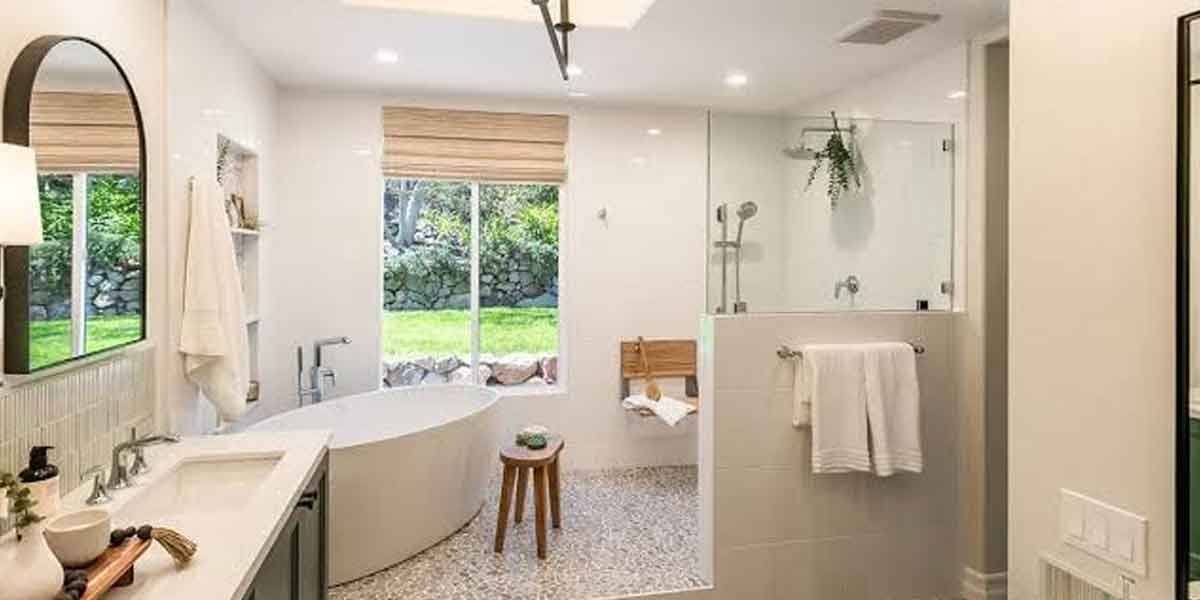
Transforming a bathroom into a modern oasis involves more than just updating fixtures, as it’s about embracing the latest design trends that combine practical features with beautiful aesthetics. With advancements in technology, a shift toward sustainability, and the growing desire for personalized spaces, today’s bathroom remodeling projects are all about meeting lifestyle needs while reflecting individual style. Whether you are planning a full renovation or seeking simple upgrades, staying up to date with the latest trends ensures your new bathroom is both fresh and functional. Modern bathrooms are defined by inviting warmth, nature-inspired palettes, and intelligent design. Gone are the days of sterile all-white spaces; homeowners now prioritize textures, unique materials, and customized details. Read on to discover how to integrate these up-and-coming trends to create a bathroom that feels like a true retreat.
Embracing Warm and Natural Color Palettes
Recent remodeling trends have phased out clinical all-white bathrooms in favor of soothing earth tones and warm neutrals. Shades like soft sage green, muted blues, and burnt terracotta provide depth and coziness. By using these colors in tiles, walls, or accessories, you create an atmosphere of serenity that encourages relaxation after a long day. Even small additions, such as a clay vase or rustic towel rack, can infuse the space with inviting comfort.
The flexibility of these color palettes also allows homeowners to easily swap out accessories or décor seasonally, keeping the space dynamic and fresh. Layering multiple shades and textures within the same color family can create a subtle yet sophisticated visual interest. Large-format colored tiles or accent walls painted in rich, earthy hues further establish the bathroom as a comforting sanctuary. Not only do these color choices offer visual warmth, but they also make the space feel more connected to the natural world outside, promoting a sense of tranquility.
Integrating Smart Technology
Advances in technology have redefined what’s possible in bathroom remodeling. Smart features such as touchless faucets, voice-activated lighting, and heated flooring enhance efficiency and comfort in daily routines. Digital showers with programmable temperature and flow settings make mornings easier, while mirrors with integrated lighting and defogging technology simplify grooming. Incorporating these intelligent upgrades not only streamlines your day but can also add value to your home. Smart bathroom solutions are becoming a staple in high-end remodels, driven by demand for both comfort and convenience. Additionally, Wi-Fi-enabled speakers are being integrated into bathroom ceilings, allowing you to enjoy music, podcasts, or calming nature sounds while you get ready. Smart toilets with bidet functions, automatic flushing, and even self-cleaning technologies are also making their way into modern bathrooms. Connecting all these features to centralized apps offers unparalleled convenience, letting users set their preferred environment with a single touch or voice command, resulting in a truly futuristic, luxurious experience.
Incorporating Natural Materials and Organic Textures
Bringing a sense of the outdoors inside, natural materials are taking over modern bathroom design. Stone countertops, wood vanities, and ceramic tiles create visual interest and evoke feelings of calm. These organic elements are often paired with sleek glass shower surrounds or matte black fixtures for a look that is both timeless and contemporary. By integrating natural textures, you add layers of visual complexity and tactile pleasure, making the space feel uniquely yours. Many designers are now recommending the use of reclaimed or locally sourced materials to personalize projects further and reduce environmental impact. Textured tiles with handmade finishes, rattan or bamboo accents, and rough-hewn stonework are being used to bring character and authenticity to bathrooms. Combining polished surfaces with rougher, organic ones adds a pleasing contrast and celebrates the unique imperfections of natural materials. This approach helps create a bathroom ambiance that feels connected to both tradition and modern sensibilities.
Prioritizing Accessibility and Universal Design
Designing spaces that are safe and accommodating is more important than ever. Modern bathroom remodels increasingly incorporate features that support users of all ages and abilities. Curbless walk-in showers make entry safe and seamless, while strategically placed grab bars and hand-held showerheads boost usability for everyone. Investing in wider doorways, lever-style handles, and adjustable vanities ensures that your remodeled bathroom remains comfortable and accessible for years to come. Universal design goes beyond just addressing immediate needs; it proactively plans for the future by anticipating changes in mobility or family structure. Features like shower benches, non-slip flooring, and motion-sensor lighting can be both discreet and stylish when thoughtfully integrated. These practical inclusions don’t just serve those with disabilities or seniors; families with young children or guests of varying abilities all benefit from a bathroom that’s easy to navigate and safe for everyone.
Personalizing with Unique Design Elements
Modern bathrooms offer opportunities to showcase your unique taste through custom features. Homeowners are opting for bespoke vanities, dramatic statement lighting, and patterned tiles that break the mold of standard design. Whether you’re drawn to minimalist Scandinavian aesthetics or bold Art Deco influences, allowing your personality to shine elevates the look and feel of your bathroom. Personalized choices turn a basic bathroom into a memorable and welcoming retreat. For those who enjoy eclectic or vintage-inspired styles, introducing standout hardware, colorful vessel sinks, or custom mural wall coverings offers a creative touch. Mixing styles or incorporating heirloom mirrors and accessories brings a sense of history and storytelling to the space. Don’t be afraid to include unexpected décor, such as art prints or a unique light fixture, to infuse your bathroom with charm.
Creating Spa-Like Retreats at Home
The popularity of home spas continues to grow. Many bathroom remodels now include features found in luxury spas, such as soaking tubs, rainfall showers, mood lighting, and carefully curated greenery. Natural light, calming scents, and plush towels can transform everyday routines into indulgent, restorative experiences. Focusing on spa-inspired design not only improves comfort but also contributes to overall well-being. Creative storage solutions, such as open shelving with rolled towels and bath salts in glass jars, add both practicality and a decorative touch. Diffusers with essential oils, soft ambient lighting on dimmers, and indoor plants like ferns or orchids all help to complete the spa experience. Enhanced ventilation, heated towel rails, and even in-floor heating create a cocoon of comfort, making your bathroom a true sanctuary for relaxation and self-care.
Emphasizing Sustainability and Eco-Friendly Choices
Eco-conscious upgrades are a highlight in contemporary bathroom remodels. Water-saving fixtures, LED lighting, and sustainable materials such as bamboo or recycled glass promote durability while minimizing environmental impact. These upgrades reduce utility costs and reflect a commitment to responsible living. Innovative water recycling systems and low-flow toilets further slash water consumption, while responsibly sourced paints and sealants improve indoor air quality. Many renovators opt for vintage fixtures repurposed to suit contemporary needs, helping reduce waste and adding unique character. Even the choice of biodegradable or recycled composite materials for bathtubs and cabinetry makes a real difference to a project’s eco-footprint. As sustainability becomes an ever greater concern, these eco-friendly upgrades offer peace of mind and modern elegance. Today’s bathroom remodel trends prioritize warmth, comfort, and innovation. By following modern design principles and incorporating elements meaningful to you, your bathroom can become a personalized sanctuary that effortlessly meets both style and functional needs.
Conclusion
Modern bathroom design is evolving into a balance of comfort, technology, sustainability, and personal expression. By incorporating warm color palettes, natural materials, smart features, accessibility-focused layouts, and customized details, homeowners can create spaces that are both stylish and functional. These trends go beyond simple renovations by transforming bathrooms into relaxing retreats that support everyday routines and long-term needs. Whether you are planning a complete remodel or making smaller improvements, thoughtful design choices can enhance your home’s value and create a more inviting, enjoyable environment. A modern bathroom is no longer just a practical space; it is a personalized sanctuary designed for comfort, convenience, and well-being.