



Skin Tone and Texture: What Changes Them, and What Restores Them
Skin is the one part of the body that carries a visible record of everything it has been through. Sun, heat, hormones, stress, and time all leave marks on its surface, and those marks show up as uneven color, rough patches, dullness, and lines that were not there a few years ago.
For many people in Abuja, the change happens gradually enough that it goes unnoticed until a photograph or a bright mirror makes it obvious. The good news is that skin is also remarkably responsive. It renews itself constantly, and with the right support, that renewal can be guided toward a clearer, smoother, more even result.
Why Daily Care Alone Stops Short
Most people begin the same way, with a cleanser, a moisturizer, and a serum promised to fix everything, and for a while it feels like progress. What they eventually discover is that a good routine holds the line without moving it, because the surface it acts on sits above the layer where dullness, discoloration, and roughness are actually being produced.
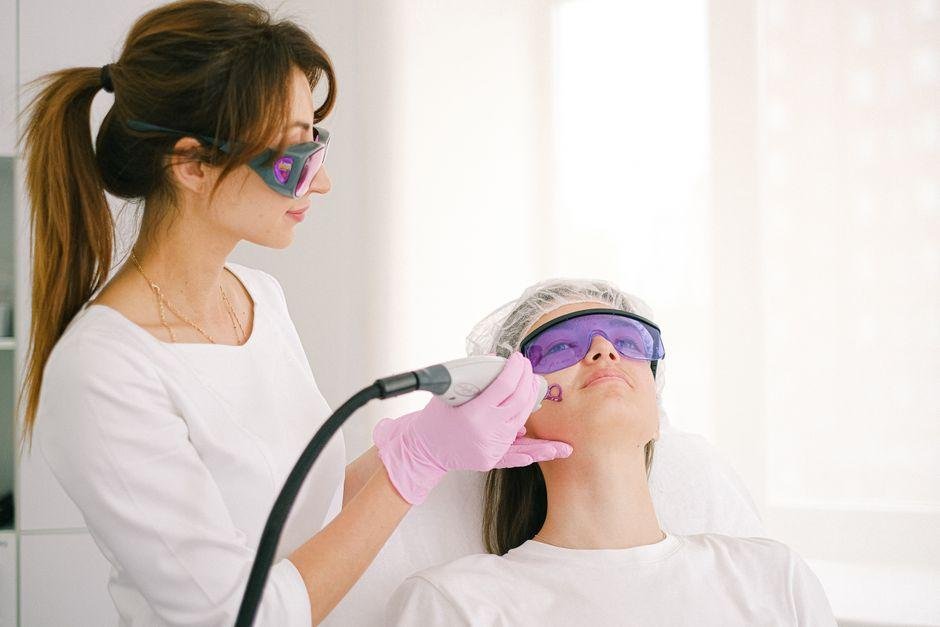
Reaching that deeper layer takes a stronger prompt than any product can deliver, which is what professional light-based skin care is built to provide. If you are also looking for laser treatments Abuja has plenty of experienced professionals ready to assess your skin honestly and recommend an approach that suits it.
Why Skin Loses Its Evenness Over Time
Every complexion starts out with a fairly uniform surface. Cells turn over on a predictable schedule, pigment is distributed evenly, and the deeper layers hold enough structure to keep the surface smooth. Over the years, that system slows down.
Dead cells linger longer than they should, pigment production becomes patchy and reactive, and the supportive framework beneath the surface thins out. The result is a face that looks tired even when you are rested, and dull even when you have just cleansed.
Sunlight accelerates all of it. Light exposure triggers the cells responsible for pigment to work overtime, and they rarely do so evenly. That is where sunspots, blotchiness, and darker patches come from. The same exposure quietly breaks down the proteins that keep skin firm, which is why sun-exposed areas tend to show lines and roughness long before protected areas do.
Heat and humidity add their own pressure, encouraging oil production, clogged pores, and the inflammation that leaves marks behind after every breakout.
What Real Renewal Actually Requires
Restoration means prompting the skin to replace its tired outer layer and rebuild the structure underneath, which is a different task from keeping things stable. Some professional approaches lift away the worn surface so newer skin can come forward.
Others work below it, encouraging the body to produce fresh supportive proteins that firm and smooth from within. Many combine both effects across a planned series of sessions.
What makes this work is not the method alone but the judgment applied to it. A trained aesthetic provider looks past the symptom to identify what is actually driving it, then sets an intensity and a schedule that suit your particular skin. That judgment is the difference between a result that lasts and one that fades within months.
The Value of a Proper Assessment
No two complexions respond the same way, and this is where a great deal of well-intentioned effort goes to waste. Two people can have what looks like the same problem, dark patches across the cheeks, and need entirely different approaches, because one is dealing with the aftermath of sun exposure and the other with a hormonally driven condition that reacts badly to anything too aggressive.
A proper consultation should involve someone actually examining your skin, asking what you have already tried, and explaining what is realistic. Depth of tone matters here too.
Richly pigmented skin is beautifully resilient in many respects, but it is also more prone to responding to injury with darkening, which means the approach must be selected and calibrated with that in mind. Any provider who does not raise this point is not paying close enough attention.
Building Habits That Hold the Result
The daily routine that follows professional care does not need to be elaborate. A gentle cleanser, a moisturizer suited to your skin, and broad-spectrum sun protection applied every morning will do more than an expensive shelf of specialty products used inconsistently. Protective clothing and a hat during the brightest part of the day help more than most people expect.
Beyond that, the basics genuinely matter. Adequate water, decent sleep, and a diet with real variety in it give the body the raw materials for repair. Leaving blemishes alone rather than picking at them prevents most of the marks that would otherwise need treating later. None of this is glamorous advice, and all of it works.
Knowing When to Ask for Help
Plenty of people wait far too long, cycling through products and hoping something will finally take. A reasonable rule is this: if a concern has persisted for several months despite consistent, sensible care, it is unlikely to resolve on its own. If it is affecting how comfortable you feel in your own face, that is reason enough on its own.
Professional care is not about chasing perfection or looking like someone else. It is about giving your skin the specific support it needs to do what it is already trying to do. Tone becomes more even. Texture becomes smoother. The face in the mirror starts to match how you actually feel.
A Clearer Complexion Is Within Reach
Uneven tone and rough texture are common; they are understandable, and they are among the most responsive concerns in all of skin care. The path forward starts with understanding what caused the change, continues with an assessment from someone qualified to make one, and is held in place by daily habits that are entirely manageable.
Skin that has been quietly worn down over years can be brought back with the right guidance and a little patience.