


Cost of Epoxy Flooring in Phoenix: Complete 2026 Pricing Guide
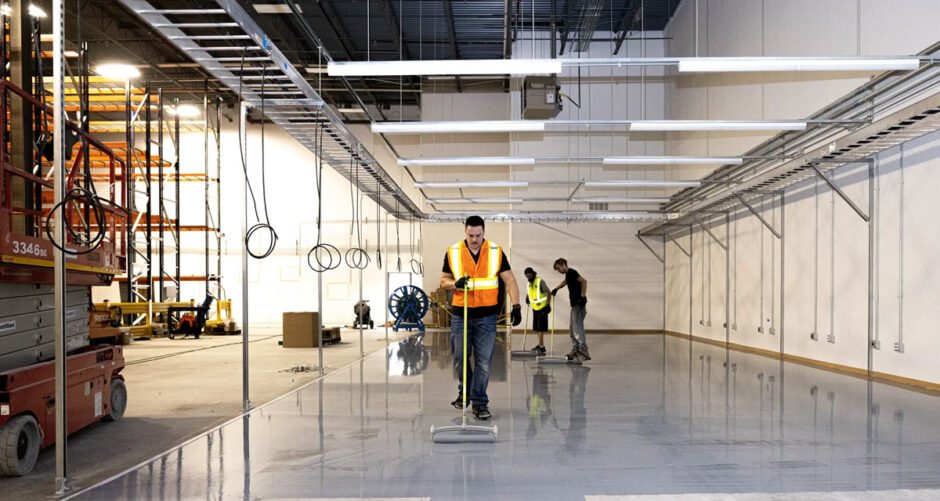
Epoxy flooring has become one of the most popular upgrades for garages, workshops, patios, warehouses, and commercial spaces across Phoenix. Homeowners love it because it gives concrete floors a clean, polished appearance while protecting them from heat, stains, tire marks, and everyday wear. Business owners choose epoxy flooring because it is durable, easy to maintain, and long-lasting.
But one of the biggest questions people ask before starting a project is simple: how much does epoxy flooring cost in Phoenix?
The answer depends on several factors, including the size of the floor, the condition of the concrete, the type of epoxy system used, and the level of customization required. In this guide, we will break down the cost of average epoxy flooring Phoenix and explain what affects the final price.
Average Cost of Epoxy Flooring in Phoenix
In Phoenix, professional epoxy flooring installation usually costs between $4 and $12 per square foot. Most residential garage projects fall somewhere between $2,000 and $5,000 depending on the coating system and floor preparation required.
Here is a general pricing breakdown:
| Project Type | Average Cost |
| 1-Car Garage (200–250 sq ft) | $800 – $2,500 |
| 2-Car Garage (400–500 sq ft) | $2,000 – $5,000 |
| 3-Car Garage (600–700 sq ft) | $3,500 – $7,000+ |
| Commercial Spaces | $4 – $12 per sq ft |
| Metallic Epoxy Floors | $8 – $15 per sq ft |
The exact price will vary based on the floor condition, coating thickness, and decorative finish selected.
What Affects Epoxy Flooring Costs?
Several important factors influence the overall cost of epoxy flooring in Phoenix.
1. Size of the Area
Larger floors naturally require more materials and labor. However, bigger projects often cost less per square foot because contractors can spread labor and equipment costs across a larger surface area.
For example, a small one-car garage may cost more per square foot than a large warehouse project.
2. Condition of the Existing Concrete
Surface preparation is one of the biggest cost factors in any epoxy flooring project.
If the concrete has cracks, oil stains, moisture damage, or old coatings, contractors must repair and grind the surface before applying epoxy. Proper preparation ensures the coating bonds correctly and lasts for years.
Skipping preparation may reduce the upfront price, but it often leads to peeling, bubbling, or coating failure later.
In Phoenix, older concrete slabs commonly need additional preparation because of heat exposure and expansion over time.
3. Type of Epoxy System
Not all epoxy flooring systems are the same. Basic coatings cost less, while premium systems offer better durability and appearance.
Common options include:
- Water-Based Epoxy: Affordable but less durable.
- 100% Solid Epoxy: Stronger and longer-lasting.
- Flake Epoxy Systems: Decorative and slip-resistant.
- Metallic Epoxy Floors: Premium high-end finish with unique patterns.
- Polyaspartic Topcoats: UV-resistant and ideal for Phoenix heat.
Higher-quality systems cost more initially but typically last much longer.
Why Phoenix Climate Matters
Phoenix weather plays a major role in epoxy flooring performance.
Extreme summer heat, UV exposure, and hot tire pickup can damage low-quality coatings quickly. Many DIY epoxy kits sold in hardware stores fail within one or two years under Arizona conditions.
Professional installers in Phoenix often recommend industrial-grade epoxy with UV-resistant polyaspartic topcoats to handle the climate properly.
Although these systems cost more upfront, they provide significantly better long-term value and durability.
Residential Epoxy Flooring Costs
Residential epoxy flooring is most commonly installed in garages, patios, basements, and workshops.
Garage Epoxy Flooring
Garage floors are the most popular epoxy flooring projects in Phoenix. Homeowners use epoxy coatings to:
- Protect concrete from oil stains
- Prevent dust buildup
- Improve appearance
- Make cleaning easier
- Increase home value
A standard two-car garage usually costs between $2,000 and $5,000 for professional installation.
Decorative flake systems are especially popular because they hide dirt, improve grip, and create a clean showroom-style finish.
Patio and Outdoor Areas
Outdoor epoxy systems require additional UV protection in Phoenix because direct sunlight can cause yellowing or fading.
For patios and walkways, contractors often recommend polyaspartic or polyurea coatings instead of basic epoxy.
These systems may cost slightly more but perform better outdoors.
Commercial Epoxy Flooring Costs
Commercial floor coating in Phoenix is usually priced per square foot.
In Phoenix, commercial epoxy flooring typically ranges from $4 to $8 per square foot for standard systems and up to $12 or more for specialty coatings.
Industries that commonly use epoxy flooring include:
- Warehouses
- Auto repair shops
- Restaurants
- Retail stores
- Medical facilities
- Manufacturing plants
Commercial projects often require thicker coatings, chemical resistance, anti-slip additives, or custom safety markings, all of which increase the total price.
DIY vs Professional Epoxy Flooring
Some homeowners consider using DIY epoxy kits to save money.
DIY kits usually cost between $300 and $600 for materials, making them appear much cheaper initially.
However, there are major differences between DIY coatings and professional systems.
DIY Epoxy Flooring
Pros:
- Lower upfront cost
- Good for temporary use
- Simple application kits available
Cons:
- Limited durability
- Poor resistance to Phoenix heat
- Higher risk of peeling or bubbling
- Minimal warranty protection
Professional Epoxy Flooring
Pros:
- Longer lifespan
- Industrial-grade materials
- Better surface preparation
- UV-resistant coatings available
- Strong warranties
Cons:
- Higher initial investment
Most professionally installed epoxy floors in Phoenix last between 10 and 20 years with proper maintenance.
Is Epoxy Flooring Worth the Cost?
For many Phoenix homeowners and businesses, epoxy flooring is absolutely worth the investment.
Compared to bare concrete, epoxy floors are:
- Easier to clean
- More resistant to stains and chemicals
- Better looking
- More durable
- Safer with slip-resistant finishes
- Longer lasting
Epoxy flooring can also improve property appearance and create a more polished, high-end feel.
In garages especially, epoxy flooring often increases buyer appeal because it gives the space a cleaner and more finished appearance.
Tips for Getting the Best Price
If you want the best value on epoxy flooring in Phoenix, consider these tips:
Get Multiple Quotes
Always compare estimates from several local contractors. Make sure each quote includes:
- Surface preparation
- Crack repairs
- Material type
- Warranty coverage
- Number of coating layers
Avoid Cheap Coatings
Low-cost systems may save money initially but often fail much faster in Arizona heat.
Choosing a high-quality coating usually reduces long-term repair and replacement costs.
Ask About UV Protection
Phoenix sunlight is extremely harsh on flooring systems. UV-resistant topcoats help prevent fading, chalking, and yellowing.
Check Reviews and Experience
Choose contractors with strong local experience and verified customer reviews.
Proper installation matters just as much as the material itself.
Final Thoughts
The cost of epoxy flooring in Phoenix usually ranges from $4 to $12 per square foot, with most homeowners spending between $2,000 and $5,000 for a garage floor installation.
While pricing depends on surface condition, coating type, and customization, professional epoxy flooring remains one of the best long-term flooring investments for Phoenix properties.
A properly installed epoxy floor can handle Arizona heat, resist stains and wear, improve appearance, and last for many years with minimal maintenance.
Whether you are upgrading a residential garage or installing flooring for a commercial facility, investing in a quality epoxy system will deliver better durability, appearance, and value ove