


How Large-Scale Sports Venues Shape Urban Development
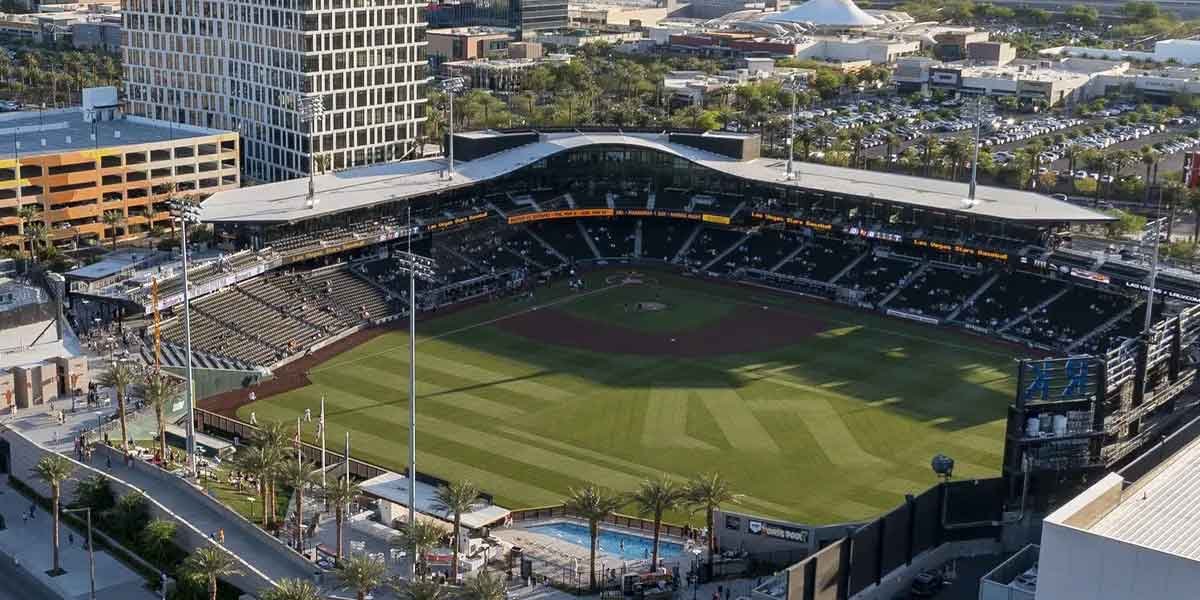
Large-scale sports venues have long played a pivotal role in shaping cities’ physical and economic landscapes. Beyond hosting games and entertainment events, these complexes often act as catalysts for urban transformation, influencing infrastructure development, transportation systems, and surrounding commercial activity. As cities invest in modern arenas and stadiums, they frequently reimagine underutilized areas, turning them into vibrant districts that attract businesses, residents, and visitors alike. The ripple effects extend beyond the venue itself, contributing to job creation and long-term planning initiatives.
The development of such venues typically involves collaboration among public agencies, private investors, and construction firms like Tutor Perini, which have experience managing large, complex projects. While these developments can stimulate growth, they also raise questions about costs, community impact, and sustainability. Balancing economic opportunity with social responsibility remains a central challenge, as cities aim to ensure that large-scale sports infrastructure benefits both local communities and broader urban development goals.
Economic Boost and Job Creation
The economic impact of building a large-scale sports venue is immediate and substantial. Jobs are created during construction, spanning architecture and design, skilled labor, and project management. When a venue opens, permanent positions follow, including operations management, hospitality staff, maintenance workers, and security personnel. These employees benefit from steady work, while the city enjoys lower unemployment rates.
In addition to direct jobs, local businesses see increased activity from fans, sports tourists, and event-goers who frequent nearby restaurants, bars, hotels, and stores. The influx of visitors can generate millions of dollars in economic activity each year, though researchers continue to debate the true scale of these impacts.
Revitalization of Neighborhoods
Sports venues can be a catalyst in rejuvenating deteriorating urban districts. Regions previously facing vacancy or low property values often become vibrant, active spaces as stadiums draw in crowds and investors. This kind of anchor development can encourage retail, dining, and entertainment options to take root, giving the locale new life.
The development of so-called sports-anchored districts has sparked transformations in cities across North America. These areas mix commercial, residential, and leisure offerings, helping ensure the district’s vibrancy on game days and off.
Infrastructure Improvements
Large venues increase foot and vehicle traffic, necessitating upgrades to local infrastructure. Improved roadways, new pedestrian walkways, and enhanced transit options are often part of the planning process. These improvements benefit not only event attendees but also neighborhood residents who enjoy better access to transportation and upgraded public amenities.
Enhanced public infrastructure may include expanded bus or light rail service, improved public safety measures, and updated utility grids to accommodate higher usage. Such investments can make a venue a long-term asset to the city, contributing to ongoing quality-of-life improvements in the surrounding area.
Cultural and Social Impact
Sports stadiums are much more than functional venues. They can become icons of civic identity, fostering a sense of pride and belonging among residents. When communities gather for sporting events or concerts, social bonds are strengthened and cultures interwoven. These venues are also increasingly used for community programming, charity events, and public celebrations, expanding their role as gathering places and cultural cornerstones.
Through sharing experiences in these communal spaces, diverse populations can find common ground and build connections around shared enthusiasm, whether for sports, music, or civic celebrations. This aspect of sports complexes as inclusive hubs enhances their importance in the urban landscape.
Challenges and Controversies
Despite the celebrated benefits, new sports venue projects are often met with skepticism. The use of public funding for privately owned stadiums can spark debate over fiscal priorities, and there are genuine concerns about gentrification and the displacement of vulnerable populations. Environmental challenges also arise, including increased traffic congestion, waste management, and water use associated with these large facilities.
Public engagement and transparent negotiations are increasingly expected to address these concerns. Incorporating affordable housing, green space, and community benefits into the design can help mitigate negative impacts. City planners must weigh both the economic promise and potential social risks to ensure development remains equitable and inclusive.
Case Studies of Successful Integrations
Several cities offer notable examples of how sports venues can drive urban regeneration. In Los Angeles, the redevelopment of the surrounding district of Crypto.com Arena (formerly Staples Center) has spurred an entertainment and residential boom. In Atlanta, the area around Truist Park has become a lively mixed-use development, blending offices, apartments, and entertainment spaces to create a destination district. Stadiums that are thoughtfully integrated into their settings foster not only year-round economic gains but also long-term urban vitality.
Future Trends in Sports Venue Development
The next generation of sports venues is being developed with a focus on sustainability, accessibility, and community integration. Cities are promoting green building initiatives, ensuring energy-efficient infrastructure, and providing flexible spaces that benefit residents year-round. Many new stadium projects prioritize walkability, public spaces, and mixed-use district layouts, reflecting a shift from isolated arenas to deeply connected urban centers.
Smart technology is also playing a growing role, with advanced ticketing, enhanced Wi-Fi, and sustainable energy solutions central to design plans. Attention to these future trends promises to keep sports venues at the forefront of urban transformation while helping cities adapt to rapid changes in demographics, technology, and expectations.
Conclusion
Large-scale sports venues have the power to reshape cities, driving growth, fostering pride, and establishing vibrant neighborhoods. The most successful projects are those that not only excite fans but also meet residents’ long-term needs by advancing economic, social, and environmental goals. By addressing potential challenges through thoughtful design and genuine community involvement, sports venues can become invaluable assets for urban development and renewal.