



How Much Does It Cost for a Roof Replacement? Complete 2026 Price Guide
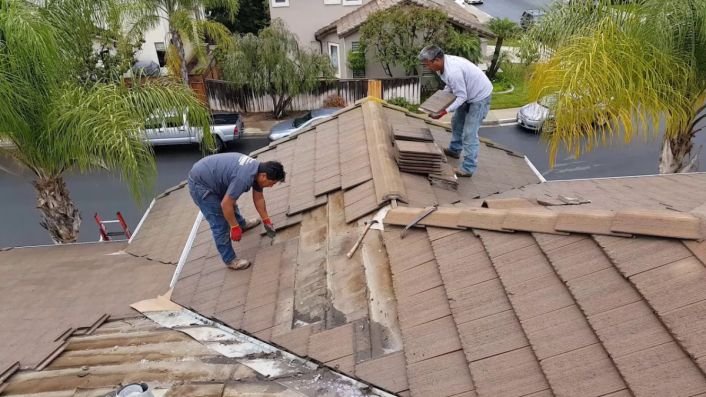
A full roof replacement costs $6,000 to $30,000 for a typical single-family home in 2026, with the national average around $11,000 for an architectural asphalt shingle roof on a 2,000-square-foot house. The price per square foot installed ranges from $4 for basic three-tab asphalt shingles to $35 for natural slate. The material itself accounts for roughly 30% to 40% of the total cost. Labor accounts for 40% to 50%. Tear-off, disposal, permits, and incidentals account for the remaining 10% to 20%.
The single biggest variable is the roofing material. Asphalt shingles cost $4 to $7 per square foot installed. Metal costs $8 to $18. Tile costs $12 to $22. Slate costs $20 to $35. Two houses on the same street with the same roof size can have replacement costs that differ by $30,000 based solely on what the roof is made of. The second biggest variable is the roof’s complexity — the number of valleys, dormers, chimneys, skylights, and pitch changes — which drives labor hours more than square footage does.
Roof Replacement Cost by Material
| Roofing Material | Cost per sq ft Installed | Total for 2,000 sq ft | Typical Lifespan | Cost per Year of Service |
| 3-Tab Asphalt Shingle | $4-$5 | $8,000-$10,000 | 15-20 years | $470-$570/yr |
| Architectural Asphalt Shingle | $5-$7 | $10,000-$14,000 | 25-30 years | $370-$500/yr |
| Metal (Exposed Fastener Steel) | $6-$10 | $12,000-$20,000 | 25-35 years | $400-$690/yr |
| Metal (Standing Seam Steel) | $9-$14 | $18,000-$28,000 | 40-70 years | $340-$550/yr |
| Cedar Shingle | $10-$14 | $20,000-$28,000 | 30-50 years | $500-$800/yr |
| Clay / Concrete Tile | $12-$22 | $24,000-$44,000 | 50-100 years | $350-$620/yr |
| Slate | $20-$35 | $40,000-$70,000 | 75-200 years | $280-$680/yr |
On a pure cost-per-year-of-service basis, architectural asphalt shingles and standing seam metal are roughly tied at $350 to $550 per year — the most economical choices over the long term. Slate is the most expensive to install but the cheapest per year because it lasts 75 to 200 years. Three-tab shingles cost the least upfront but the most per year because they need replacement twice as often as architectural shingles. The cheapest roof to install is rarely the cheapest roof to own.
What a Roof Replacement Quote Includes (and What It Might Not)
A roof replacement is not just shingles nailed to plywood. It is a system of components, and every component has a cost. A good quote itemizes them. A bad quote rolls them into a single number and hopes the homeowner does not ask questions.
A complete roof replacement includes these components:
- Tear-off and disposal of the existing roof. Removing the old shingles down to the deck costs $1.00 to $2.00 per square foot. A 2,000-square-foot roof adds $2,000 to $4,000 in tear-off alone. Disposal adds $400 to $800 for the dumpster or trailer.
- Underlayment. Synthetic underlayment costs $0.15 to $0.25 per square foot for the material and is standard on most modern roof replacements. Ice and water shield in valleys, at eaves, and around penetrations adds $0.50 to $1.00 per square foot in those areas.
- Drip edge and flashing. Metal drip edge at the eaves and rakes costs $2 to $4 per linear foot installed. New pipe boots cost $15 to $60 each. New valley flashing costs $5 to $10 per linear foot.
- Ridge vent or attic ventilation. A continuous ridge vent costs $3 to $5 per linear foot installed and is required by code in most jurisdictions for new roof replacements. Replacing box vents or adding a power vent costs $100 to $400 each.
- Permits. $150 to $500 depending on the municipality. Some jurisdictions base the permit fee on the project value; others charge a flat rate per square of roofing.
The decking contingency: Every roof replacement quote should include a per-sheet price for plywood or OSB decking replacement if rotted decking is found after the old shingles come off. A typical allowance is $75 to $100 per 4-by-8-foot sheet. On a 20-year-old roof, expect 2 to 5 sheets to need replacement. On a 30-year-old roof with known leaks, expect 5 to 15 sheets. A quote that does not mention decking replacement is not a complete quote — it is an estimate that assumes the deck is perfect, and it almost never is.
How Roof Size and Complexity Drive the Price
Roofing is priced by the square — one square equals 100 square feet of roof area. A 2,000-square-foot house does not have a 2,000-square-foot roof. The roof is always larger than the footprint because of the pitch and the overhangs. A simple ranch house with a 4:12 pitch has roughly 1.2 times the square footage of the house footprint. A two-story colonial with multiple gables has roughly 1.5 to 1.8 times.
| House Size (sq ft) | Typical Roof Size (squares) | Asphalt Shingle Cost | Metal Roof Cost |
| 1,000-1,500 | 12-18 squares | $6,000-$11,000 | $14,000-$25,000 |
| 1,500-2,000 | 18-24 squares | $9,000-$15,000 | $20,000-$32,000 |
| 2,000-2,500 | 24-30 squares | $12,000-$19,000 | $26,000-$40,000 |
| 2,500-3,500 | 30-42 squares | $15,000-$26,000 | $32,000-$55,000 |
Roof complexity adds cost independently of size. Each valley adds $500 to $1,000 in labor because the roofer must cut shingles to a precise line and install metal flashing in the valley channel. Each dormer adds $1,000 to $2,000 because of the additional valleys, step flashing, and wall-to-roof transitions it creates. Each skylight adds $300 to $600 for re-flashing around the curb. A simple ranch roof with zero valleys and zero dormers costs the base rates in the table above. A complex roof with four valleys, two dormers, and three skylights on the same square footage can cost 40% to 60% more.
Roof Replacement Costs by Region
| Region | Asphalt Shingle (2,000 sq ft) | Metal Standing Seam (2,000 sq ft) | Labor Rate/hr |
| Southeast | $7,000-$10,000 | $16,000-$24,000 | $50-$75 |
| Midwest | $8,000-$12,000 | $18,000-$26,000 | $60-$90 |
| Northeast | $10,000-$16,000 | $22,000-$32,000 | $80-$120 |
| West Coast | $11,000-$18,000 | $24,000-$36,000 | $85-$130 |
| Mountain West | $9,000-$13,000 | $19,000-$28,000 | $65-$95 |
How to Pay for a Roof Replacement: Financing Options
A roof replacement is the single largest maintenance expense most homeowners will ever face, and the majority of homeowners do not have $12,000 in cash sitting in a checking account when the roof fails. The financing options, in order of financial desirability:
- Homeowners insurance (if storm damage). If the roof was damaged by wind, hail, or a falling tree, your insurance policy covers the replacement (minus your deductible). This is the best option financially, but it only applies if the damage is sudden and accidental, not age-related.
- HELOC or home equity loan. Current rates are 7% to 9% APR. Interest may be tax-deductible if the funds are used for home improvement. A $12,000 HELOC at 8% paid over 10 years costs roughly $145 per month.
- Credit union personal loan. 8% to 12% APR, unsecured, no home equity required. A $12,000 loan at 10% over 7 years costs roughly $200 per month.
- Contractor-arranged financing (GreenSky, Service Finance, etc.). 12% to 28% APR depending on credit. These are convenient — the contractor handles the paperwork — but the interest rates are significantly higher than credit union loans. A $12,000 loan at 18% over 10 years costs roughly $216 per month, and total interest paid over the term is approximately $13,900 — more than the original loan amount.
- 0% intro APR credit card. 18 to 24 months at 0% on purchases, then 18% to 28% APR on the remaining balance. Only viable if you can pay off the full balance within the promotional period. If you carry a balance past the intro period, the deferred interest is often charged retroactively from the purchase date.
Does Homeowners Insurance Cover Roof Replacement?
Insurance covers a roof replacement when the roof is damaged by a covered peril — wind, hail, fire, falling objects — and the damage is sudden and accidental. It does not cover replacement due to age, wear and tear, deterioration, or deferred maintenance. Regular upkeep can minimize structural wear and avoid sudden failures. Scheduling detailed roof inspection services helps identify minor issues like cracked seals or shifting shingles before water penetrates the underlying decking. Catching these small problems early can preserve the integrity of the materials, extend the life of your current setup, and prevent issues that standard policies typically exclude from coverage. A 25-year-old roof that is curling, losing granules, and has reached the end of its service life is the homeowner’s responsibility to replace. A 5-year-old roof that was destroyed by a hailstorm is the insurance company’s responsibility.
If the claim is approved, the payout depends on your policy type. A replacement cost value (RCV) policy pays the full cost to replace the roof with a comparable new one, minus your deductible. An actual cash value (ACV) policy pays the depreciated value — a 15-year-old roof with a 25-year expected lifespan receives roughly 40% of the replacement cost. Many insurers have shifted older roofs to ACV coverage or added ACV roof endorsements to policies in hail-prone and hurricane-prone states. Check your policy declarations page for “roof surfacing — actual cash value” or “roof payment schedule” language.
How to Compare Roof Replacement Quotes
Get three quotes from local, licensed roofing contractors. Do not accept quotes from door-to-door salespeople after a storm — they are almost certainly storm chasers with no local reputation and no warranty follow-through. The three quotes should be for the same scope of work so you can compare them line by line.
When comparing quotes, look for these five items:
- Same shingle brand, model, and color. A quote for GAF Timberline HDZ should not be compared to a quote for Owens Corning Duration unless you have decided both are acceptable. Different manufacturers = different warranties and different installed appearance.
- Same underlayment specification. Synthetic underlayment vs. #15 felt vs. #30 felt. Synthetic costs more but is more durable and slip-resistant. Felt is the budget option.
- Same ice and water shield coverage. Code minimum is typically 24 inches past the interior wall line at the eaves, plus valleys and penetrations. More coverage costs more but protects better against ice dams.
- Decking replacement allowance. All three quotes should specify a per-sheet price for plywood or OSB replacement. If one quote omits this, it is not comparable to the others — the roofer will charge for decking as a change order after the old roof comes off.
- Warranty terms. A manufacturer’s warranty (material defects only) vs. a workmanship warranty (installation errors) vs. an enhanced system warranty (materials + labor for a specified term). The enhanced warranty requires a manufacturer-certified contractor and costs 10% to 20% more than the basic warranty.
Does a New Roof Increase Home Value?
A new asphalt shingle roof returns roughly 60% to 70% of its cost in increased home value at resale, according to remodeling industry data. A $12,000 roof replacement adds roughly $7,500 to $8,500 to the home’s market value. The ROI is not 100% because a functioning roof is expected by buyers — it is a baseline requirement, not a luxury upgrade. However, a roof at the end of its life reduces the home’s value by more than the cost of replacement because buyers discount the asking price to account for the immediate expense they will face after closing.
Metal, tile, and slate roofs return a higher percentage of their cost (70% to 85%) because they are perceived as upgrades rather than maintenance. A standing seam metal roof on a house in a neighborhood of asphalt shingle roofs differentiates the property and recovers a larger share of its cost at sale.
FAQ: Common Questions About Roof Replacement Costs
Can I save money by installing a second layer of shingles over the existing roof?
Yes, but the savings are smaller than they appear. Skipping the tear-off saves $2,000 to $4,000, but the new roof will last 10% to 20% less time because the shingles cannot lie as flat over an existing layer, and the trapped heat between layers accelerates shingle degradation. Building codes limit roofs to two layers, so the next replacement will require tearing off both layers — doubling the tear-off cost. The short-term savings usually do not justify the long-term cost. Most roofing manufacturers also reduce their warranty coverage on overlay installations.
What time of year is cheapest to replace a roof?
Late fall (October to November) and early spring (March to April). Roofing demand peaks in summer and drops in the shoulder seasons. Contractors offer discounts of 5% to 15% during slow periods to keep their crews working. Avoid scheduling during winter in cold climates — shingles require temperatures above 40°F for the adhesive strips to seal properly, and a roof installed in cold weather may not seal until spring, leaving it vulnerable to wind damage all winter.
A Roof Replacement Is an Investment in the Next 25 to 50 Years
The upfront cost — $10,000 to $14,000 for a typical asphalt shingle roof — is a number you live with for about a month while the roof is being installed. The per-year cost — $370 to $500 — is the number that matters for the next 25 to 30 years while the roof is doing its job. By that measure, architectural asphalt shingles and standing seam metal are the most economical choices in most markets.
Get three itemized quotes. Compare the line items, not the bottom-line number. The cheapest quote almost always omits something — tear-off, decking allowance, ice and water shield, permit fees — that will appear as a change order after the old roof comes off. The roofer who gives you the most detailed quote is usually the one who will do the best work.