


Roofing Revealed: A Comprehensive Guide to the Anatomy of Your Roof – Uncovering Its Essential Parts
A roof is an integral part of any home that, unfortunately, many homeowners take for granted until something goes wrong. In this comprehensive guide, I aim to take the mystery out of roofs by exploring each essential element that makes up a typical residential roof assembly.
We will investigate components, including roof sheathing, underlayment, drip edge, shingles, flashing, and more. After reading this post, you will have a new appreciation for your roof and the knowledge to recognize any problems that may arise. Let’s start with an overview of the key parts forming the protective barrier over your head.
Roofing Structure Breakdown: Crucial Elements
As we delve into the structural components of a roofing system, it’s essential to understand the functionality and importance of each piece. From the base layer of sheathing to the outermost shingles, every element plays a significant role in providing stability, durability, and protection from the elements. Here’s a closer look at each of the key components of the roof.
Roof Sheathing
Also known as the roof deck, roof sheathing is the layer of material attached to the roof rafters or trusses. Typically made from plywood or oriented strand board (OSB), it acts as the foundation for the other roofing materials and distributes the load evenly across the roof structure.
Underlayment
Positioned directly atop the sheathing, the underlayment is a waterproof or water-resistant barrier that provides an extra layer of protection against moisture that might sneak past the shingles. Materials commonly used for underlayment include felt synthetic sheets or self-adhering membranes.
Drip Edge
The drip edge is a metal strip installed at the edges of the roof, particularly around the eaves and rakes. Its primary function is to guide water away from the fascia and protect the underlying roofing components from water damage.
Shingles
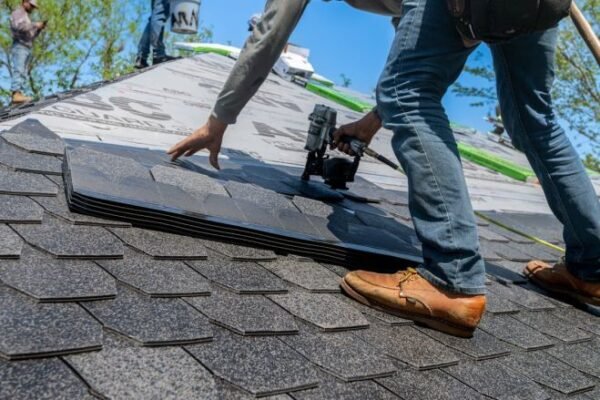
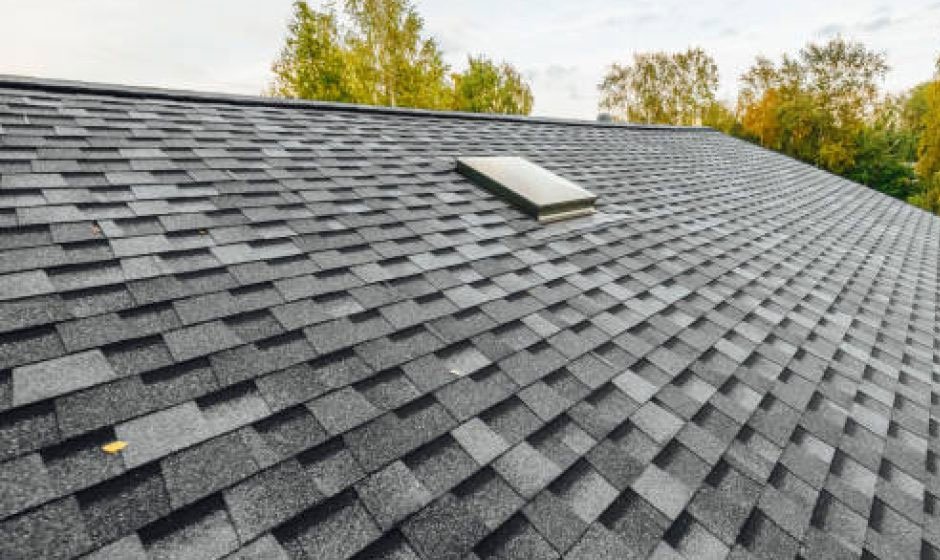
Shingles form the outermost layer of the roof and are the first line of defense against weather conditions. They come in various materials, such as asphalt, wood, and slate, and are designed to overlap each other, shedding water effectively and providing aesthetic appeal.
Flashing
Flashing consists of pieces of metal or other impermeable materials used to prevent water penetration at critical areas of the roof, such as valleys, vents, chimneys, and at the points where the roof meets vertical surfaces like walls.
Ridge Vent
The ridge vent runs along the peak of your roof and allows for consistent airflow across the attic space. This venting system is crucial for regulating the temperature in your attic and preventing moisture buildup that could lead to mold, mildew, and deterioration of roofing materials.
Soffit
Soffits are located under the eaves of the roof where the roof overhangs the walls. These are vented to provide necessary air circulation to the attic, helping to keep it dry and reduce the risk of rot in the sheathing and rafters.
Ice and Water Shield
A specialized underlayment known as an ice and water shield protects the roof’s most vulnerable areas from ice dams and wind-driven rain. Typically, this material is applied at the eaves, valleys, and around roof penetrations to create a better seal.
Roof Insulation
While not directly part of the roofing structure, roof insulation is fundamental in creating an energy-efficient home. Proper insulation helps to keep heat from escaping in the winter and prevents hot air from entering the attic during the summer.
Maintaining the efficiency of your home often starts with evaluating the condition of existing materials beneath the roof deck. Over time, old or damaged insulation can lose its effectiveness and even harbor allergens or moisture. When upgrading your attic, beginning with safe insulation removal ensures that any degraded material is handled properly without contaminating the rest of the living space. This process allows for a clean inspection of the attic floor and makes it easier to identify air leaks or structural issues that need addressing before new, high-performance layers are installed to support year-round comfort.
Gutters
Gutters are essential for managing the flow of rainwater from your roof and directing it away from your home’s foundation. Properly installed and maintained gutters reduce the risk of water damage to siding, basements, and landscaping. They typically consist of troughs that collect runoff from the roof, connected to downspouts that channel the water to the ground or into a drainage system.
Fascia
The fascia is a vertical finishing edge connected to the ends of the rafters, trusses, or the area where the gutter attaches to the roof. This architectural element not only adds to the aesthetic of your home but also provides a layer of protection by preventing water and animal intrusion. The fascia also offers a solid base to attach the gutters.
Roof Trusses and Rafters
The trusses or rafters form the structural support system for the roof, defining its shape and providing the framework that supports all the other components. Trusses are typically pre-fabricated, triangular wooden structures, while rafters are usually assembled onsite and can vary in design. Both are critical for evenly distributing the roof’s weight and ensuring structural integrity against heavy loads like snow.
Valley
The valley is the internal angle formed by the intersection of two sloping roof planes. To prevent water permeation in these vulnerable areas, valleys are typically sealed with a metal flashing or a specialized valley underlayment before the final roofing material is applied. Proper construction and sealing of the roof valley are crucial for preventing leaks.
Eaves
Eaves are the part of the roof that overhangs the house’s exterior walls. They not only add stylistic detail but play a significant role in protecting the sides of the house and foundation from water damage. Properly designed eaves can also provide natural ventilation and insulation benefits.
Battens
Battens are used in some roofing systems, particularly those using materials like tiles or metal panels. These thin strips of material are secured to the roof deck and serve as a mounting point for the roofing material. Battens create a defined airspace between the deck and the roofing material, which can help with insulation and drainage.
Roof Maintenance Tips for Responsible Homeowners
Proper roof maintenance is essential for prolonging the lifespan of your roofing system and ensuring that your home remains safe and dry. Regularly checking and caring for your roof can prevent costly repairs and preserve the integrity of your home. Here are some essential tips to help homeowners maintain their roofs effectively:
- Inspect your roof regularly: At least twice a year, visually inspect your roof for any signs of damage, such as missing, cracked, or curled shingles. After extreme weather events, it’s especially important to check for damage.
- Clean your gutters: Clogged gutters can cause water to back up and potentially damage the roof structure. Ensure your gutters are free from debris to allow proper water flow.
- Trim overhanging branches: Tree limbs that hang over your roof can scrape against roofing materials and drop debris that encourages algae growth or blocks your gutter system.
- Look for signs of algae or fungus: If you notice streaks or discoloration, it could be a sign of algae or fungus growth. Cleaning your roof or installing zinc or copper strips can prevent these issues.
- Ensure proper insulation and ventilation: Good attic insulation and ventilation prevent heat and moisture from building up, reducing the risk of ice dams and prolonging the life of your roof.
- Check for proper drainage: Roofs should be designed to drain quickly and efficiently. Regularly check the slope and ensure that there are no areas where water can accumulate.
- Repair sealants around roof penetrations: Any roof area with vent pipes, chimneys, or other penetrations should be checked for cracks or gaps in the sealant and repaired promptly.
- Consider professional inspections: Hiring a professional roofer to conduct detailed inspections can spot potential problems you may miss and provide repairs that extend the life of your roof.
- Stay proactive with repairs: Addressing small issues immediately can prevent them from becoming big, expensive problems.
- Keep records of maintenance and repairs: Documenting any work done on your roof can be helpful for warranty purposes and makes it easier to track what has been done over time.
To Conclude
Roofing systems are complex structures that play a vital role in protecting our homes. Understanding their components and properly maintaining them can ensure the longevity and safety of your roof. By regularly inspecting, cleaning, and addressing any issues promptly, you can keep your roof in top condition. Remember, when in doubt, always consult a professional roofing contractor for advice and assistance.