



Practical Ways to Protect Your Car Interior from Extreme Heat and Sun Damage
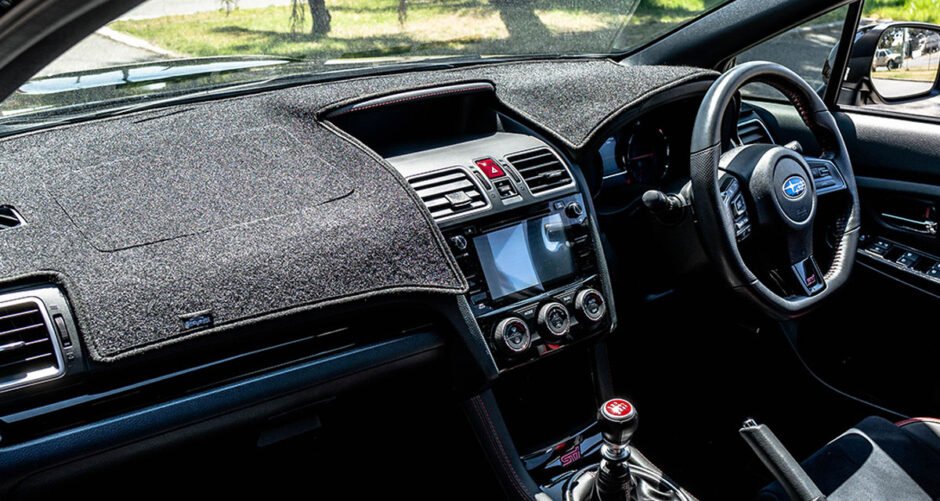
Australian weather is notoriously harsh, and the intense sun can do a serious number on your vehicle. From scorching summer heatwaves to the deceivingly bright winter days, the elements are constantly testing the limits of your car’s durability. While most drivers understandably focus on maintaining the engine, checking the oil, and preserving the exterior paintwork, the cabin often bears the brunt of extreme temperature fluctuations. A vehicle left in direct sunlight is essentially a greenhouse on wheels. Over time, trapped heat and unyielding UV radiation can cause irreversible damage to your dashboard, steering wheel, and seating materials, ultimately lowering the overall resale value of your car. Protecting the inside of your car should be treated with the same priority as regular mechanical servicing.
The Hidden Dangers of Rapid Heat Buildup
The speed at which a vehicle heats up is genuinely surprising to many motorists. You might think that parking in the sun on a relatively mild afternoon is harmless, especially if a cool breeze is blowing, but the science says otherwise. Research from Stanford Medicine shows that a parked car’s interior can heat up by an average of 40 degrees Fahrenheit within a single hour, with 80 percent of that dangerous spike happening in the first 30 minutes. The study highlights that ambient temperature does not matter as much as direct sun exposure, meaning even cooler days carry a significant risk of extreme heat buildup inside a locked vehicle.
This rapid acceleration in temperature quickly turns your comfortable cabin into a baking oven. Modern vehicle interiors are constructed from a complex blend of plastics, specialised adhesives, and woven textiles. When repeatedly exposed to baking heat and direct UV rays, these materials begin to break down on a molecular level. Plastics become increasingly brittle and prone to cracking, leather dries out and shrinks, and fabric upholstery fades unevenly, losing its original colour. Furthermore, the adhesives holding the roof lining in place can melt, causing the fabric to sag uncontrollably. Replacing a cracked dashboard, fixing a sagging roof, or re-trimming ruined front seats is an incredibly expensive exercise that can be easily avoided with a bit of preventative care and planning.
Simple yet Effective Interior Protection Strategies
One of the most practical and immediate ways to combat interior degradation is to block the sunlight before it ever enters the cabin. High-quality car shades provide a physical barrier against UV rays and significantly reduce the amount of heat radiating through your side and rear windows. Custom-fit magnetic options are particularly effective because they cover the entire glass surface area without falling down or leaving exposed edges, ensuring that no harsh light sneaks through the gaps to fade your delicate upholstery. By keeping the intense sun off your seats and door panels, you also reduce the ambient temperature inside the car, meaning your air conditioning will not have to work as hard when you finally start the engine.
Beyond shielding the side glass, there are several simple, everyday habits you can adopt to preserve your cabin materials for the long haul:
- Apply UV protectants: Regular application of water-based UV protectant sprays on your vinyl and plastic surfaces acts just like sunscreen for your dashboard. These products replenish lost moisture and provide a protective layer against further degradation. Avoid heavy, greasy silicon sprays that can actually magnify the sun’s glare, attract stubborn dust, and leave a sticky residue behind.
- Condition leather seats: Natural leather loses its essential oils when baked in the hot sun. Wipe down your seats with a dedicated automotive leather conditioner every few months to keep the material supple, maintain its natural colour, and prevent unsightly cracking. Well-conditioned leather is far more resistant to temperature changes and daily wear.
- Park strategically: It sounds obvious, but actively seeking out shade makes a massive difference to your vehicle’s internal temperature. If you are leaving your car outside all day, look at the position of the sun and try to park where the shadows will fall during peak afternoon heat. Sometimes, parking slightly further away from your destination to secure a shaded spot under a building or tree is well worth the extra walk.
- Use a windshield reflector: A sturdy, reflective shield placed in the front window bounces harsh light away from the most vulnerable plastics in your cabin. This simple tool provides an excellent first line of defence against dashboard warping, steering wheel damage, and fading of your instrument cluster surround.
Preserving Your Cabin on Long Australian Drives
Daily commuting certainly takes its toll, but extended trips expose your vehicle to sustained, relentless sunlight. When you are out on the highway for hours at a time, the sun continuously beats down on the exact same side of the vehicle, slowly cooking the door trims and the side of the driver or passenger seat. This constant exposure can lead to rapid fading on one side of the car if preventative measures are not taken. Being proactive about your interior care is just as important as checking your tyre pressure, topping up your coolant, and verifying fluid levels before a long journey.
Whether you are just heading up the coast for a quick weekend getaway or looking into essential ute upgrades for an Australian road trip, protecting your cabin from sun damage is a critical step before you leave your driveway. Outfitting your vehicle with the right interior protection ensures that your passengers remain comfortable and your trim remains completely intact, no matter how brutal the outback sun gets during the middle of the day. A cooler cabin also contributes to driver alertness, which is crucial for safety on long, monotonous stretches of highway.
Taking care of your vehicle interior does not require hours of laborious detailing every weekend. By investing in quality window coverage, using the right conditioning products, and being mindful of where you park, you can drastically extend the lifespan of your cabin. These small, everyday habits will keep your interior looking factory fresh, ensuring a more comfortable drive during the scorching summer months and protecting your hard-earned investment for many years to come. Your future self, and the next owner of your car, will certainly thank you.