



Cost-Effective Storage Strategies for Small and Mid-Sized Businesses
Storage problems don’t show up all at once. They build quietly. A few extra boxes in the corner, inventory stacked a little higher than before, and tools moved out of the way just to make room for something else. Then one day, the space feels tight, and nothing flows the way it used to. For small and mid-sized businesses, this happens early, often before revenue is stable enough to justify major expansion. Renting a bigger warehouse sounds like the obvious answer, but it comes with long contracts, rising costs, and not much flexibility if things change.
The real issue isn’t always a lack of space. It’s how that space is used. Businesses don’t need more square footage as much as they need smarter ways to manage what they already have, plus options that can grow or shrink with demand. Storage should support operations, not slow them down or lock them into fixed costs. That’s where strategy starts to matter more than size.
Rethinking Storage: Flexible Alternatives to Traditional Space
Traditional storage models don’t work for every business. Warehouses are expensive, leases are rigid, and scaling up often means committing to more space than you actually need. That gap between what you pay for and what you use becomes a long-term cost problem.
More businesses are starting to rethink that setup. Instead of expanding permanently, they’re turning to flexible storage options that can adapt as operations shift. Portable, modular storage has become a practical alternative, especially for companies that deal with changing inventory levels or project-based work.
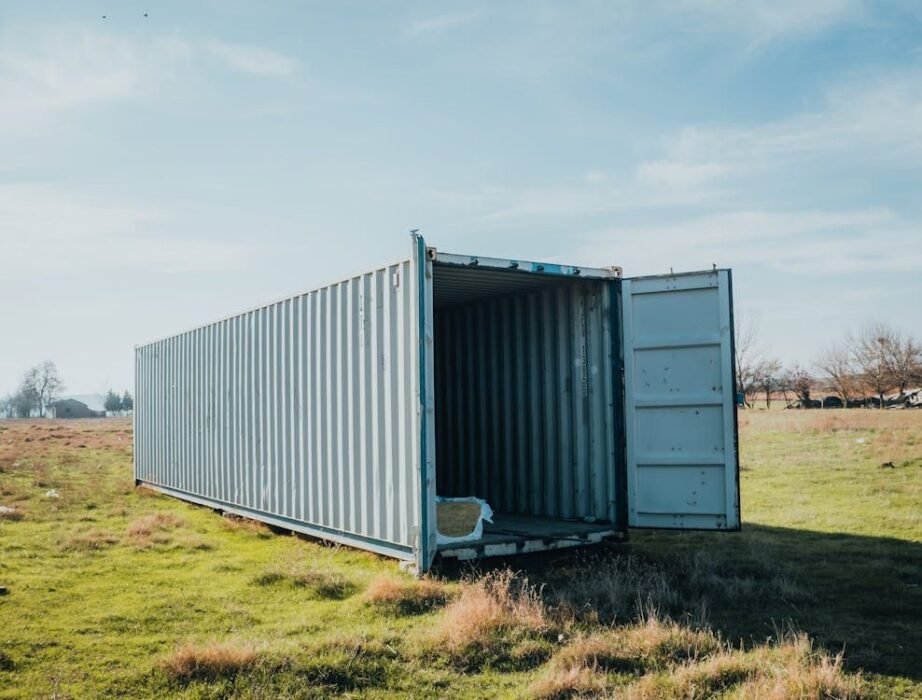
For example, some businesses choose to buy shipping containers as a way to create secure, on-site storage without taking on a long-term lease, since these units are durable, weather-resistant, and can be delivered directly to a property, then moved or repurposed as needs change. That kind of flexibility is hard to match with traditional storage.
This approach works well across different industries, retailers managing overflow stock, construction companies storing equipment, and even small manufacturers handling raw materials. The goal isn’t to replace all existing storage, but to reduce reliance on fixed, expensive space.
When storage becomes flexible, businesses gain more control. They can adjust quickly, avoid overpaying, and respond to growth without locking themselves into decisions that might not fit six months later.
Optimizing Existing Space Before Expanding
Before adding anything new, it makes sense to look at what’s already there. A lot of businesses operate with more usable space than they realize. It’s just not organized well.
Vertical space is often ignored. Shelving systems that go higher can double capacity without increasing footprint. Layout matters too. If inventory is scattered or poorly grouped, it takes up more room than necessary and slows down daily work.
Cleaning out unused or outdated stock can also free up space quickly. It’s easy to hold onto items “just in case,” but over time, they become clutter. That clutter costs space, and space costs money.
Reorganizing doesn’t require a full redesign. Small adjustments, better shelving, clearer labeling, and tighter grouping can make a noticeable difference. And once the space works better, it delays the need for expansion.
That delay matters. It gives businesses time to plan instead of reacting under pressure.
Seasonal and On-Demand Storage Planning
Not all storage needs are constant. Many businesses deal with cycles—busy seasons, slower months, project-based demand. But storage decisions are often made as if those changes don’t exist.
Expanding permanently to handle a temporary increase is rarely efficient. It leads to paying for unused space during slower periods. Instead, storage should match demand patterns.
Planning ahead helps. If a business knows inventory will spike during certain months, it can prepare with temporary solutions instead of scrambling at the last minute. This could mean adding short-term storage units or using flexible options that can be removed when no longer needed.
The benefit is simple. Costs stay aligned with actual usage. Space expands when necessary, then contracts again without long-term commitment.
It’s a more controlled way to handle growth, even if that growth isn’t steady.
Cost vs. Convenience: Finding the Balance
Convenience can be expensive. A large, centrally located warehouse might make operations easier, but it also comes with higher rent and long-term commitments.
The question is whether that convenience is worth the cost. Sometimes it is. Often, it’s not fully necessary.
Businesses can look at hybrid approaches instead. Keep essential inventory close, move less-used items to lower-cost storage. Use on-site solutions for quick access, off-site for overflow. It doesn’t have to be all or nothing.
Tracking how space is actually used can help guide decisions. If certain areas stay empty or underused, that’s a sign the business is paying for more than it needs.
Efficiency matters more than size. The best setup isn’t always the biggest or the most convenient—it’s the one that fits how the business actually operates.
Security and Maintenance Considerations
Storage isn’t just about holding items. It’s also about protecting them.
Theft, weather damage, and general wear can turn stored goods into losses if the space isn’t secure. Traditional warehouses offer protection, but alternative solutions can do the same if chosen carefully.
Durability matters. Materials that resist weather, locks that hold up, structures that don’t require constant repair—these all reduce long-term costs. Maintenance is another factor. The less upkeep required, the less time and money spent managing the space.
A good storage solution doesn’t just store—it preserves. That reduces replacement costs and keeps operations running smoothly.
Long-Term Scalability Without Overcommitment
Growth rarely follows a straight line. Businesses expand, pause, shift direction. Storage needs change with them.
Locking into long-term contracts too early can create problems later. If the business outgrows the space, it has to expand again. If growth slows, it’s stuck paying for more than it needs.
Flexible storage avoids that trap. It allows businesses to scale gradually, adding or reducing capacity as needed.
This approach keeps options open. It reduces risk. And it aligns storage decisions with real growth instead of predicted growth.
Cost-effective storage isn’t about finding the cheapest option. It’s about making decisions that match how a business actually works.
Flexible solutions, better organization, and planning for change all play a role. Together, they create a system that supports growth without creating unnecessary costs.
For small and mid-sized businesses, that balance is important. Storage should help operations move forward, not hold them back. And when it’s managed well, it becomes something that quietly supports the business instead of something that constantly needs fixing.