


Smart Ways to Keep Your Home Cool and Comfortable All Summer
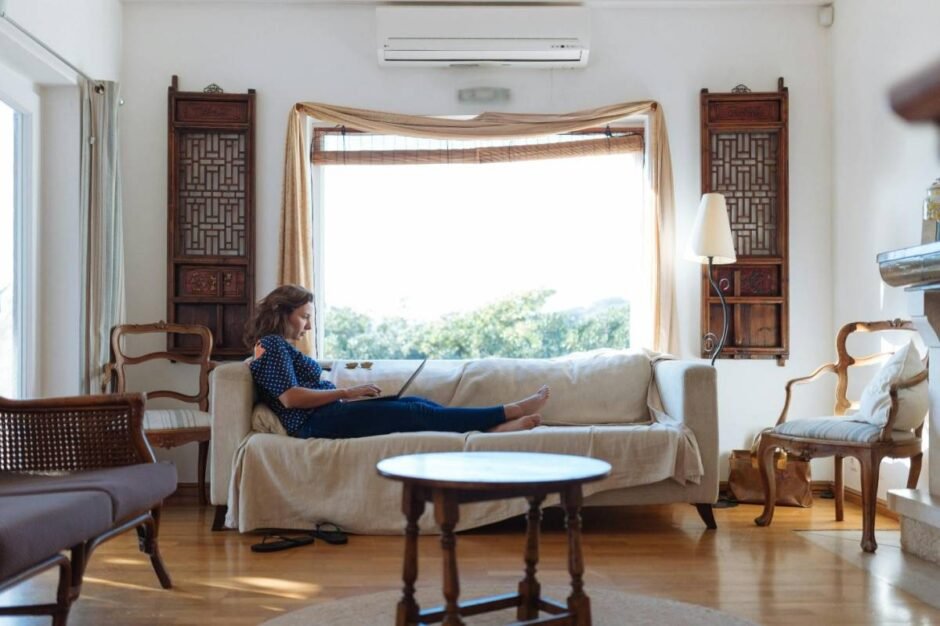
Nothing makes a house feel smaller than a hot second floor at 9 p.m. when everyone is tired, the thermostat keeps clicking, and the air somehow still feels sticky. A lot of people assume their cooling system is failing when summer gets rough, but most of the time, the problem builds slowly from smaller things around the house that stop working together the way they should.
In Cincinnati, summer heat has a way of hanging around longer than people expect, especially during those humid stretches where the air feels heavy even after sunset. Homeowners deal with rooms that cool unevenly, rising electric bills, and systems that suddenly struggle right when the hottest week arrives. It happens every year, honestly. Many households end up relying on constant thermostat changes instead of fixing the little issues that quietly make a home harder to cool in the first place.
Why Small Problems Turn into Big Ones
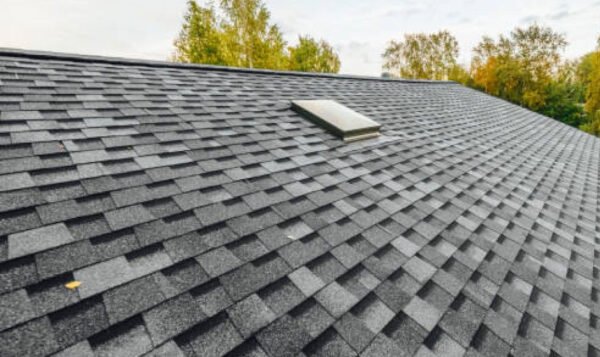
Most cooling problems creep in quietly. A filter gets clogged, vents collect dust, airflow weakens a little, and the system keeps running just well enough that nobody pays attention. Then, certain rooms start feeling warmer for no obvious reason. Older homes do this a lot. Heat settles upstairs, curtains stay open too long, fans barely get used, and people keep adjusting the thermostat instead of fixing the cause. Routine inspections usually catch these things early, before constant summer use pushes the system harder than it can handle. Even attic heat and aging roofing can make indoor temperatures feel worse day after day.
An increasing number of homeowners are opting for regular Cincinnati AC maintenance services today. Not because maintenance magically fixes everything, but because it keeps systems operating closer to normal during the months when they work hardest. Small adjustments to airflow, cleaning internal components, and checking worn parts can prevent the sort of uneven cooling that quietly makes a house miserable by mid-July. When minor troubleshooting or basic cleaning no longer balances out the humidity and temperature from room to room, it may indicate that the core equipment requires a more detailed review. Taking care of hidden component issues helps stabilize the daily airflow so that every living zone receives adequate treatment.
Property owners can benefit from checking the age and baseline calibration of their primary setups to ensure reliable operation when weather conditions peak. Relying on an experienced specialist to evaluate your hvac hardware can help restore optimal settings and protect your household machinery from seasonal wear.
Maintaining a consistent schedule for your cooling equipment is particularly important in regions with high humidity and intense summer sun. When systems are regularly checked, homeowners often find that their indoor spaces stay more comfortable even during the hottest parts of the day. For those who need professional help with their systems, finding a specialist in hvac in Stuart can help ensure that every component is working correctly before the summer heat peaks. These small steps to improve your home’s cooling efficiency contribute to a more balanced indoor environment and can provide greater peace of mind throughout the season.
Airflow Matters More Than Most Thermostats
People love adjusting thermostats. It feels productive. But airflow is usually the bigger issue when comfort drops during summer. A cooling system can only do so much if air cannot move freely through the house. Furniture pushed against vents, dirty intake grilles, or clogged filters all reduce circulation. Even one blocked return vent can affect how evenly rooms cool down. The system keeps running longer, trying to compensate, which means more wear and a higher electric bill at the same time.
Ceiling fans help too, though many people use them backward during summer without realizing it. The blades should rotate counterclockwise so air moves downward and creates that cooling effect on the skin. It sounds minor, but in a warm room, even slight air movement changes how comfortable the space feels.
There is also the issue of duct leaks, which many homeowners never think about because the ducts are hidden. Cool air escapes into attics, crawl spaces, or wall spaces before it ever reaches living areas. The system works harder while the rooms stay warm anyway. It is frustrating because the thermostat may show the right temperature while the house still feels uncomfortable.
Sunlight Changes Everything Inside a House
A room with large windows can heat up surprisingly fast by early afternoon, especially if direct sunlight hits the same side of the home every day. People notice it most in home offices now since more work happens remotely and someone is actually sitting in that warm room for eight straight hours.
Simple changes help more than expensive gadgets sometimes. Keeping blinds closed during peak sunlight hours reduces indoor heat buildup quite a bit. Blackout curtains help in bedrooms where the afternoon heat tends to linger into the evening. Exterior shade matters too. Trees, awnings, or even taller shrubs near windows can lower heat exposure naturally over time.
Some homeowners install smart thermostats hoping for instant savings, and they can help when used correctly. The problem is that many people override the schedules constantly. A thermostat works best when temperatures stay relatively stable instead of swinging wildly throughout the day. Constant adjustments make systems cycle harder and longer. Houses cool more steadily when the temperature changes gradually.
The Kitchen Quietly Makes the Whole House Hotter
People notice this less until summer arrives, but kitchens generate a huge amount of heat. Ovens, stovetops, and dishwashers all raise indoor temperatures, especially during late afternoon when outdoor heat is already at its peak. Cooking earlier in the day helps. Using smaller appliances like air fryers or slow cookers keeps less heat trapped indoors. Even running the dishwasher at night instead of right after dinner can reduce how hard the cooling system has to work.
Laundry creates the same problem. Dryers dump heat into the surrounding space, and if the laundry room ventilation is weak, nearby rooms warm up quickly. During heat waves, many homeowners shift chores into the evening without really thinking about why. The house just feels less strained that way.
Humidity Is Usually the Real Enemy
Dry heat feels uncomfortable. Humid heat feels exhausting. When indoor humidity rises too high, the house starts feeling warmer than the actual temperature on the thermostat. Air feels heavier. Sheets feel damp. People lower the thermostat further, trying to feel relief, but humidity often remains the real issue underneath it all.
Air conditioners naturally remove some moisture while cooling, though oversized systems can actually create problems because they cool rooms too quickly without running long enough to properly dehumidify the air.
This pattern of rapid cycling often prevents the unit from reaching its full dehumidification capacity, leaving the air inside feeling heavy. When the system shuts off prematurely, it fails to pull enough moisture from the home, which often forces people to lower the thermostat even more in search of relief. Over time, these frequent starts and stops put extra strain on the hardware and can lead to higher utility costs. Finding the right balance in your setup ensures the equipment runs long enough to truly condition the air and maintain a more consistent level of comfort throughout the day.
The house reaches the target temperature but still feels clammy.
Bathroom exhaust fans, kitchen ventilation, and even fixing small plumbing leaks can help control indoor moisture levels more than people expect. Basements matter too. Damp lower levels affect the entire house over time because humid air eventually spreads upward.
A Comfortable House Usually Runs Quietly
A good cooling system usually stays unnoticed. It runs in the background without strange noises, uneven rooms, or constant thermostat changes. When a house suddenly sounds louder in summer, something is often starting to slip. Vents whistle, airflow feels weaker, and certain rooms never quite cool down the way they used to.
Most systems give small warnings before bigger problems show up. People rarely want a freezing house anyway. They just want the air to feel steady and comfortable without the system fighting all day long. Small maintenance habits usually make the biggest difference over time.