


Home Improvement by Room: Tailoring Solutions to Your Space
Fayetteville, AR, is a vibrant and eclectic city famous for its lively arts scene, historic architecture, and the University of Arkansas. It fosters a dynamic blend of educational excellence and cultural richness. Nestled in the Ozark Mountains, this city offers a combination of natural beauty and urban convenience, making it a desirable place for residents and visitors. Your home is not just a place to reside; it reflects your personality and style. Whether you’ve recently moved into a new house or have lived in the same space for years, there’s always room for improvement. If you’re a homeowner in Boerne or seeking the expertise of a handyman Fayetteville AR, you know the importance of maintaining and enhancing your living space. This article will guide you through the process of home improvement by room, providing valuable insights and tips to make your living spaces more functional and aesthetically pleasing.
Understanding Your Space
Before diving into specific room improvements, it’s essential to understand the unique characteristics of each area in your home. The layout, size, and purpose of each room can vary significantly. For example, a kitchen requires different considerations than a bedroom or a bathroom. Take some time to assess the current state of each room and identify areas that need attention. This initial step will help you prioritize your home improvement projects effectively.
Kitchen Upgrades
The kitchen is often considered the heart of the home. It’s where meals are prepared, and families gather to eat and bond. If you want to update your outdated or non-functional kitchen, consider utilizing these handyperson services available in Fayetteville, AR. Upgrade your countertops, install new cabinets, and invest in modern appliances to make cooking and meal prep more efficient. Creating an open-concept kitchen can also enhance the overall flow of your home.
Bathroom Revamp
A well-maintained bathroom adds both comfort and value to your home. To revamp your bathroom, focus on fixtures and finishes. Consider replacing old faucets, showerheads, and lighting fixtures with more contemporary options. Installing a new vanity with ample storage can help declutter the space. A luxurious bathtub or a spacious shower can elevate the bathroom’s appeal if you have space.
Bedroom Retreat
Your bedroom should be a sanctuary for relaxation. To tailor this space to your needs, start with the bed. Invest in a good, comfortable mattress and quality linen bedding for a good night’s sleep. Add personal touches like artwork, soft lighting, and soothing colors to create a calming atmosphere. Consider creating a small reading nook or a home office area within your bedroom.
Living Room Transformation
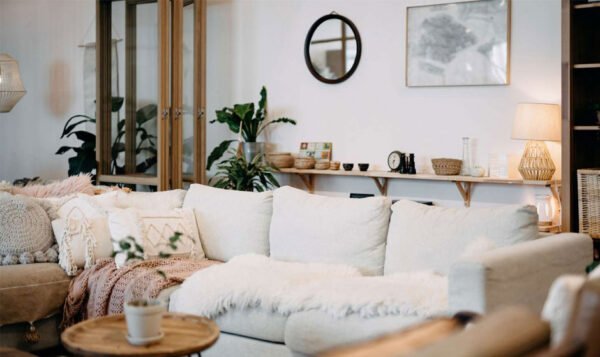
The living room is where you entertain guests and spend quality time with your family. To make this space more inviting, focus on furniture arrangement and decor. Consider rearranging your furniture to make a more functional layout. Add stylish throw pillows, rugs, and curtains to enhance the aesthetics. If your living room lacks adequate storage, consider adding shelves or cabinets to keep it organized.
Outdoor Oasis
Don’t forget about the outdoor areas of your home. A well-maintained outdoor space can significantly increase your home’s curb appeal and provide a relaxing retreat. Add a deck, patio, or pergola for outdoor gatherings and relaxation. Landscaping improvements, such as planting flowers and trees, can also add beauty to your surroundings.
Conclusion
In conclusion, improving your home by room is a rewarding endeavor that allows you to tailor each space to your unique needs and preferences. Start by assessing your rooms and understanding their unique characteristics, and then consider specific kitchen, bathroom, bedroom, and living room upgrades. Don’t overlook the potential of your outdoor space, as it can also be transformed into an oasis of relaxation.
Remember that the services of a handyman in Fayetteville, AR, can provide valuable assistance in executing your home improvement projects. Whether you’re looking to enhance the functionality, aesthetics, or both, these professionals have the expertise to bring your vision to life. With good planning and attention to detail, you can transform your house into a comfortable and personalized home.

![How to Make Your Home Office Comfortable in Any Season [Image Source] Working from home has become the new normal for many people. Whether it’s full-time or just a few days each week, a lot of us have turned spare bedrooms, garages, or corners of the living room into offices. While setting up a work-from-home space is easy in theory, making it a place you actually want to spend time in takes a little more thought. Comfort goes beyond a desk and a chair. It’s about lighting, temperature, air quality, and the overall feel of the space. When the room is too hot in the summer or freezing in the winter, it’s hard to stay focused. The wrong setup can leave you distracted, tired, and less productive. In this article, you’ll learn how to create a home office that feels comfortable no matter the season. These tips don’t require a complete renovation or a huge budget. They’re practical changes you can make now to upgrade your space and feel better throughout your workday. Choose the Right Heating and Cooling Setup Temperature plays a big role in how comfortable your office feels. If you’ve ever worked in a room that doesn’t stay warm in the winter or cool in the summer, you know how distracting that can be. A small change in temperature can affect your mood, focus, and even how your body feels after sitting for hours. Some home offices are in places that weren’t originally meant for year-round use—like finished basements, sunrooms, or attic spaces. These rooms often don’t get enough airflow from your home’s main heating and cooling system. That leads to hot spots in summer and cold zones in winter, which can make working from home feel like a chore. One way to handle this is by installing ductless mini-split systems. These allow you to control the climate in just one room without relying on your main HVAC system. They’re energy-efficient, easy to install in finished or unfinished spaces, and perfect for areas where running new ductwork isn't ideal. With a mini-split system, you can heat or cool your office independently from the rest of the house. That means you won’t waste energy adjusting the entire home just to stay comfortable during work hours. If you like your office cooler than the rest of the house—or if you’re using a room that’s always too hot—this gives you full control. These systems are also quiet, which helps if you're on video calls or need to concentrate without background noise. Instead of noisy window units or floor heaters, you get clean, steady temperature control without the hum or rattle. When your office stays at the right temperature all day, you’re more likely to stay focused, feel better, and get more done. Maximize Natural Light and Supplement Wisely Natural light can help you feel more alert and focused throughout the day. If possible, place your desk near a window. Morning sunlight boosts mood and energy, and exposure to natural light during the day can support better sleep at night. That said, natural light isn't always available—cloudy days, early mornings, or late evenings can make your office feel dim. Supplement with good-quality LED lighting. A desk lamp with adjustable brightness can help reduce eye strain. You can also add soft overhead lights for a balanced look that isn’t too harsh. Layering your lighting makes the space feel more comfortable. Combine ambient lighting with focused task lighting to create the right balance between visibility and relaxation. Use Smart Window Coverings Your windows play a big part in how well your office stays warm in the winter and cool in the summer. The right window coverings help block out heat during hot months and hold in warmth during colder ones. Blackout curtains or thermal blinds are a great choice for year-round comfort. In summer, they help keep the room from overheating during the day. In winter, they act as an extra barrier between your office and the cold air outside. Light-filtering shades are another option if you want to keep things bright while still reducing glare and heat. These coverings help manage indoor temperature without making the room feel closed off or dark. Add Functional Comfort Items Comfort doesn’t stop at temperature. The furniture and accessories you choose also affect how your body feels after hours at your desk. Start with your chair. It should support your back, allow your feet to rest flat on the floor, and adjust to your height. You don’t need a luxury brand—just something that helps you sit comfortably for long periods. A footrest can also help you relax your legs and improve posture. Placing a soft rug under your desk adds warmth and padding, which helps in both cold and hot seasons. Think about wrist support, desk height, and screen position. Small accessories like a keyboard tray or monitor stand can help reduce strain on your neck and shoulders. The goal is to stay comfortable without feeling stiff or sore by the end of the day. Improve Air Quality and Humidity Control Air quality plays a huge role in comfort and health. If your home office feels stuffy or stale, you might need to improve air circulation. A small air purifier can help reduce dust, pet dander, or allergens, especially useful in closed-off spaces. In winter, the air tends to get dry, which can cause dry skin, throat irritation, or even static shocks. A humidifier adds moisture to the air and helps you breathe better. In summer, excess humidity can make the room feel sticky and uncomfortable. In that case, a dehumidifier helps keep things in balance. Clean air and proper humidity levels support better focus and overall well-being, which makes your workday more productive. Keep Distractions Low with Sound Control Noise distractions can break your concentration fast. If your home office is near a busy street, a loud TV, or shared walls, you might need to block out sound. Start by adding soft materials like rugs, curtains, or fabric wall panels. These help absorb sound and reduce echo. You can also use a white noise machine or a fan to mask background noise during meetings or focus sessions. For windows and doors, add draft blockers or weather stripping to limit sound coming from outside. If you use video calls often, having a quiet space helps you speak and hear more clearly. A comfortable home office helps you work better through every season. With the right setup, you can stay focused and feel good during long hours at your desk. From smart heating and cooling to better lighting and air, small changes go a long way. Create a space that supports your goals—one that works for you all year.](https://lucykingdom.com/wp-content/uploads/2025/05/How-to-Make-Your-Home-Office-Comfortable-in-Any-Season-600x357.jpg)
