

The Best Cabinet Door Styles for Small Kitchens
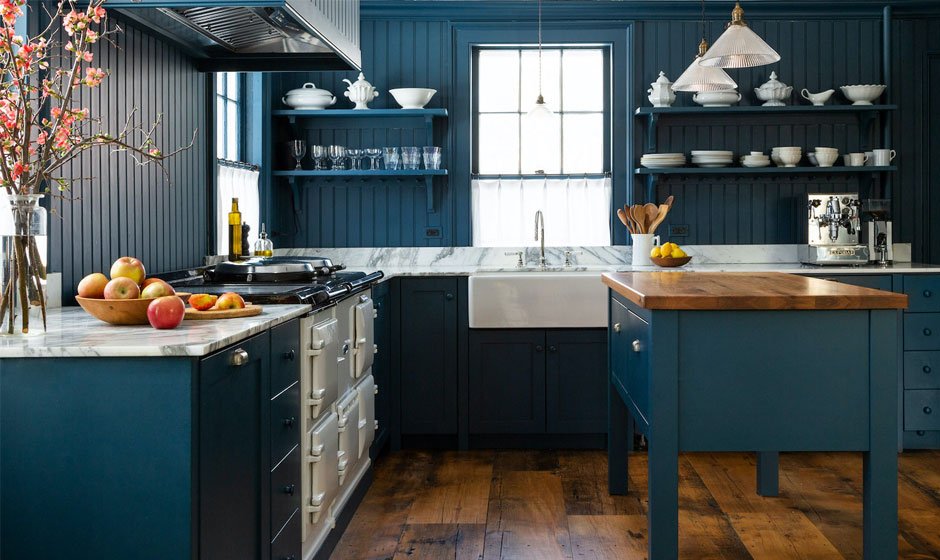
Choosing the right cabinet door style can make a significant difference in the functionality and aesthetics of a small kitchen. With limited space, every design choice matters.
From recessed panel doors to shaker cabinet doors, here are some of the best cabinet door styles for small kitchens. These styles maximize space and enhance the functionality of small kitchens.
Recessed Panel Cabinet Doors
Recessed panel cabinet doors are popular for small kitchens due to their sleek and discreet design. These doors feature a central panel that is set back from the frame, creating a subtle depth. This versatile style can fit into traditional and modern kitchen designs.
Space Maximization: The simple design of recessed panel doors helps in creating an illusion of more space. Their flat surface does not protrude into the kitchen, making the area feel larger and more open.
Clean Lines: The minimalist appearance of recessed panel doors offers a clean and uncluttered look, which is ideal for small kitchens. This style helps maintain a tidy and organized appearance.
Versatility: Recessed panel doors can be painted or stained to match any kitchen color scheme. This flexibility allows for easy customization according to individual preferences.
Raised Panel Cabinet Doors
Raised panel cabinet doors feature a central panel that is slightly elevated from the surrounding frame. This style adds a touch of elegance and can be found in many traditional kitchen designs. While they may seem ornate, raised panel doors can also be adapted for small kitchens.
Visual Interest: The detailed design of raised panel doors adds depth and visual interest to the kitchen. This can help break the monotony and add character to small spaces.
Customizable: These doors come in various designs and finishes, allowing for customization to suit different tastes and styles. Whether painted or stained, raised panel doors can complement various kitchen themes.
Timeless Appeal: Raised panel doors have a classic look that never goes out of style. This timeless appeal ensures that the kitchen remains stylish and relevant for years.
Shaker Cabinet Doors
Shaker cabinet doors are one of the most popular choices for small kitchens. Known for their simplicity and functionality, these doors feature a flat center panel with square edges. The straightforward design makes them a versatile option for any kitchen style.
Simplicity: The clean and straightforward design of Shaker doors makes them perfect for small kitchens. Their simplicity helps in creating a spacious and airy feel, which is crucial in limited spaces.
Durability: Shaker doors are known for their sturdy construction. Made from solid wood or high-quality materials, they are durable and can withstand the wear and tear of daily kitchen use.
Versatile Design: Shaker doors can be easily integrated into various kitchen styles, from traditional to modern. Their neutral design makes them a safe choice for those who want flexibility in their kitchen décor.
Slab Cabinet Doors
Slab cabinet doors, also known as flat-panel doors, are characterized by their smooth, flat surface with no frames or panels. This contemporary style is ideal for small kitchens aiming for a sleek and modern look.
Modern Aesthetic: The minimalist design of slab doors offers a clean and contemporary aesthetic. This style creates a streamlined and uncluttered look in small kitchens.
Easy Maintenance: The flat surface of slab doors makes them easy to clean and maintain. Without intricate details or crevices, they are less likely to collect dust and grime, making upkeep a breeze.
Space Efficiency: Slab doors create a seamless look that can make the kitchen appear larger. Their simple design does not overwhelm the space, contributing to a more open and spacious feel.
Maximizing Space and Functionality
In addition to choosing the right cabinet door style, consider these tips to maximize space and functionality in a small kitchen:
Utilize Vertical Space: Install cabinets that reach up to the ceiling to maximize storage space. Use the upper cabinets for items that are not frequently used.
Opt for Light Colors: Light-colored cabinets can make a small kitchen feel larger and more open. Whites, creams, and pastels reflect light and create an airy atmosphere.
Incorporate Open Shelving: Open shelves can reduce visual clutter and make the kitchen feel more spacious. Displaying attractive dishes and cookware can also add a decorative element.
Choose Multi-functional Furniture: Opt for furniture and fixtures that serve multiple purposes. For example, a kitchen island with built-in storage can provide extra counter space and storage.
Selecting the best cabinet door style for a small kitchen involves balancing aesthetics and functionality. Each cabinet door style offers unique benefits that can enhance the look and efficiency of a small kitchen. By considering the overall kitchen design and implementing space-saving strategies, it is possible to create a beautiful and functional kitchen that maximizes every inch of available space.

![How to Make Your Home Office Comfortable in Any Season [Image Source] Working from home has become the new normal for many people. Whether it’s full-time or just a few days each week, a lot of us have turned spare bedrooms, garages, or corners of the living room into offices. While setting up a work-from-home space is easy in theory, making it a place you actually want to spend time in takes a little more thought. Comfort goes beyond a desk and a chair. It’s about lighting, temperature, air quality, and the overall feel of the space. When the room is too hot in the summer or freezing in the winter, it’s hard to stay focused. The wrong setup can leave you distracted, tired, and less productive. In this article, you’ll learn how to create a home office that feels comfortable no matter the season. These tips don’t require a complete renovation or a huge budget. They’re practical changes you can make now to upgrade your space and feel better throughout your workday. Choose the Right Heating and Cooling Setup Temperature plays a big role in how comfortable your office feels. If you’ve ever worked in a room that doesn’t stay warm in the winter or cool in the summer, you know how distracting that can be. A small change in temperature can affect your mood, focus, and even how your body feels after sitting for hours. Some home offices are in places that weren’t originally meant for year-round use—like finished basements, sunrooms, or attic spaces. These rooms often don’t get enough airflow from your home’s main heating and cooling system. That leads to hot spots in summer and cold zones in winter, which can make working from home feel like a chore. One way to handle this is by installing ductless mini-split systems. These allow you to control the climate in just one room without relying on your main HVAC system. They’re energy-efficient, easy to install in finished or unfinished spaces, and perfect for areas where running new ductwork isn't ideal. With a mini-split system, you can heat or cool your office independently from the rest of the house. That means you won’t waste energy adjusting the entire home just to stay comfortable during work hours. If you like your office cooler than the rest of the house—or if you’re using a room that’s always too hot—this gives you full control. These systems are also quiet, which helps if you're on video calls or need to concentrate without background noise. Instead of noisy window units or floor heaters, you get clean, steady temperature control without the hum or rattle. When your office stays at the right temperature all day, you’re more likely to stay focused, feel better, and get more done. Maximize Natural Light and Supplement Wisely Natural light can help you feel more alert and focused throughout the day. If possible, place your desk near a window. Morning sunlight boosts mood and energy, and exposure to natural light during the day can support better sleep at night. That said, natural light isn't always available—cloudy days, early mornings, or late evenings can make your office feel dim. Supplement with good-quality LED lighting. A desk lamp with adjustable brightness can help reduce eye strain. You can also add soft overhead lights for a balanced look that isn’t too harsh. Layering your lighting makes the space feel more comfortable. Combine ambient lighting with focused task lighting to create the right balance between visibility and relaxation. Use Smart Window Coverings Your windows play a big part in how well your office stays warm in the winter and cool in the summer. The right window coverings help block out heat during hot months and hold in warmth during colder ones. Blackout curtains or thermal blinds are a great choice for year-round comfort. In summer, they help keep the room from overheating during the day. In winter, they act as an extra barrier between your office and the cold air outside. Light-filtering shades are another option if you want to keep things bright while still reducing glare and heat. These coverings help manage indoor temperature without making the room feel closed off or dark. Add Functional Comfort Items Comfort doesn’t stop at temperature. The furniture and accessories you choose also affect how your body feels after hours at your desk. Start with your chair. It should support your back, allow your feet to rest flat on the floor, and adjust to your height. You don’t need a luxury brand—just something that helps you sit comfortably for long periods. A footrest can also help you relax your legs and improve posture. Placing a soft rug under your desk adds warmth and padding, which helps in both cold and hot seasons. Think about wrist support, desk height, and screen position. Small accessories like a keyboard tray or monitor stand can help reduce strain on your neck and shoulders. The goal is to stay comfortable without feeling stiff or sore by the end of the day. Improve Air Quality and Humidity Control Air quality plays a huge role in comfort and health. If your home office feels stuffy or stale, you might need to improve air circulation. A small air purifier can help reduce dust, pet dander, or allergens, especially useful in closed-off spaces. In winter, the air tends to get dry, which can cause dry skin, throat irritation, or even static shocks. A humidifier adds moisture to the air and helps you breathe better. In summer, excess humidity can make the room feel sticky and uncomfortable. In that case, a dehumidifier helps keep things in balance. Clean air and proper humidity levels support better focus and overall well-being, which makes your workday more productive. Keep Distractions Low with Sound Control Noise distractions can break your concentration fast. If your home office is near a busy street, a loud TV, or shared walls, you might need to block out sound. Start by adding soft materials like rugs, curtains, or fabric wall panels. These help absorb sound and reduce echo. You can also use a white noise machine or a fan to mask background noise during meetings or focus sessions. For windows and doors, add draft blockers or weather stripping to limit sound coming from outside. If you use video calls often, having a quiet space helps you speak and hear more clearly. A comfortable home office helps you work better through every season. With the right setup, you can stay focused and feel good during long hours at your desk. From smart heating and cooling to better lighting and air, small changes go a long way. Create a space that supports your goals—one that works for you all year.](https://lucykingdom.com/wp-content/uploads/2025/05/How-to-Make-Your-Home-Office-Comfortable-in-Any-Season-600x357.jpg)