


Enhance Your Home’s Comfort and Efficiency with Modern Window Upgrades
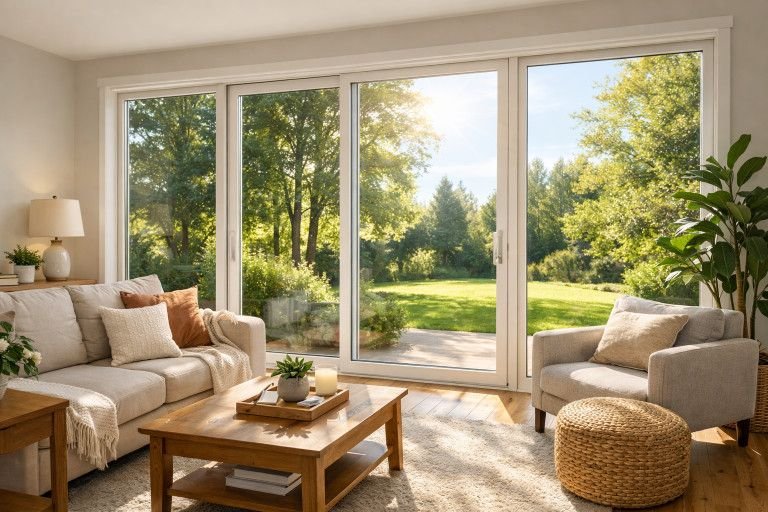
Upgrading your windows can transform your living space by making it more comfortable and energy efficient. Many homeowners find that installing replacement windows not only eliminates drafts but also supports consistent indoor temperatures year-round, reducing reliance on heating and cooling systems.
New window technologies address issues such as excessive energy consumption, unwanted noise, and variable indoor climates. By selecting the right products and ensuring proper installation, you can enjoy noticeable improvements in both your utility bills and daily comfort.
The Impact of Old Windows on Energy Efficiency
Older windows are a primary source of energy inefficiency in many homes. Studies from the U.S. Department of Energy reveal that windows are responsible for up to 30 percent of a residence’s heating and cooling energy use. These inefficiencies become apparent as higher monthly energy bills and expanded carbon footprints, especially in homes with single-pane, wood, or aluminum-framed windows that tend to leak air and moisture.
This persistent energy waste usually means your furnace or air conditioner must work harder, wearing out systems faster and driving up routine maintenance costs.
Benefits of Modern Window Technologies
Thanks to advancements in design and materials, today’s windows offer substantial upgrades for homeowners seeking energy savings and improved comfort. Modern options utilize several key technologies to address the problems of their older counterparts:
- Low-Emissivity (Low-E) Coatings: These intelligent coatings reflect heat into or out of your home as the seasons demand. They improve the glass’s insulating ability without reducing visible light.
- Double or Triple Glazing: Multiple panes separated by inert gas fills slow down heat transfer, keeping spaces warmer in winter and cooler in summer.
- Insulated Frames: Frame materials such as vinyl and fiberglass offer better insulation than wood or traditional aluminum, further reducing energy leakage.
The implementation of these features goes beyond energy savings. Many homeowners note quieter interiors, more consistent temperatures throughout the house, and less condensation on window surfaces. For more general guidance on energy efficiency improvements, visit the U.S. Department of Energy’s Energy Saver guide.
Proper Installation: A Key Factor
No matter how advanced the technology, windows must be properly installed to deliver optimal performance. Poorly fitted windows can allow drafts and moisture to infiltrate your home, limiting the insulating benefits of even the best materials and voiding manufacturer warranties. Entrusting installation to certified professionals ensures that flashing, seals, and frames function as designed, protecting your investment for years to come.
Cost Considerations and Energy Savings
While upfront window replacement costs can range from several hundred to several thousand dollars per window, the eventual benefits often outweigh the initial expenditure. Homeowners who invest in new windows typically report monthly energy bill reductions of $25 to $50 on average. Over time, these savings add up, and when paired with potential energy efficiency tax incentives, the net investment may be more manageable than you expect.
Additional Measures to Enhance Efficiency
In addition to window upgrades, there are practical steps you can take to further optimize your home’s energy use:
- Weatherstripping: Adding or updating weatherstripping prevents drafts and keeps conditioned air inside.
- Window Treatments: Applying curtains, shades, or blinds helps block direct sun in the summer and adds extra insulation in the winter.
- Routine Maintenance: Regularly inspecting windows, sealing cracks, and lubricating hardware maintains a tight seal and extends window lifespan.
Environmental Impact and Home Value
It’s also important to recognize the environmental advantages and market value boosts that come with upgrading windows. When you improve your home’s energy efficiency, you contribute to reducing greenhouse gas emissions by lowering overall energy consumption. Many appraisers and real estate professionals acknowledge that homes with modern, energy-efficient windows tend to command higher resale values and attract environmentally conscious buyers. This is because prospective homeowners increasingly prioritize energy savings and comfort when shopping for a new property, knowing that lower operating costs and enhanced comfort await them.
In some communities, green certifications or energy efficiency ratings, such as ENERGY STAR, can further set your home apart in a competitive market. These certifications are often highlighted in real estate listings, making your investment in window replacement an advantage not only for your day-to-day living but also when you decide to sell your home in the future. The boost in curb appeal from attractive, well-maintained windows further enhances overall property value and creates a welcoming first impression.
Window Styles and Smart Features
Besides the core energy efficiency benefits, modern window options come in an array of styles and functionalities, allowing homeowners to customize their upgrade to fit unique aesthetic or operational preferences. For example, casement windows provide an airtight seal when closed, while double-hung windows allow for easy ventilation when needed. Many manufacturers now offer smart window features, such as tinting glass that adjusts to sunlight or windows with built-in security sensors, adding convenience and peace of mind alongside greater energy efficiency.
Choosing the right style can positively impact ventilation, natural light flow, and even the way furniture is arranged in a room. Consulting with a professional can help match your home’s architectural style with the best window choices, maximizing both efficiency and beauty.
Planning Your Window Replacement Project
If you are considering replacing your windows, it’s wise to plan your project with several factors in mind. Evaluate the orientation of your house, local climate conditions, and your existing HVAC system to fully maximize energy savings. Ask your window experts about warranties and ongoing support for their products. Don’t forget to research available rebates or incentives for energy-efficient home upgrades in your region, which can help offset initial costs even further. Finally, seek recommendations and read reviews of local installation professionals to ensure that your upgrade is handled by experienced, reliable experts.
Conclusion
Modern, energy-efficient windows represent a smart investment for homeowners looking to improve comfort, lower energy bills, and minimize environmental impact. By understanding the range of available features and prioritizing expert installation, you ensure that your home’s new windows provide long-lasting value and performance.